Blog
 Diego FernándezBearish
What Drives Inflation in Nigeria and How Does It Affect the Naira?
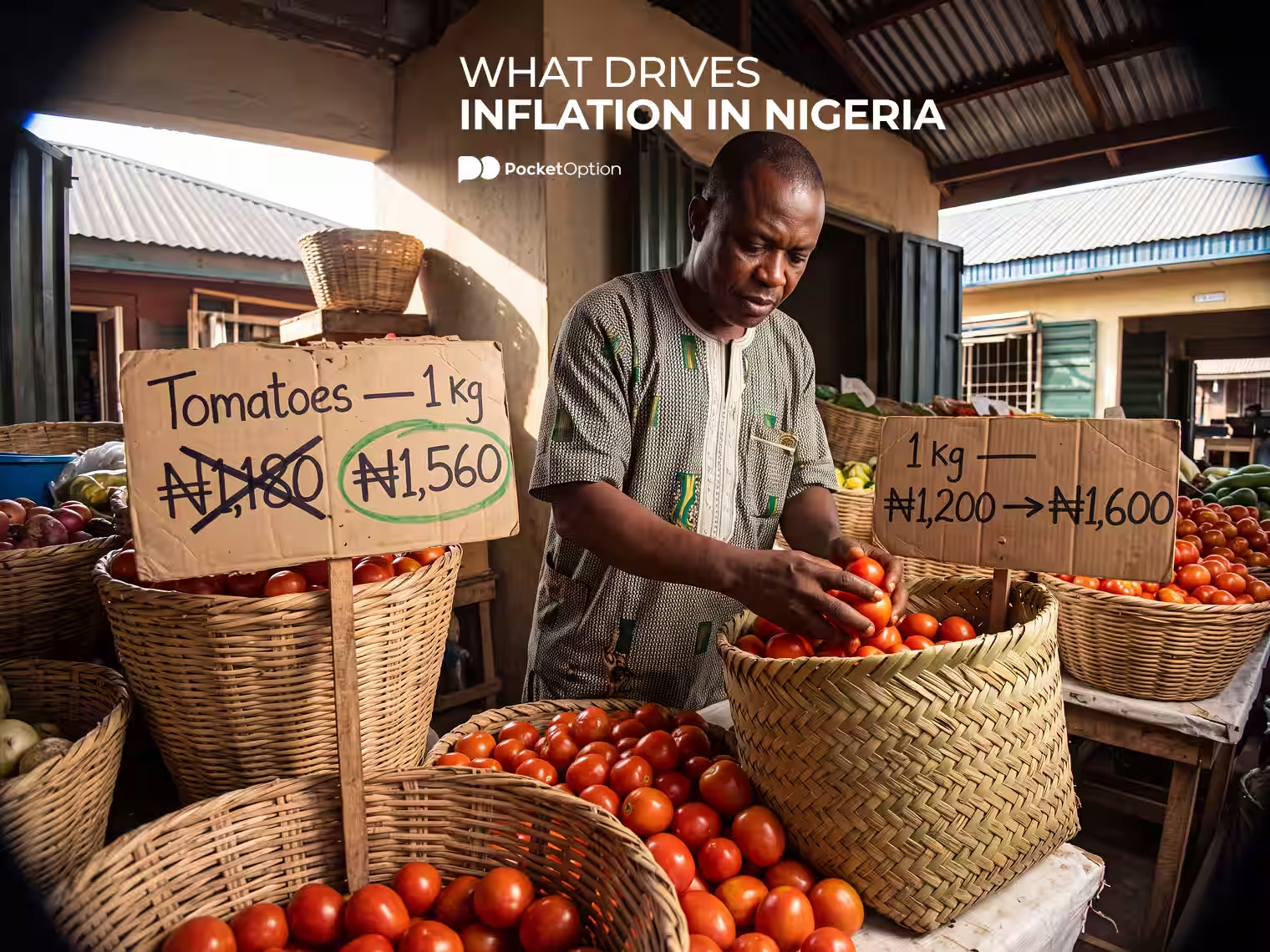
NBS reported headline inflation nigeria at 15.43% for July 2026, with food inflation at 20.31% and core inflation at 14.97%. This guide covers what the latest numbers mean, what drives prices, how inflation connects to the Naira, and the CBN's response.
 Albert RobertsonBearish
What Is a Pullback and How Do Traders Use Pullbacks in Trends?
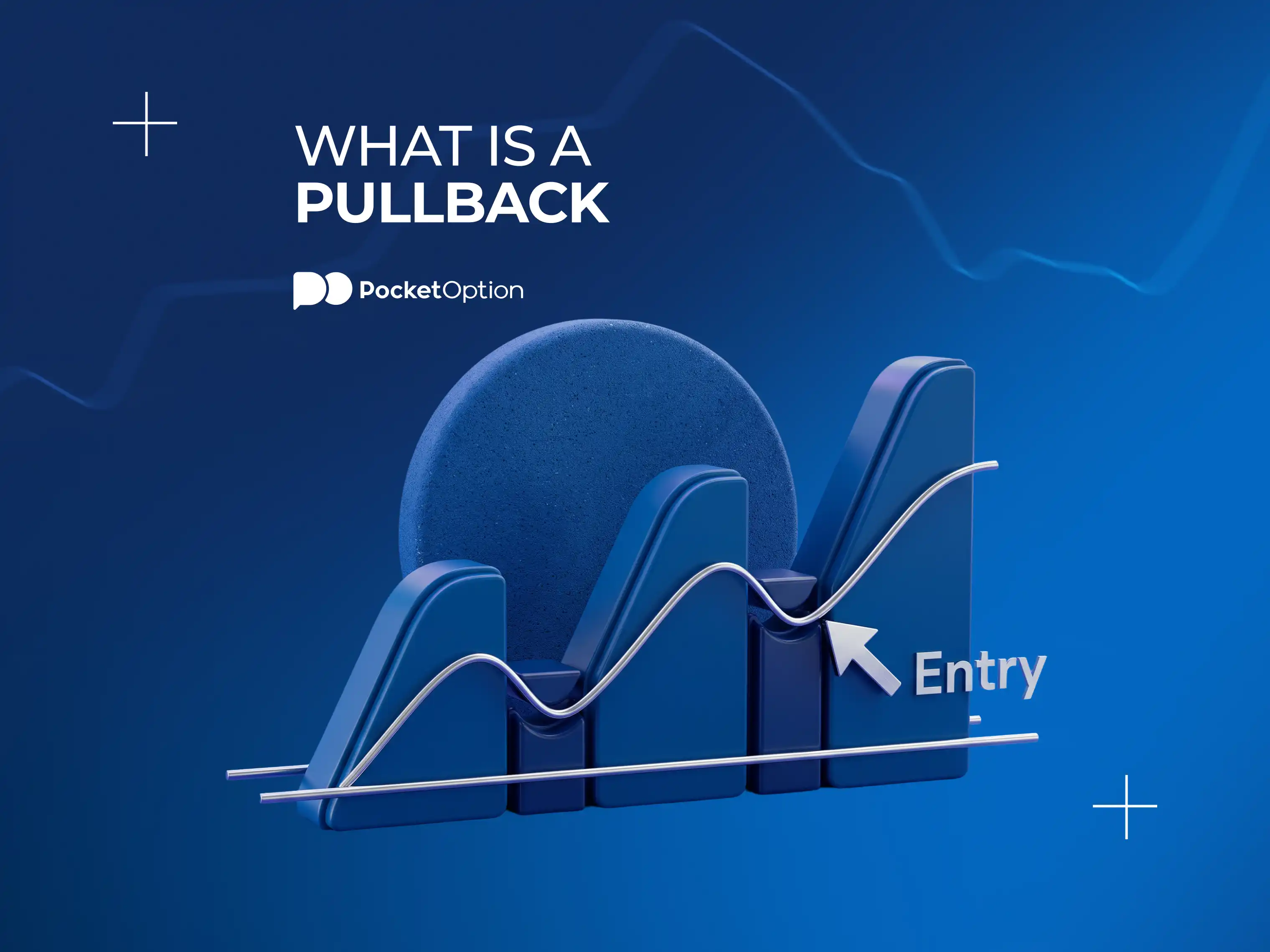
A pullback is a temporary price move against the prevailing trend. The retracement meaning is closely related: both describe a counter-trend move that does not break the overall direction. This entry focuses on how traders use pullbacks as entry points to join a trend at a better price.
 Albert RobertsonBearish
What Are Basis Points and How Do They Measure Small Rate Changes?
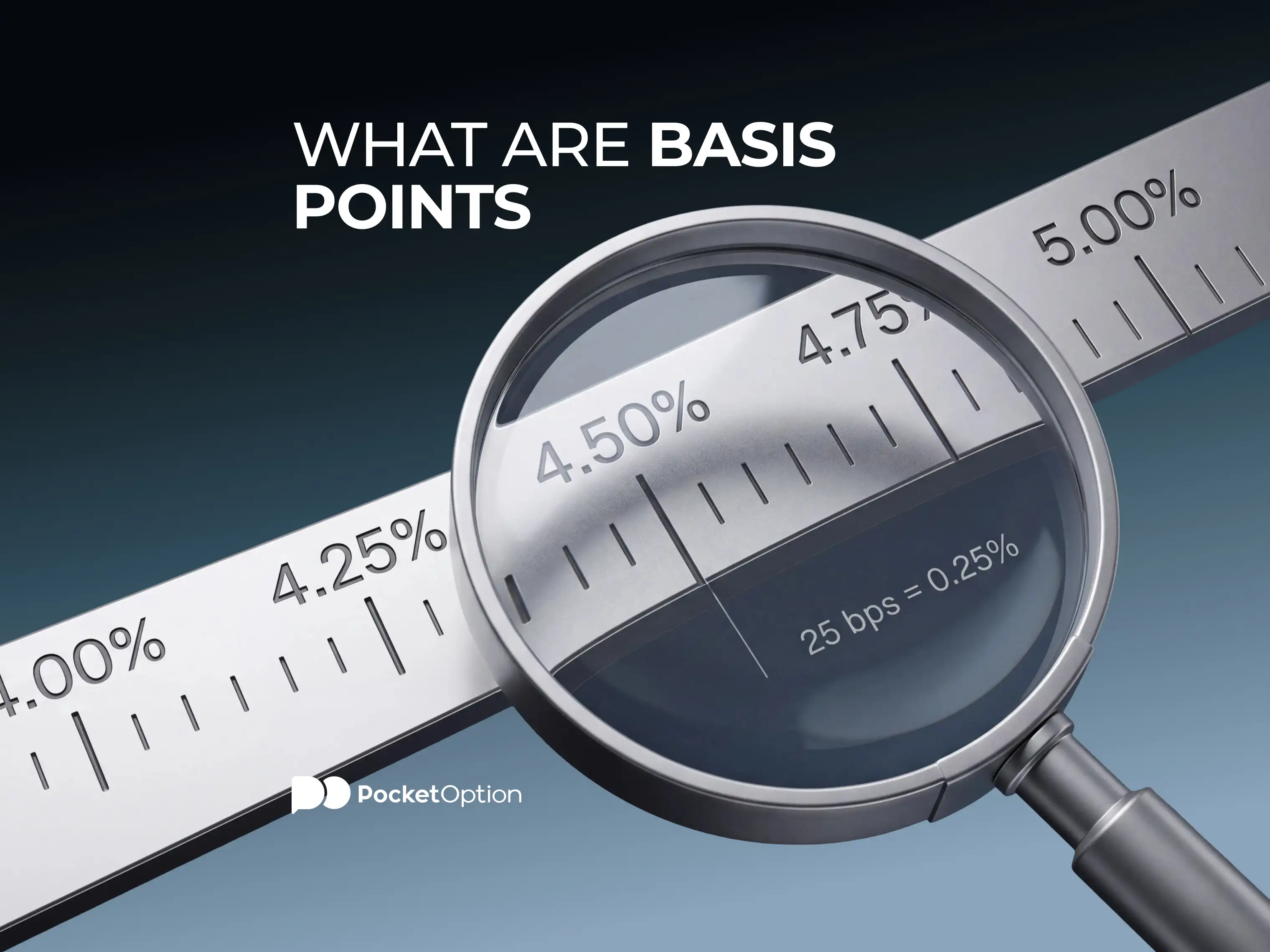
When a central bank raises rates by 25 basis points, the move is 0.25 percentage points. The unit exists because describing small rate changes in plain percentages creates confusion. This entry explains what is a basis point, why the unit is used, and how to convert between basis points and percentages.
 Albert RobertsonBearish
What Is a Grey Market and How Does Trading Outside Official Exchanges Work?
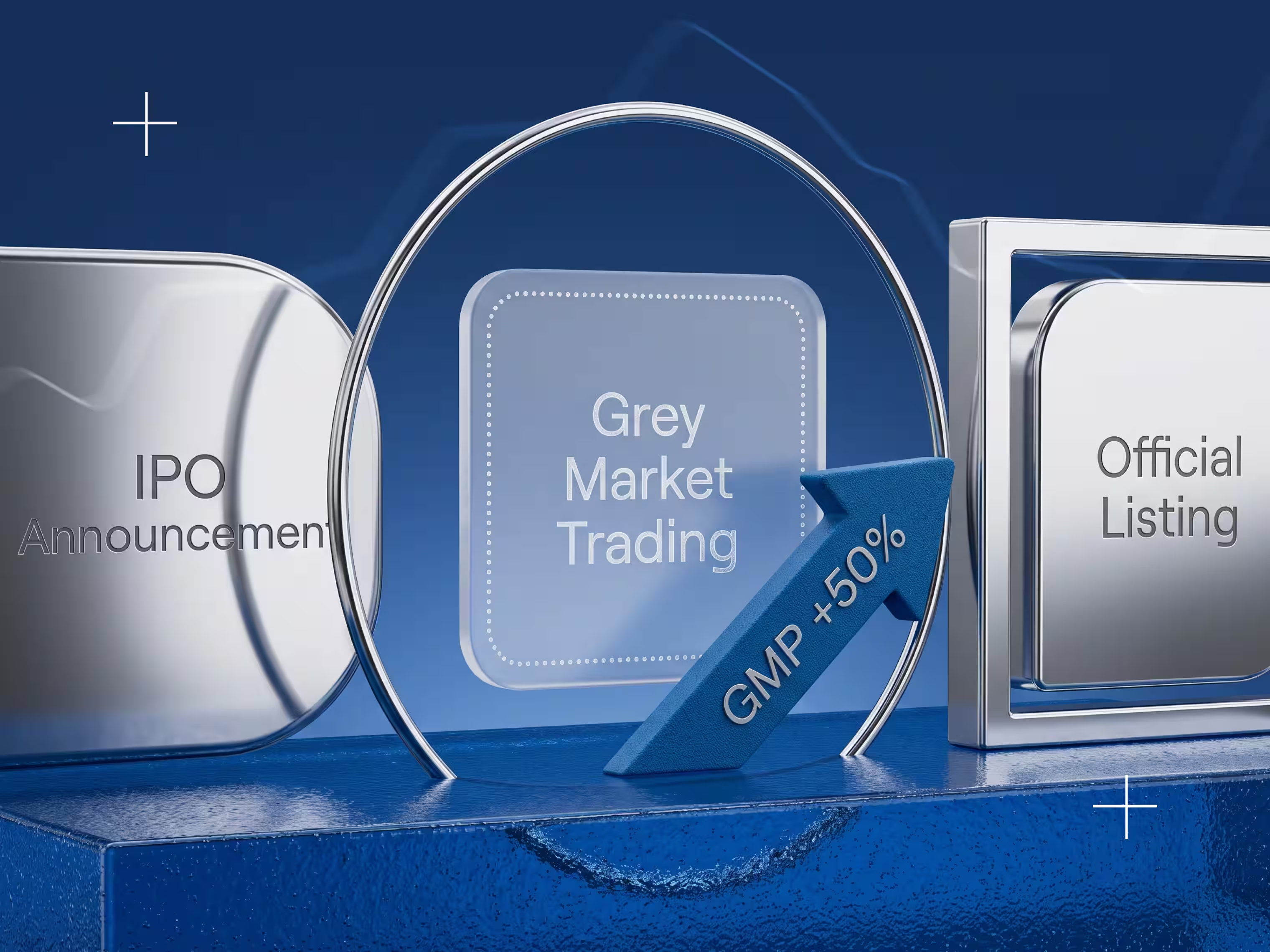
Before a company's shares begin trading on an official exchange, a parallel market sometimes forms where IPO allocations and applications change hands informally. This is the grey market. Understanding what is the grey market, how grey market ipo activity works, and why it carries significant risk is essential for anyone following IPO-related price action.
 Albert RobertsonBearish
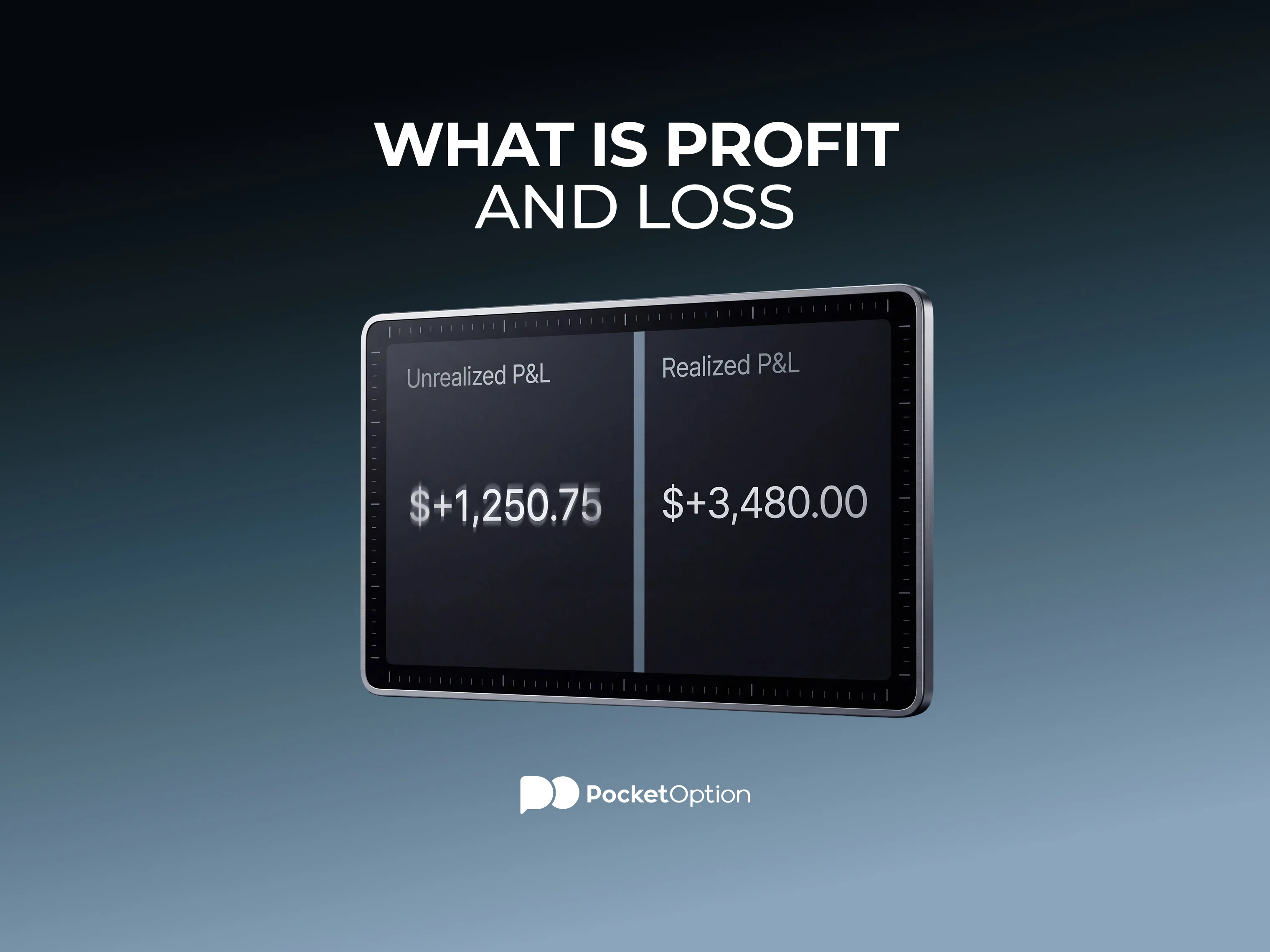
What Is Profit and Loss and How Do Traders Track P&L?
Every open position generates a number that changes with every tick: the profit and loss figure. Understanding what P&L means, how it is calculated, and the critical difference between realized and unrealized P&L is essential for managing any trading account.
 Albert RobertsonBearish
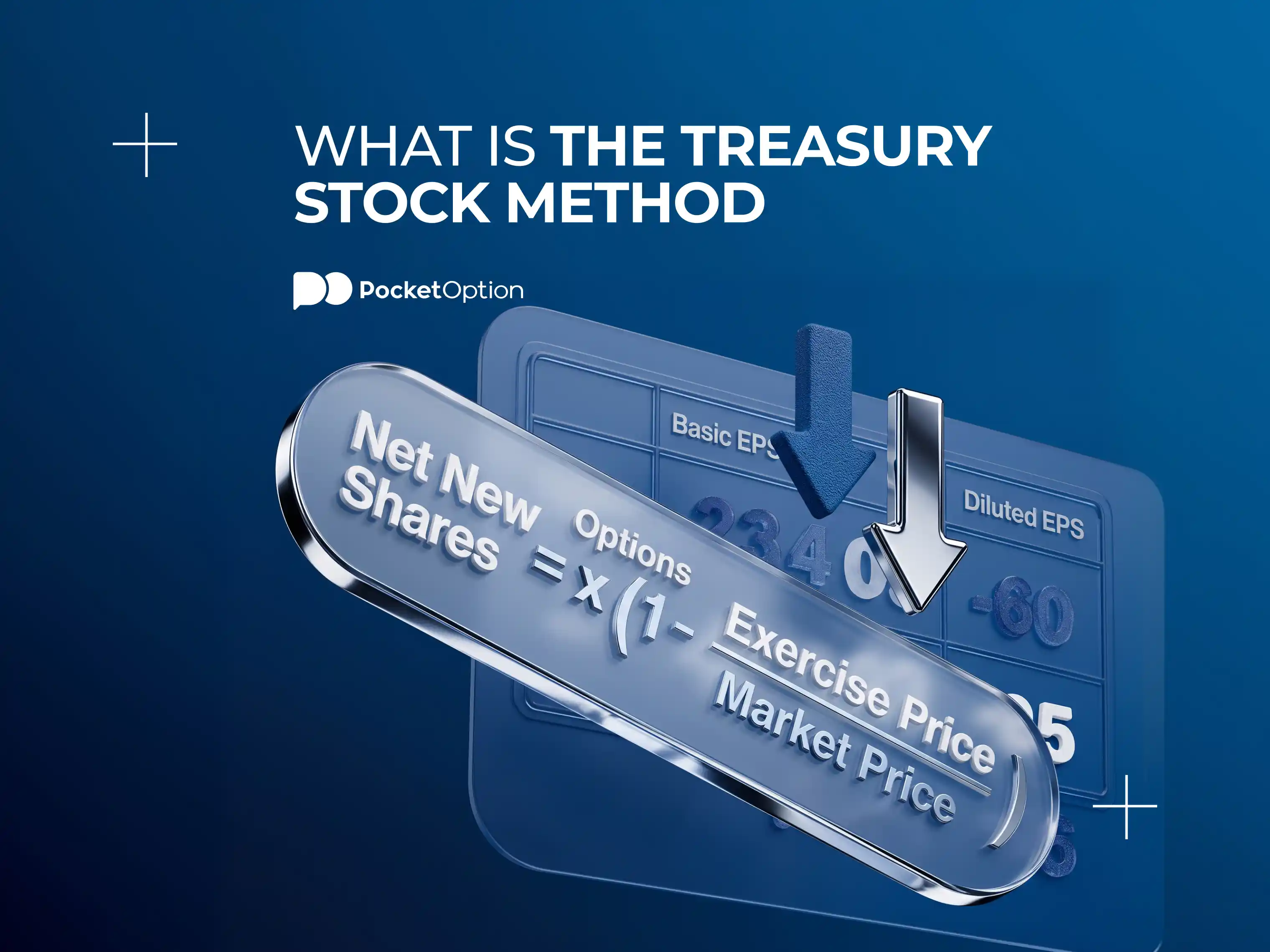
What Is the Treasury Stock Method and How Does It Affect Diluted EPS?
When a company reports earnings per share, two numbers are given: basic EPS and diluted EPS. The treasury stock method is the standard technique used to calculate the dilutive effect of in-the-money stock options and warrants on diluted EPS. This entry explains the logic, the treasury stock method formula, and walks through a worked example.
 Albert RobertsonBearish
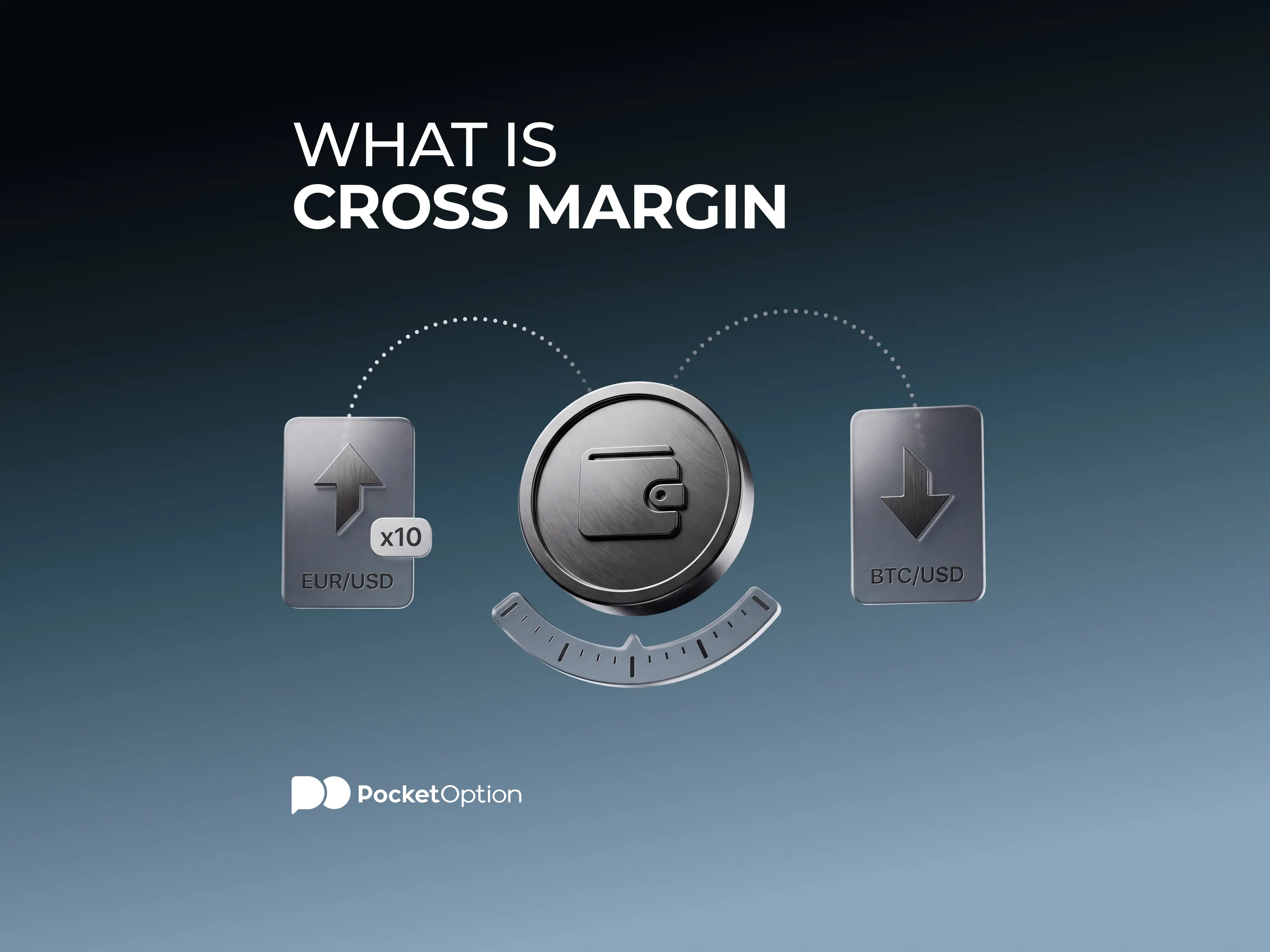
What Is Cross Margin and How Does It Work in Leveraged Trading?
Cross margin is a setting that pools the collateral behind every open position into one shared balance. Instead of each trade standing on its own funds, the whole account absorbs gains and losses together. That pooling can rescue a losing position, but it can also let one bad trade draw down funds meant for the rest of the account.
 Albert RobertsonBearish
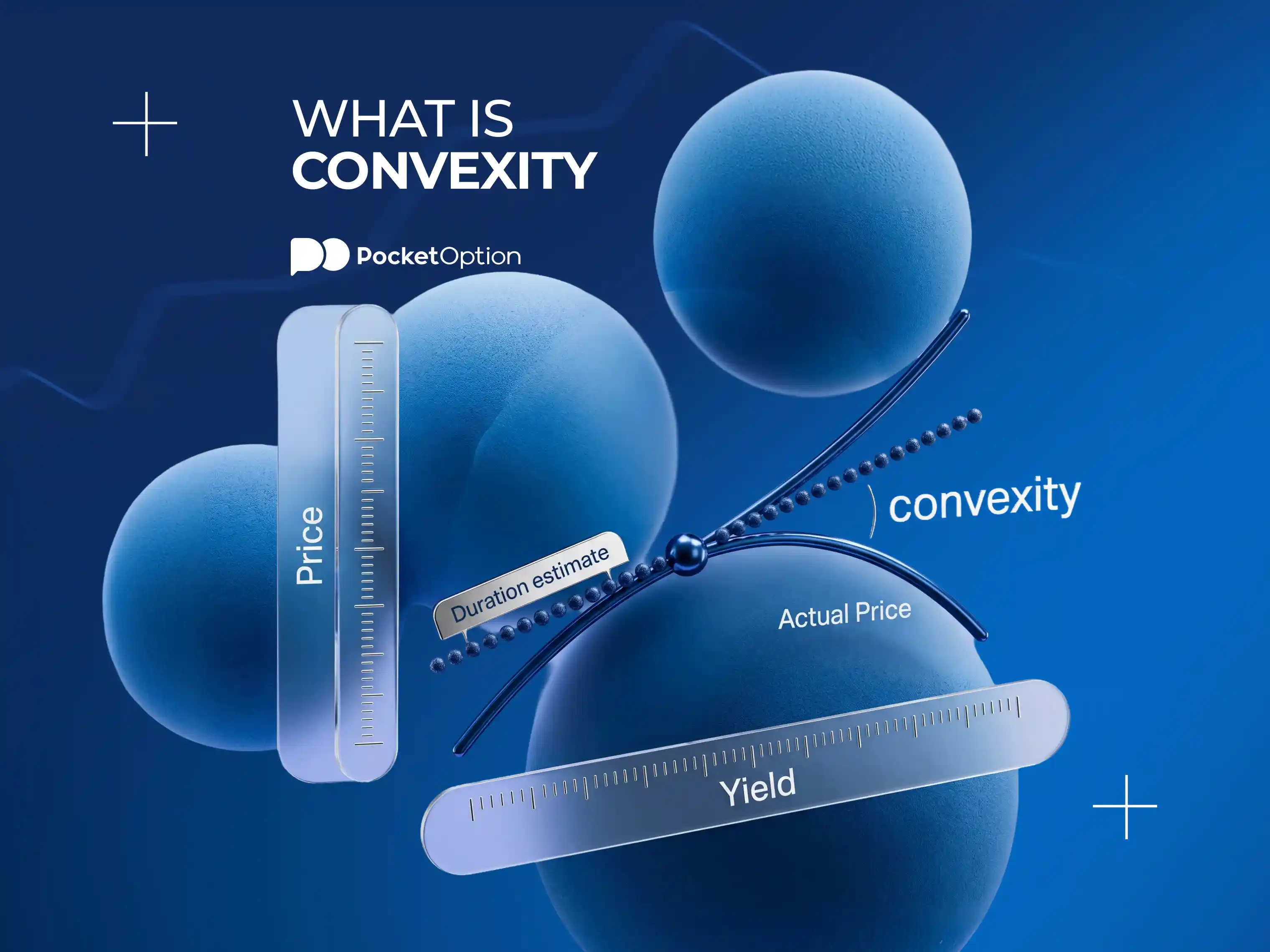
What Is Convexity and How Does It Measure Bond Price Sensitivity?
Convexity is a measure of how much a bond's price sensitivity itself changes as yields move. Duration alone assumes that sensitivity stays constant, which works for small yield changes but breaks down for larger ones. Convexity fills that gap, and it explains why bond prices trace a curve rather than a straight line.
 Eric BriggsBearish
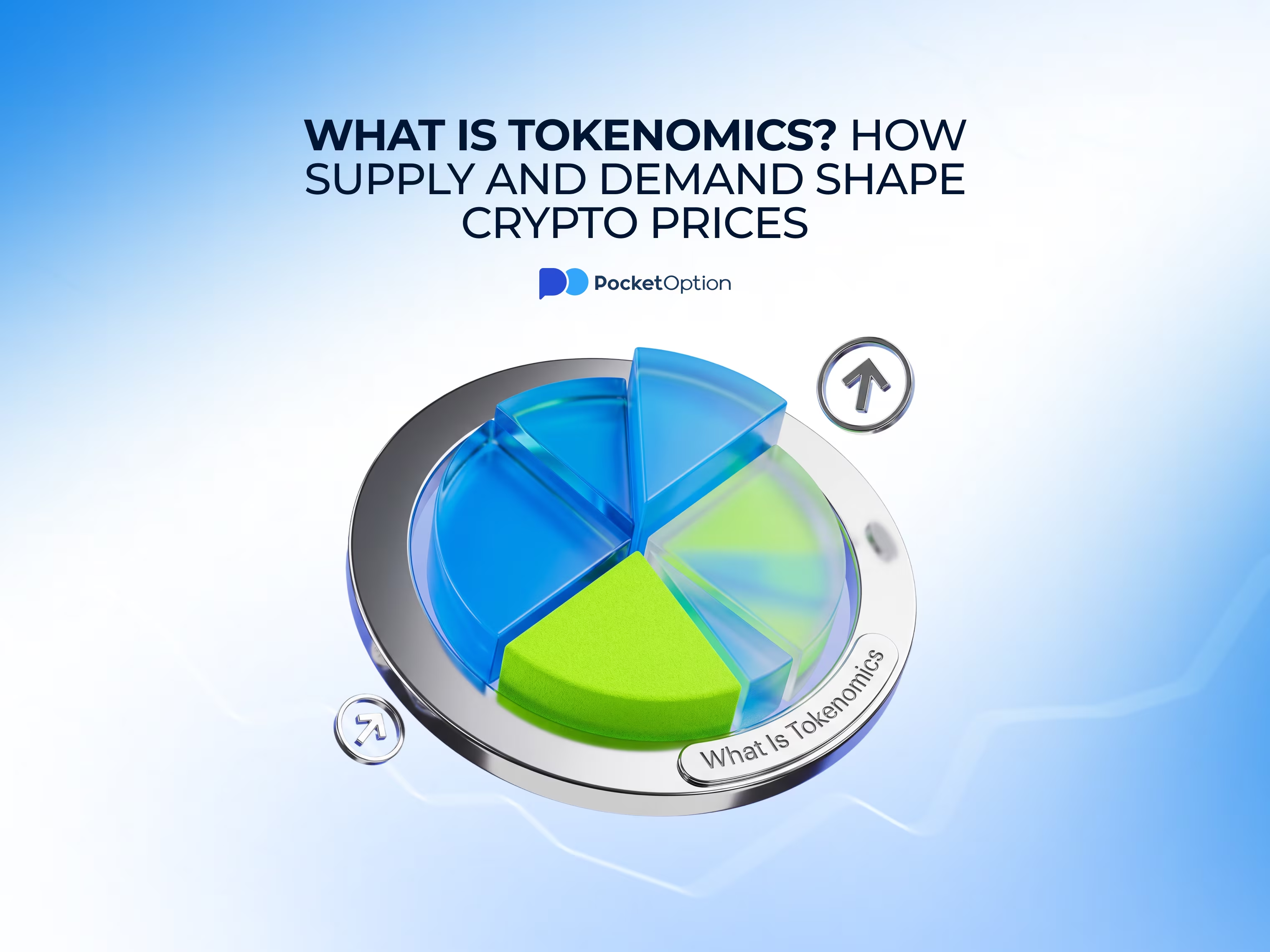
What Is Tokenomics? How Supply and Demand Shape Crypto Prices
Token's supply, allocation, and utility are part of tokenomics. These are the economic rules of the blockchain, that greatly impact the token’s price, and determine how crypto can be traded.
 Albert RobertsonBearish
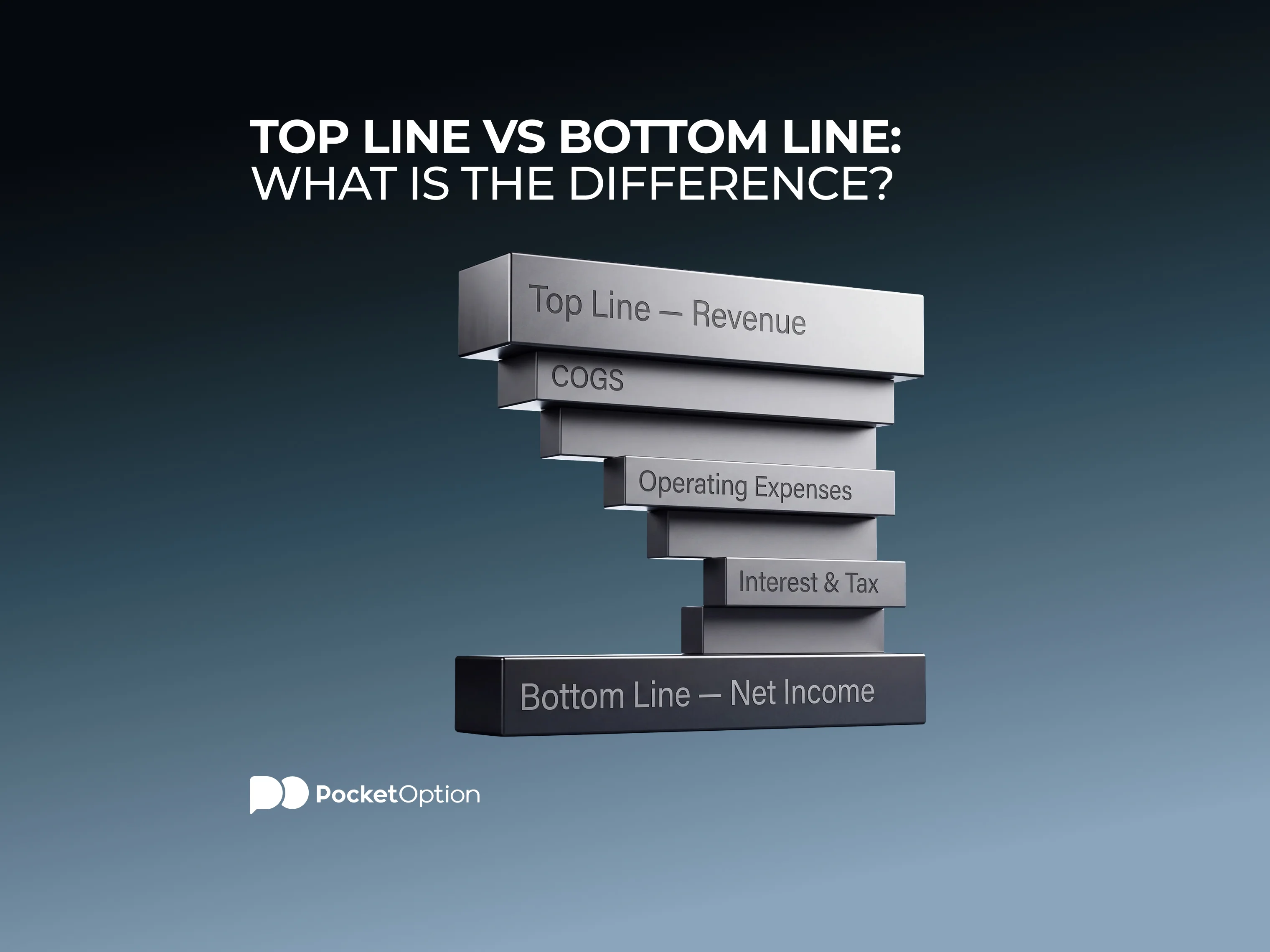
Top Line vs Bottom Line: What Is the Difference?
A company's top and bottom lines sit at opposite ends of the same income statement. One shows how much money came in. The other shows what is left once every cost has been paid. A company can grow one while the other shrinks, and knowing which number is moving, and why, matters more than either figure alone.
 Albert RobertsonBearish
PreMarket Trading: How to Read Early Price Moves Before the Open
Prices may fluctuate drastically prior to the near market's open and usually on relatively light volume. Futures, movers, and the catalysts behind those moves become critical in translating premarket movement into actionable information, rather than a trigger.
 Albert RobertsonBearish
What Are Tangible Assets and How Do Physical Assets Create Value?
Tangible assets are the physical things a company owns and can put a price on: buildings, machinery, inventory, cash. They sit on the balance sheet as a floor under the business, value that does not depend on a brand story or a patent holding up in court. Intangible assets often drive growth, but tangible assets are what a company can fall back on when growth stalls.
 Albert RobertsonBearish
What Is Currency Appreciation and How Do Stronger Currencies Impact Trade?
Currency appreciation is a rise in the value of one currency against another. A stronger currency buys more abroad, which sounds like an unqualified gain until it starts reshaping who can sell what, and at what price, across a border. Appreciation and depreciation are two sides of the same exchange rate, and neither is good or bad on its own.
 Albert RobertsonBearish
Vortex Indicator: How to Catch the Start of a New Trend with VI+ and VI-
Vortex indicator is displayed through two lines labelled as: VI+ and VI- and allows to track the upward and downward price movements. Crossing points mean that the new trend starts developing, and the opened gap reflects the power of the new trend.
 Albert RobertsonBearish
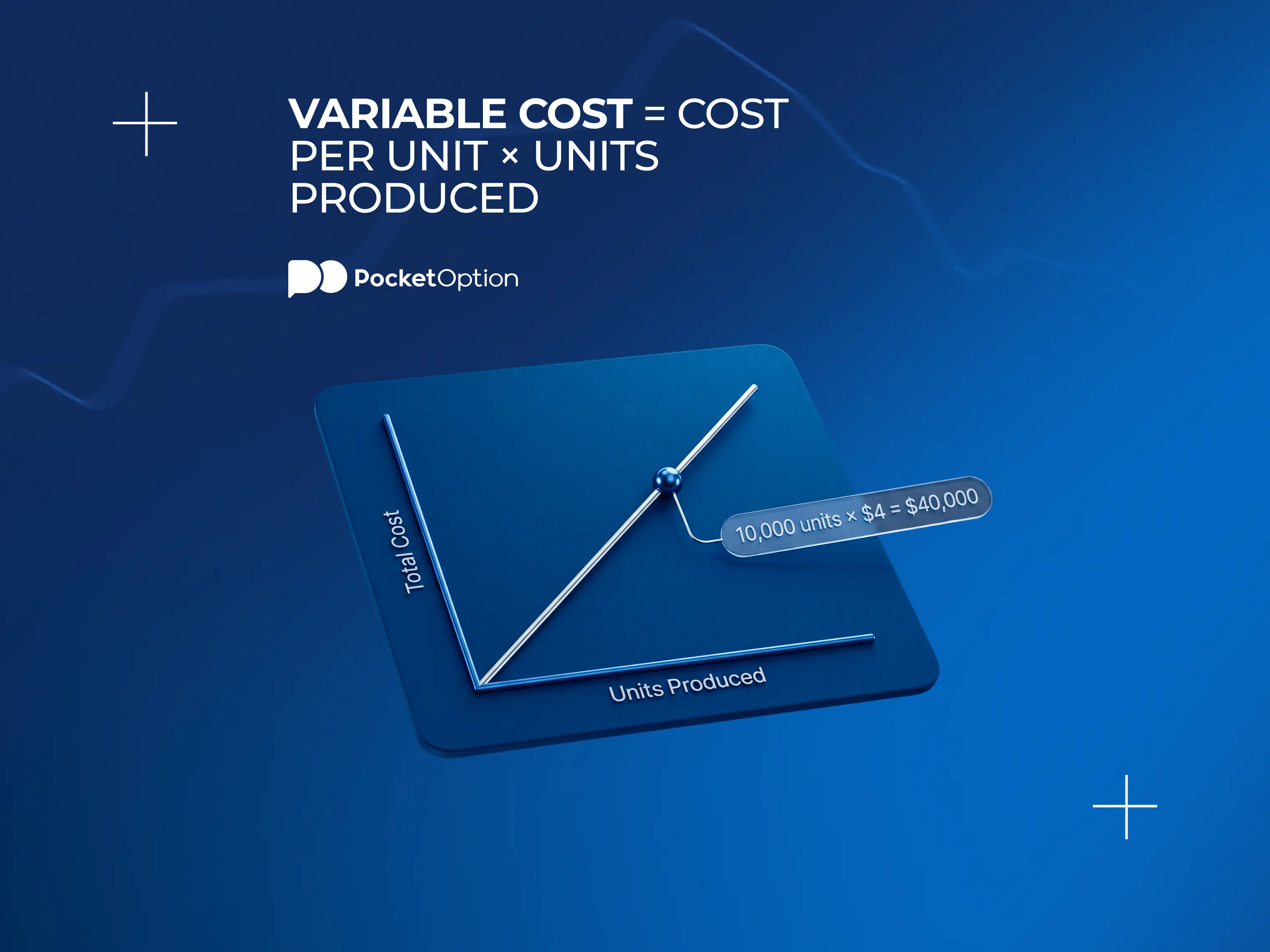
What Is a Variable Cost and How Do Variable Costs Change with Activity?
A variable cost rises and falls in direct proportion to output. Understanding the variable cost formula, and how it differs from a fixed cost, helps you read a company's cost structure before deciding whether its margins can hold up under pressure.
 Eric BriggsBearish
Why Does Crypto Have Value? What Actually Backs Digital Assets
People outside of blockchain and tokenomics often dismiss crypto altogether as 'backed by nothing'. But is it really true, or does scarcity, cost of production, utility, and trust have monetary value?
 Albert RobertsonBearish
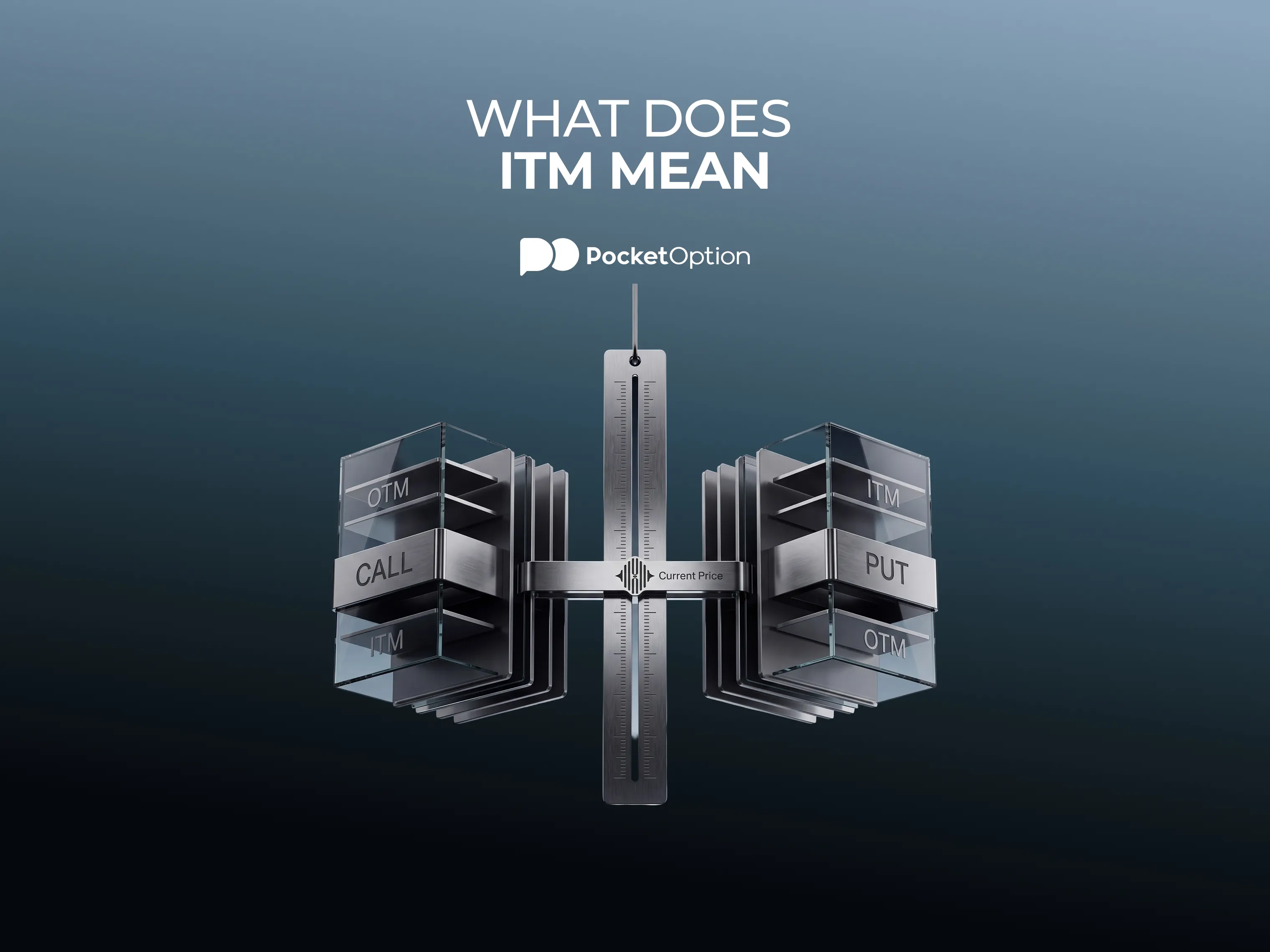
What Does ITM Mean and How Do In-The-Money Options Work?
ITM meaning, short for in-the-money, describes an option whose strike price already sits on the favorable side of the underlying asset's current price. Understanding what is ITM in stocks helps you see why these options cost more but carry a lower risk of expiring worthless.
 Albert RobertsonBearish
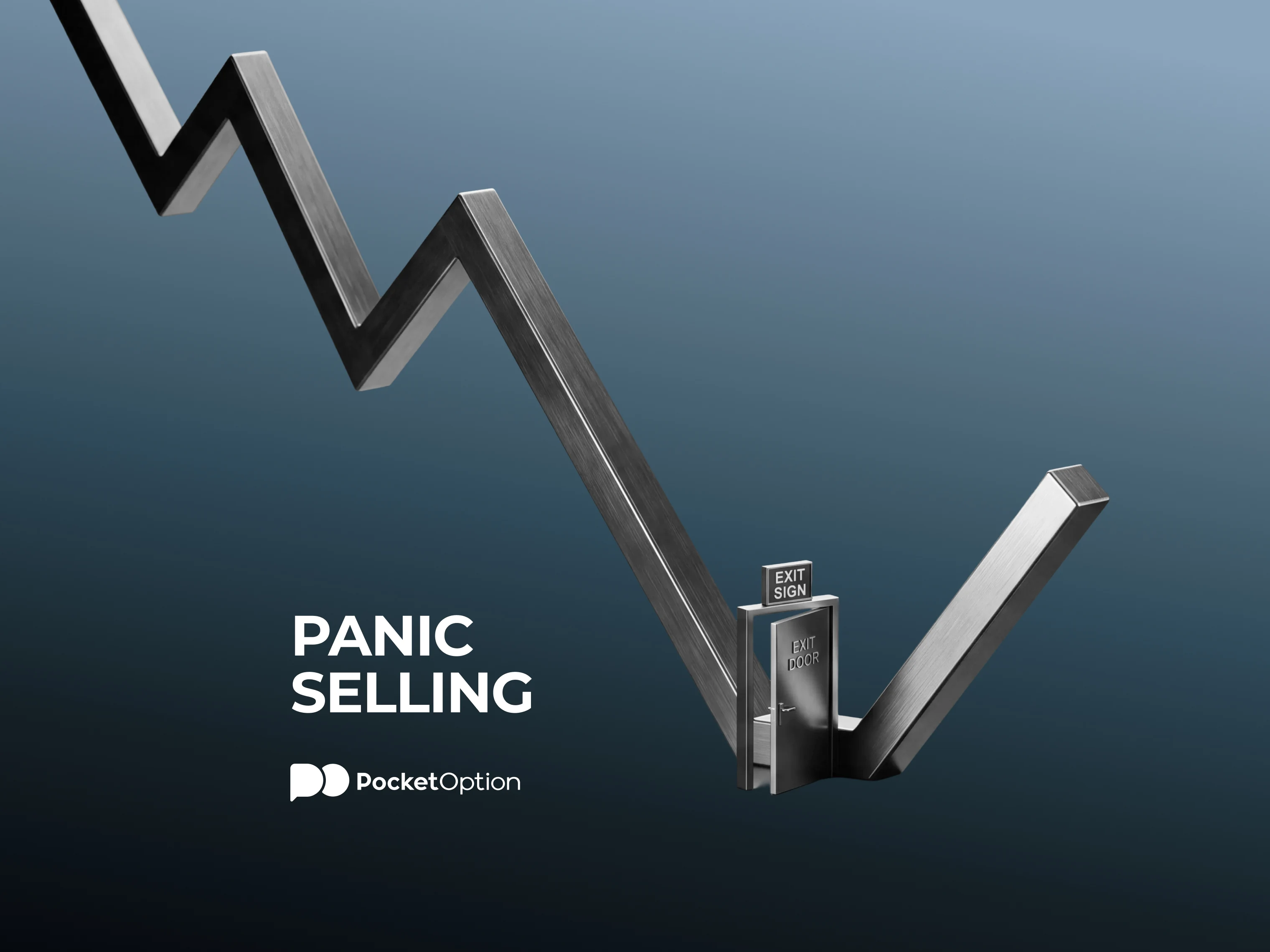
Panic Selling: Why Traders Dump Positions at the Worst Possible Moment
When people are panic selling, it means they are closing positions out of fear, rather than for any logical reason. This kind of selling can sometimes coincide with a local bottom and the rebound that follows, but there's no way to know that while it's happening, and the decline can just as easily continue. We break down how this works, psychologically and mathematically, and how a disciplined stop-loss might save your account.
 Albert RobertsonBearish
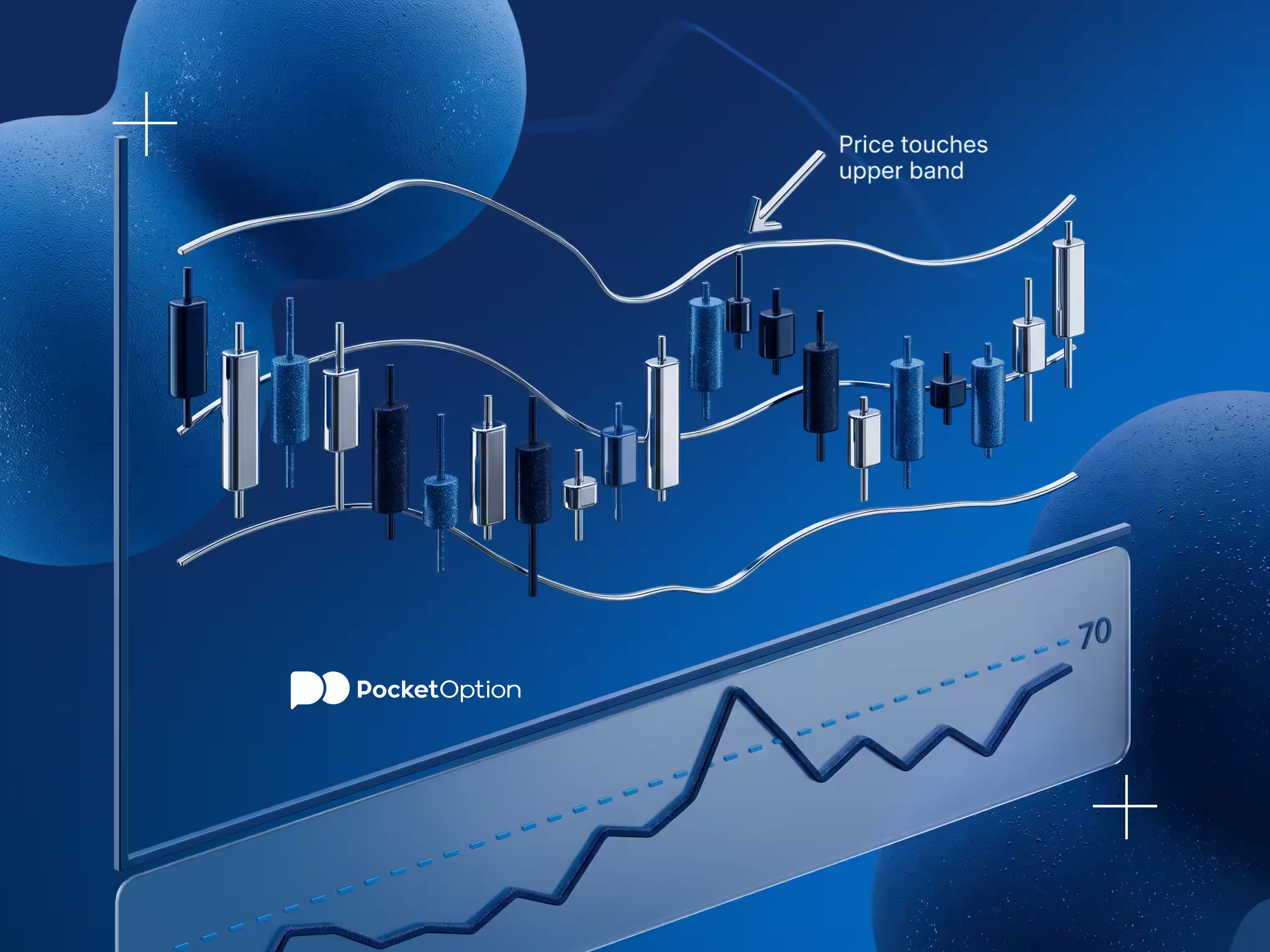
Mean Reversion Indicators: How to Combine Bollinger Bands, RSI and Moving Averages
Mean reversion trading rests on a simple idea: price that has stretched too far from its average tends to snap back. Combining a few mean reversion indicators into one setup filters out far more false signals than relying on any single tool alone.
 Albert RobertsonBearish
Schaff Trend Cycle (STC): A Faster Alternative to MACD for Short-Term Trends
The Schaff Trend Cycle combines MACD and Stochastic smoothing, enabling quicker detection of short trends, which produce less false signals that are results of lag-related issues.
 Albert RobertsonBearish
What Is Open Outcry Trading and How Does It Work?
Open outcry trading is a method of public auction where traders shout bids and offers, backed by hand signals, on a physical exchange floor. Electronic trading has replaced most of it, but the mechanics behind it still explain how price discovery actually works.
 Eric BriggsBearish
Crypto Lending: How It Works, Returns and Key Risks
Mechanics of crypto lending allow holders to earn yield on their idle coins, giving a percentage profit over time, but also implying some risks. We cover how that yield appears, what rates can be offered by various platforms, and the risks associated with this.
 Albert RobertsonBearish
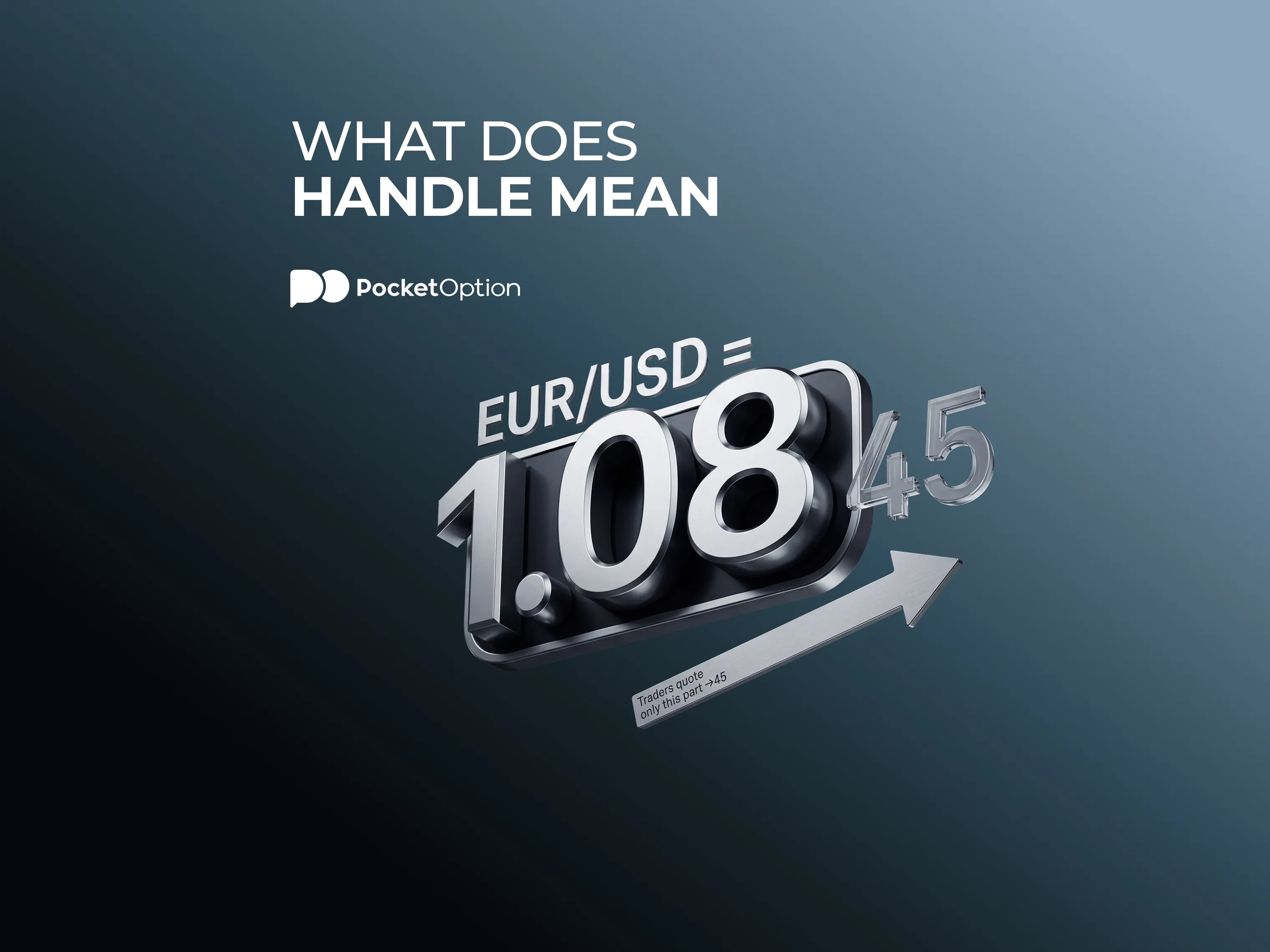
What Does Handle Mean and How Is the Handle Used in Price Quotes?
Traders on a dealing floor or in a chat rarely quote the full price. They drop the digits everyone already knows and communicate only the part that has changed. The dropped portion is the handle. Understanding what is a handle in trading makes it easier to follow professional shorthand and avoid misreading price levels.
 Eric BriggsBearish
Bid-Ask Spread in Crypto Trading: Why It Is Wider Than in Forex and What It Costs You
A wide spread subtly raises the cost of every trade, and can drastically lower your profitability. Understanding what is spread in crypto trading, and why it typically is higher than in forex, can help you judge the true cost of entering and exiting a position, and increase your survival chances on the open market.