What Is a Pullback and How Do Traders Use Pullbacks in Trends?
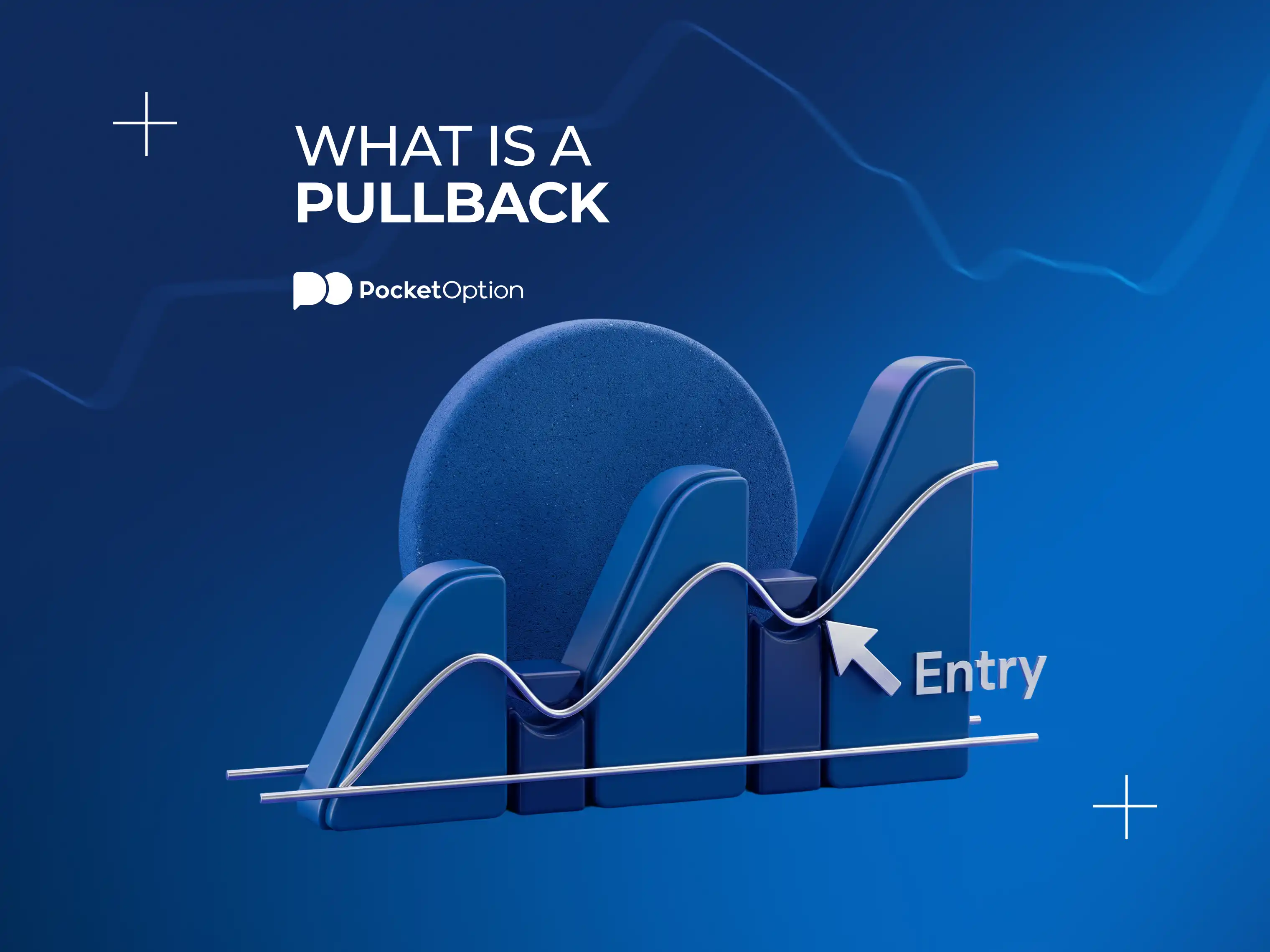
A pullback is a temporary price move against the prevailing trend. The retracement meaning is closely related: both describe a counter-trend move that does not break the overall direction. This entry focuses on how traders use pullbacks as entry points to join a trend at a better price.

Pullback as an Entry Point: Quick Definition

A pullback entry is a strategy where the trader waits for price to retrace within an established trend before entering in the trend's direction. The logic is straightforward: buying at a lower price in an uptrend (or selling at a higher price in a downtrend) improves the risk-to-reward ratio compared to chasing the move at its highs or lows.
Buying the Dip in an Uptrend
In a rising market, price rarely moves in a straight line. Periodic pullbacks create opportunities to enter long positions at a discount to the recent high. Traders who swing trade stocks often scan for exactly these setups: an established uptrend followed by a controlled dip toward a known support zone. A stock market pullback of 3-5% within a strong trend is a common entry trigger.
Selling the Rally in a Downtrend
The mirror applies in falling markets. A market pullback to the upside within a downtrend is used as an entry for short positions. The rally provides a better sell price and a tighter stop above the recent swing high. Understanding how pullbacks behave in forex pairs helps identify how these counter-moves develop across different instruments.
Using Moving Averages to Time a Pullback Entry
The 20-period and 50-period exponential moving averages (EMA) are widely used as dynamic support in uptrends (or resistance in downtrends). When price pulls back to a rising 20 or 50 EMA and bounces, it confirms that the trend is intact. The EMA acts as a reference level: entries are taken when price touches or slightly breaches the average and then resumes direction. A review of equity trading tools and technical setups covers how these setups are applied in equity markets.
Using Fibonacci Zones for Pullback Entries
Fibonacci retracement levels (38.2%, 50%, 61.8%) are overlaid on the most recent impulse move. Pullbacks stalling at these levels are treated as entry zones. A pullback holding above 61.8% in an uptrend is considered healthy. A break below 78.6% raises the probability of a reversal rather than a pause.
Support and Resistance Retest Entries
When price breaks above resistance and pulls back to retest it as support, the retest is a classic pullback entry. Volume and candlestick confirmation at the retest strengthen the signal. The same logic applies in reverse for short entries at retested resistance in downtrends.
on Pocket Option with dozens of technical indicators
Get StartedConfirming the Entry: Market Structure and Volume
Not every dip is a pullback. Some are reversals. Confirmation separates the two:
Higher lows in an uptrend (or lower highs in a downtrend) confirm that market structure is intact
Declining volume during the pullback and rising volume on the resumption suggest the trend is continuing
A break of the most recent swing low in an uptrend signals a potential reversal, not a pullback
A guide to volatility-based entry strategies covers how volatility patterns help distinguish pullbacks from breakdowns. Understanding risk management for active entries helps size the position correctly when entering on a dip.
Conclusion
A pullback is a counter-trend move within an established trend. Traders enter through moving average bounces, Fibonacci zones, and support retests. Confirmation via market structure and volume separates a legitimate pullback from a reversal. Whether the context is a stock market pullback or a forex dip, the mechanics are the same: wait for the pause, confirm the trend, and enter at a better price.
Disclaimer: Trading involves significant risk of capital loss. Past performance does not indicate future results. A pullback entry does not guarantee the trend will continue. This article is for educational purposes only.
See more:Glossary