What Are Basis Points and How Do They Measure Small Rate Changes?
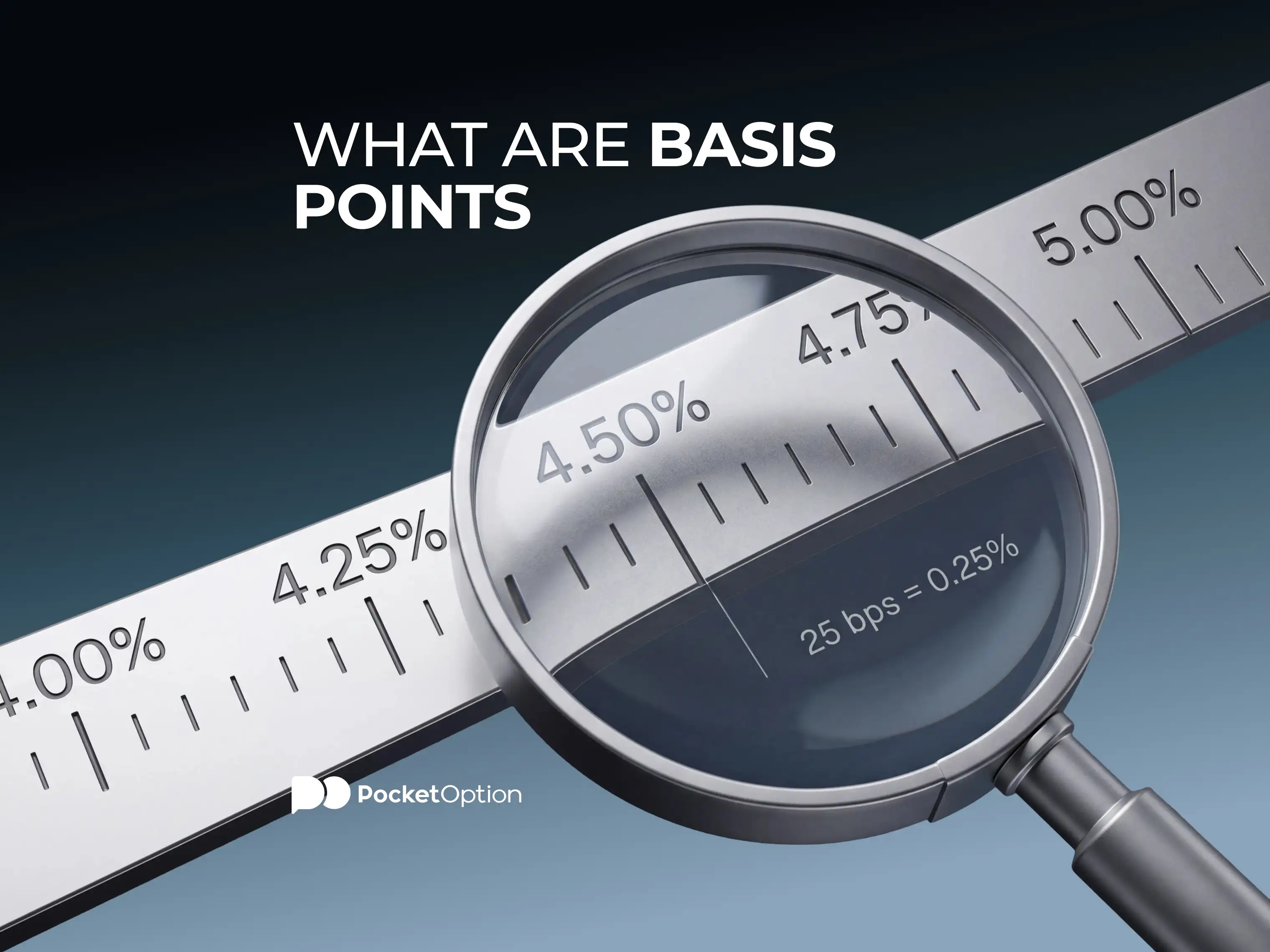
When a central bank raises rates by 25 basis points, the move is 0.25 percentage points. The unit exists because describing small rate changes in plain percentages creates confusion. This entry explains what is a basis point, why the unit is used, and how to convert between basis points and percentages.

What Is a Basis Point: Definition
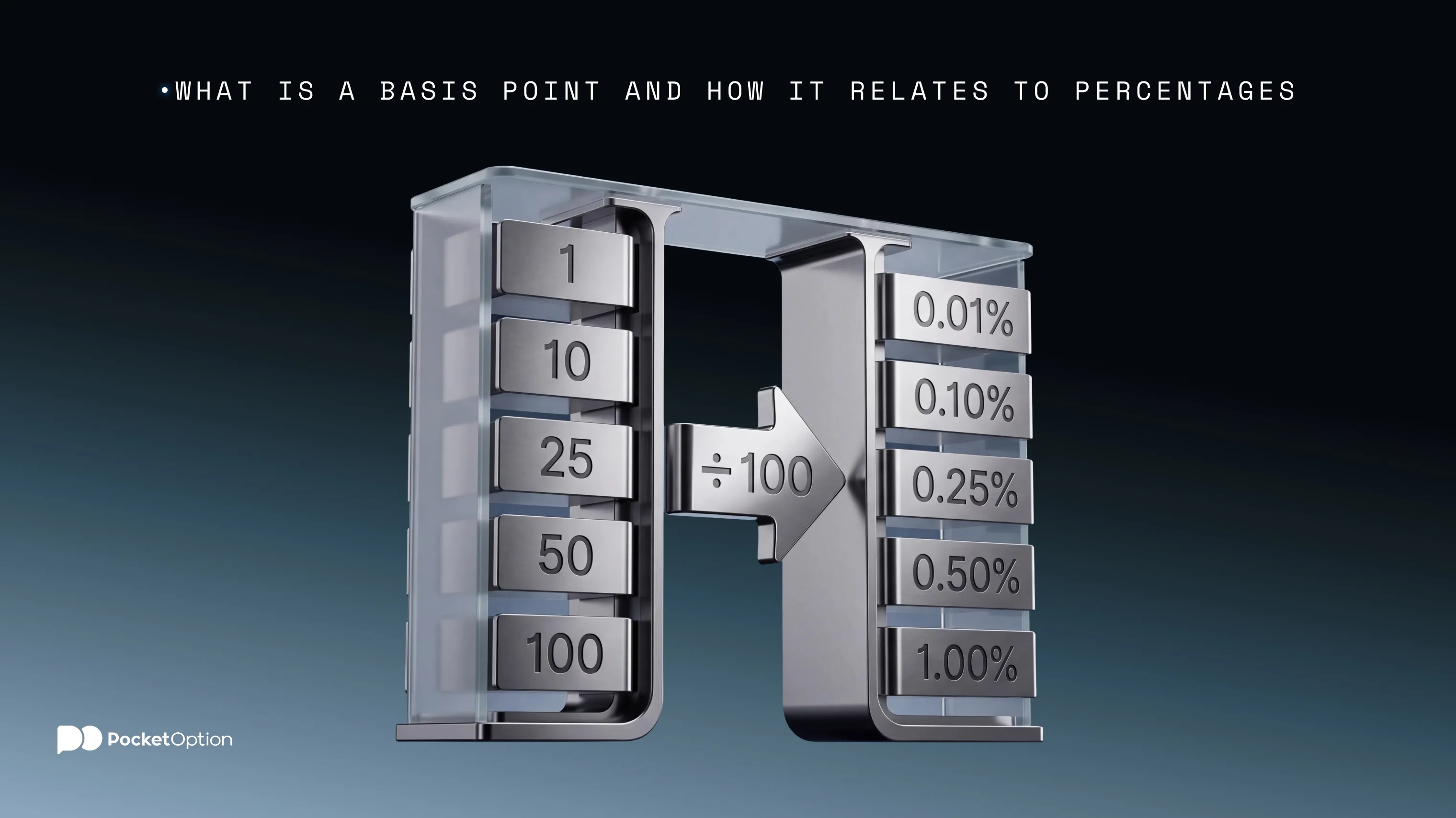
A basis point (abbreviated bp or bps) is one hundredth of a percentage point: 1 bp = 0.01%. The bps meaning is simple: it provides a precise, unambiguous unit for measuring small changes in interest rates, bond yields, spreads, and other rate-based metrics. Understanding what are basis points removes the ambiguity that arises when percentages are used to describe changes to percentages.
Why Basis Points Avoid Confusion With Percentages
Consider an interest rate that moves from 5.00% to 5.25%. Saying "the rate increased by 0.25 percentage points" is accurate. Saying "the rate increased by 5%" is also mathematically valid (0.25 / 5.00 = 5%) but means something entirely different. Basis points eliminate this ambiguity: the move is 25 basis points, and there is only one way to interpret that. This precision is why central banks, bond traders, and mortgage lenders all use basis points as their standard unit.
How to Convert Basis Points to Percentages
The conversion formulas are:
Basis points to percentage: divide by 100. Example: 50 bps = 50 / 100 = 0.50%.
Percentage to basis points: multiply by 100. Example: 0.75% = 0.75 x 100 = 75 bps.
A quick reference: 1 bp = 0.01%, 10 bps = 0.10%, 25 bps = 0.25%, 50 bps = 0.50%, 100 bps = 1.00%.
Common Basis Point Changes and What They Mean
Central banks typically move rates in increments of 25 or 50 basis points. A 25 bp hike is considered a standard tightening step. A 50 bp or 75 bp move signals urgency. A guide to how central bank rate decisions move forex markets covers how these decisions ripple through forex markets. Understanding how interest rate differentials affect currency pairs explains how even a 25 bp shift can alter the relative attractiveness of two currencies.
Where Basis Points Matter Most
Basis points are used across fixed income, forex, lending, and derivative pricing:
Central bank rate decisions: announced in basis points (e.g. "the Fed raised by 25 bps")
Bond yields: a 10-year treasury moving from 4.20% to 4.35% is a 15 bp increase
Loan pricing: a mortgage spread quoted as 150 bps above the benchmark rate
Credit default swaps and other derivative spreads measured in basis points
A guide to risk factors in rate-sensitive instruments covers how rate sensitivity translates into trading risk.
after fast register and opening a Demo account
Get StartedConclusion
The basis points meaning is straightforward: 1 bp = 0.01%. The unit exists to prevent confusion when describing small changes to rates that are already expressed as percentages. From central bank decisions to bond spreads and loan pricing, basis points are the standard language of precision in rate-based markets. Strategies for trading around rate-driven volatility events often depend on reading these small changes accurately.
Disclaimer: Trading involves significant risk of capital loss. Past performance does not indicate future results. This article is for educational purposes only and should not be treated as financial advice.
See more:Glossary