What Is Open Outcry Trading and How Does It Work?
Open outcry trading is a method of public auction where traders shout bids and offers, backed by hand signals, on a physical exchange floor. Electronic trading has replaced most of it, but the mechanics behind it still explain how price discovery actually works.

What Is Open Outcry Trading: Definition
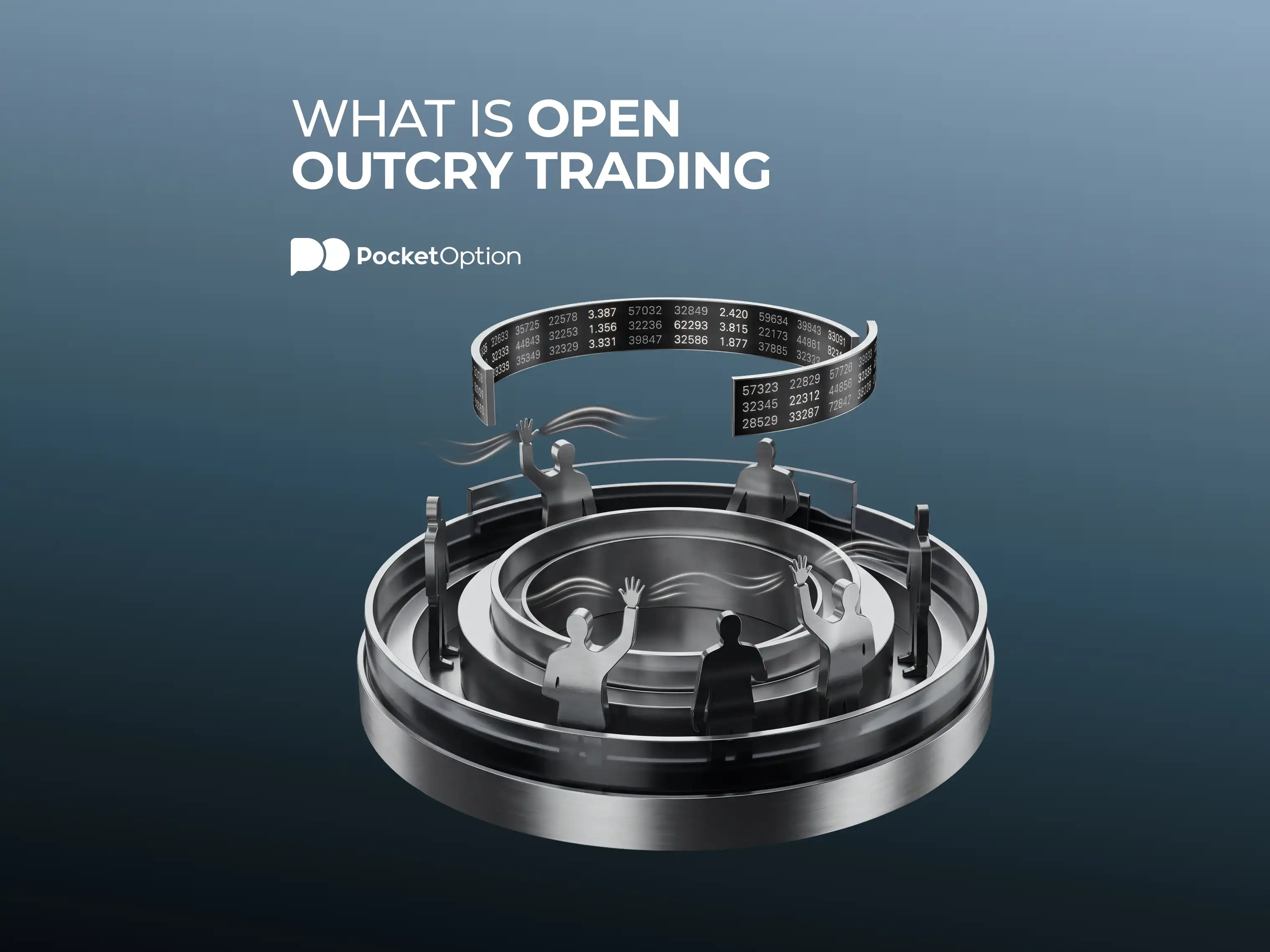
Under the open outcry system, every bid and offer is announced out loud and simultaneously signaled by hand, in a designated area called a pit or ring. A stock market pit could hold dozens of traders at once, each competing to have their price seen and heard by everyone else in the crowd at the same moment.
How Pit Trading Worked: Bids, Offers, and Hand Signals
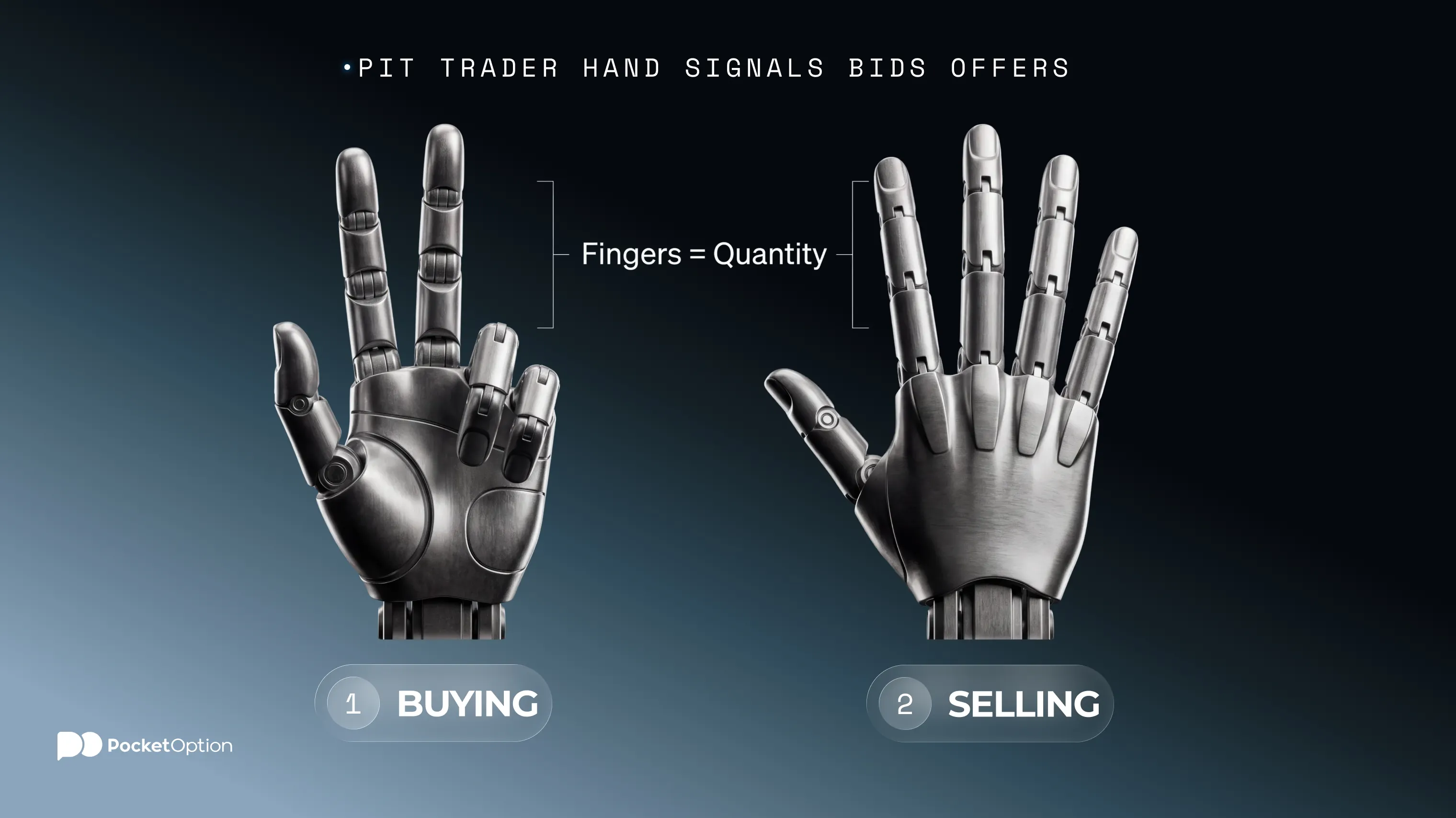
A pit trader used specific hand positions to signal buying or selling: palms facing in typically meant buying, palms facing out meant selling, and the number of fingers held up indicated quantity. Shouting the price alongside the signal let traders across a noisy pit both hear and see the same bid or offer at once, since either signal alone could be missed in the chaos.
This combination of voice and gesture was not a quirky tradition; it was a practical solution to communicating fast, competing prices across a crowded floor before any electronic alternative existed.
Why Open Outcry Was an Effective Price Discovery Method
Every bid and offer in the pit was visible to every other trader present, all competing in the same physical space at the same time. That transparency meant a price only settled once enough traders had seen and rejected or accepted it, which is the core mechanic behind any genuine auction. Compared with modern order types like market and limit orders, open outcry relied on human traders directly performing that same matching function, just without any software behind it.
Why Exchanges Moved to Electronic Trading
Electronic systems execute orders in milliseconds, something no crowd of shouting traders could ever match. They also cut costs by removing the need for a physical floor and the staff to run it, and they open access to anyone with an internet connection rather than only traders with a seat on the exchange. Automated trading systems extended this further, letting pre-set rules submit and manage orders without any manual input at all.
get started with Pocket Option
Get StartedWhere Open Outcry Still Exists Today
A handful of exchanges keep a physical trading floor running, most visibly the NYSE trading floor, which still uses designated market makers and floor brokers for certain listings and for the opening and closing auctions, even though the overwhelming majority of daily volume is now matched electronically. Some options and commodities pits have also persisted in reduced form, mainly for large or complex orders where a human negotiator can still add value. Similar to how OTC trading exists alongside centralized exchanges today, open outcry now survives as a specialized channel rather than the default method.
Conclusion
Open outcry trading solved a real problem: getting competing prices seen and heard by an entire crowd at once, using nothing but voice and hand signals. Electronic trading solved the same problem faster, cheaper, and at far greater scale, which is why it took over almost everywhere. The pits that remain today are the exception, kept alive for specific situations rather than as the primary way markets set prices.
Disclaimer: This article is for informational purposes only and does not constitute financial advice. Trading involves risk, and losses can exceed initial deposits.
See more:Glossary