Blog with Crypto
 Eric BriggsBearish
Crypto Volatility Index (CVI): Measuring Expected Volatility in Crypto Markets
The Crypto Volatility Index, CVI for short, gives a number on how big of a price swing the options market expects from cryptos to be over the next 30 days. Not the way it will go, only the size, but that can still give traders a lot of useful guidance.
 Eric BriggsBearish
What Is RENDER/RNDR Crypto? Render Network, Token Utility and Why High-Tech Tokens Attract Traders
Two tickers, one project, and no end of old pages nobody ever went back and put right. That is the bulk of the muddle behind what is RNDR crypto. RENDER is the project running the show presently, over on Solana network. RNDR is the Ethereum one it came out of.
 Eric BriggsBearish
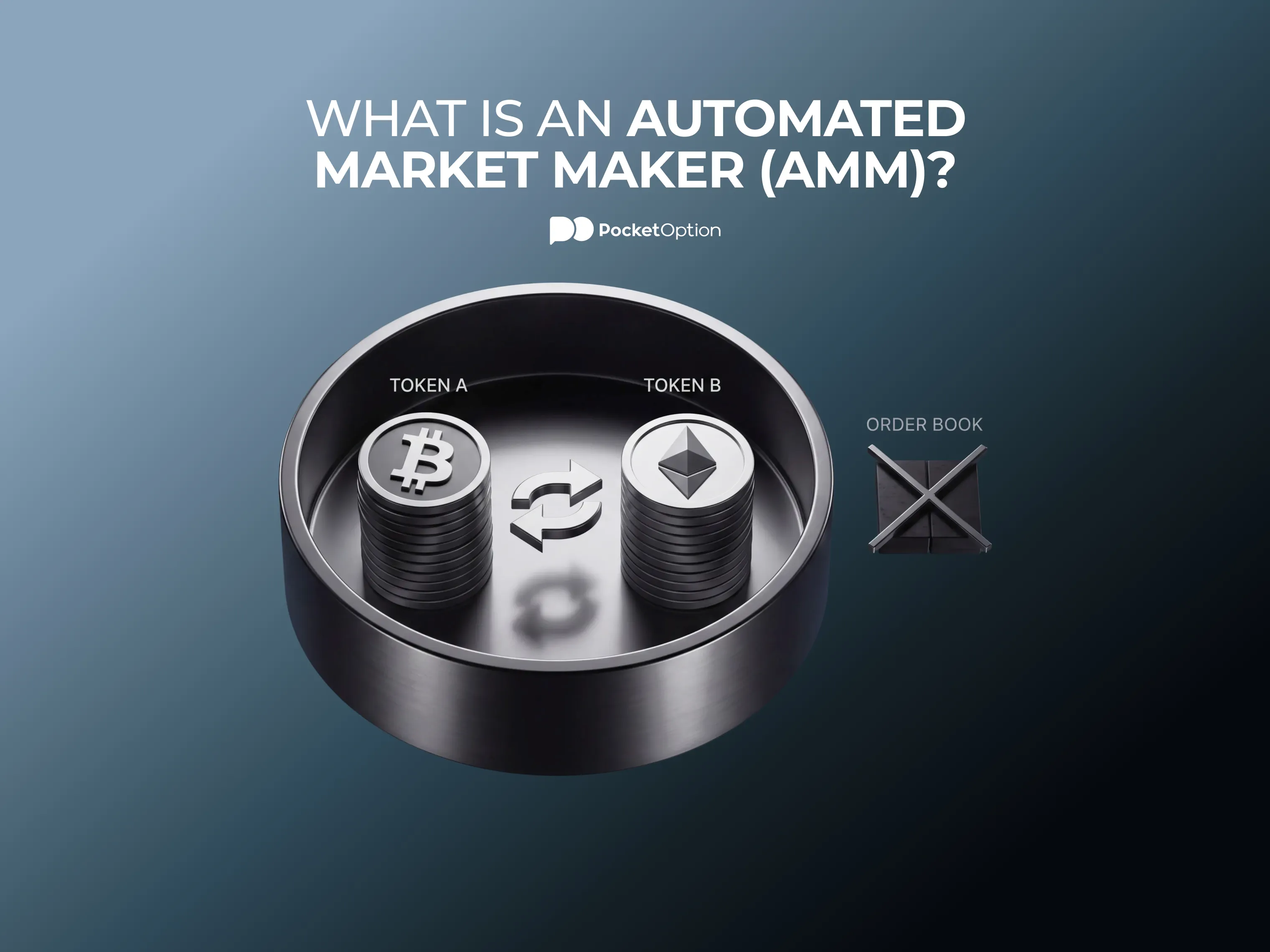
What Is an Automated Market Maker (AMM)? How AMMs Power DeFi Trading Without Order Books
No buyer waiting on the other side. No order book at all. Swap goes through anyway, at a rate nobody typed in anywhere. Catches people out the first time, and the answer is a bit of code sat on two piles of tokens, doing one sum.
 Eric BriggsBearish
How to Buy New Crypto Before Listing: Risks, Methods and What Listing Really Means
The process seems easy, but "early" depends on perspective. The token can be sold to private investors, launched via ICO and traded in liquidity pools way before any exchange mentions it. Each stage has a price, lock-up period and its own risks.
 Eric BriggsBearish
What Is a Peg in Crypto? What Depegging Means
Most tokens float in price. But a few are built so they don’t, and that’s their entire purpose. The one job of a pegged asset is to sit still, while the stuff around it doesn’t. For this, something is usually doing the holding, and it’s a lot more complicated than it may sound at first.
 Eric BriggsBearish
What Is Crypto Winter? How Prolonged Bear Markets Reshape the Market
If crypto prices are falling for months, and activity is thin, this is a 'crypto winter'. Distinct by its length and depth, it seems to happen on a cycle, and gets shallower every time. There are three past winters with patterns worth analysing.
 Eric BriggsBearish
What Is Tokenomics? How Supply and Demand Shape Crypto Prices
Token's supply, allocation, and utility are part of tokenomics. These are the economic rules of the blockchain, that greatly impact the token’s price, and determine how crypto can be traded.
 Eric BriggsBearish
Why Does Crypto Have Value? What Actually Backs Digital Assets
People outside of blockchain and tokenomics often dismiss crypto altogether as 'backed by nothing'. But is it really true, or does scarcity, cost of production, utility, and trust have monetary value?
 Eric BriggsBearish
Crypto Lending: How It Works, Returns and Key Risks
Mechanics of crypto lending allow holders to earn yield on their idle coins, giving a percentage profit over time, but also implying some risks. We cover how that yield appears, what rates can be offered by various platforms, and the risks associated with this.
 Eric BriggsBearish
Bid-Ask Spread in Crypto Trading: Why It Is Wider Than in Forex and What It Costs You
A wide spread subtly raises the cost of every trade, and can drastically lower your profitability. Understanding what is spread in crypto trading, and why it typically is higher than in forex, can help you judge the true cost of entering and exiting a position, and increase your survival chances on the open market.
 Eric BriggsBearish
How to Analyze Bitcoin Price Moves Before Trading
Rapid change in the Bitcoin price may seem like both, a great opportunity or a danger. In this article you can learn more about five steps of a proper bitcoin price analysis: analyze the news and the current macroeconomic environment, study the volumes, identify the prevailing trend, identify the levels and confirm everything using technical indicators.
 Eric BriggsBearish
How to Choose a Crypto Wallet for Deposits and Withdrawals
The best wallet for crypto transfers is often not the one with most features. It’s the one which supports the right currencies and chains, and lets you be in control of your finances, including setting up gas fees.
 Eric BriggsBearish
How Does Blockchain Work? Core Principles and What It Means for Trading Crypto on Pocket Option
Blockchain technology works quietly behind every crypto asset available for trading, whether you notice it or not. Fortunately, there is no need to read any technical literature in order to understand basic concepts. In this guide, we will discuss the ideas of block, chain, node, and consensus in simple terms, as well as how blockchain works and why this knowledge is relevant for anyone trading crypto or blockchain-linked assets.
 Eric BriggsBearish
What Are Smart Contracts? How They Power DeFi and Affect Crypto Trading on Pocket Option
Behind every DeFi protocol, token swap, or staking reward is a piece of code that does things automatically when a set of conditions is met. It is called a smart contract. It works essentially like a legal document bound to blockchain, governing its rules. This guide explains what are smart contracts, how they work, and how they can move prices of cryptos traded on Pocket Option.
 Eric BriggsBearish
Crypto Stocks: How to Trade Stock-Linked Crypto Exposure on Pocket Option
The value of a crypto token can drop sharply overnight. This is why some traders who want exposure to the crypto ecosystem and blockchain technology hold top crypto stocks instead. This equity is traded on regulated exchanges, has earnings reports, and the stock price can be tracked with the rest of portfolio. Crypto stocks is one of the best ways to participate in the growth of the crypto sector through traditional instruments.
 Eric BriggsBearish
What Is Cryptocurrency? A Basic Guide and Trading Cryptocurrency on Pocket Option
Cryptocurrency has evolved from being an experiment amongst cryptographers to a multi-trillion dollar asset class which is traded constantly across the globe on all seven continents. This guide offers you an easy-to-understand definition of what is cryptocurrency, describes how new coins are generated, and describes how you can start trading BTC, ETH, SOL, and other crypto coins right on Pocket Option.
 Eric BriggsBearish
Bitcoin Transaction: How BTC Transfers Work and What It Means for Trading and Withdrawals on Pocket Option
Every BTC transfer you make is a Bitcoin transaction moving through the same public network (blockchain) that Bitcoin has run on since 2009. Understanding how that network processes data is important if you want to trade or invest into BTC, or do any crypto payments in general.
 Eric BriggsBearish
What Is a Fork in Crypto? How Fork Events Can Impact Your Trading
Splits of blockchain into two are called forks, and they are the most violent and misunderstood events in the entire space. There are still debates around Ethereum forks, which block they should happen at, which chain is the ‘main’ one, etc. This guide explains what is a fork in crypto, why forks happen, how they tend to affect price, and what traders on Pocket Option should know when a fork is about to happen.
 Eric BriggsBearish
Proof of Work vs Proof of Stake: How Consensus Mechanisms Affect Crypto Trading
Bitcoin and Ethereum, two largest cryptos by market capitalization, run on entirely different engines. BTC uses Proof of Work concept. Ethereum uses Proof of Stake. In this guide, we explain the difference between proof of work and proof of stake, compare the two, and show how the consensus mechanism is important to trade cryptos well on Pocket Option.
 Eric BriggsBearish
Soft Fork vs Hard Fork: How Protocol Changes Affect Crypto Prices
When a blockchain is updated, the change is often implemented through a fork, creating two chains from one. But not all forks are created equal. Some are routine network patches and pass almost unnoticed, others birth entirely new tokens, and send markets into a frenzy of speculation. This guide compares soft fork vs hard fork side by side, and what is the best way to capitalize on any fork event with Pocket Option.
 Eric BriggsBearish
Perpetual Futures Explained
Rent a car for the weekend and you know exactly when you are handing back the keys. Saturday morning, done, no negotiating. Some contracts never bother with that return date at all. You can hold the position for an afternoon or three years, nobody is calling you Saturday morning demanding the keys back. The catch is there is no such thing as a free ride that never ends. Something has to keep the arrangement honest instead of a calendar date, and that something is a small recurring payment most beginners have never heard of until it shows up on their account.
 Eric BriggsBearish
Stablecoin Depeg Explained
Tie a boat to a dock with a solid line and it barely drifts, however choppy the water gets. Fray that line and the boat goes wherever the current decides. A stablecoin runs on the same logic, except the dock is one dollar and the line is trust plus a redemption promise. Nobody thinks about the line on a calm day. Then one weekend it goes slack, the coin prints 87 cents, and a quiet corner of crypto becomes the loudest headline around.
 Eric BriggsBearish
Bitcoin Long/Short Ratio Explained
Every open futures position is basically a vote. Long is a vote that price climbs. Short is a vote that price falls. Add up every vote on Bitcoin at a given moment and you get one number: the long/short ratio. It will not tell you who wins. It only tells you which way the crowd currently leans, and crowds get it wrong more often than traders like to admit.
 Eric BriggsBearish
Crypto Liquidations Explained
Hang around crypto derivatives for a while and one word keeps surfacing whenever the market lurches: liquidations. Hundreds of millions gone in minutes, price candles spiking or collapsing right alongside them. To a newcomer it looks dramatic, even frightening. Yet the machinery underneath is surprisingly plain once you take it apart. This guide unpacks how it works, why it matters, and the habits traders use to keep their distance.