What Drives Inflation in Nigeria and How Does It Affect the Naira?
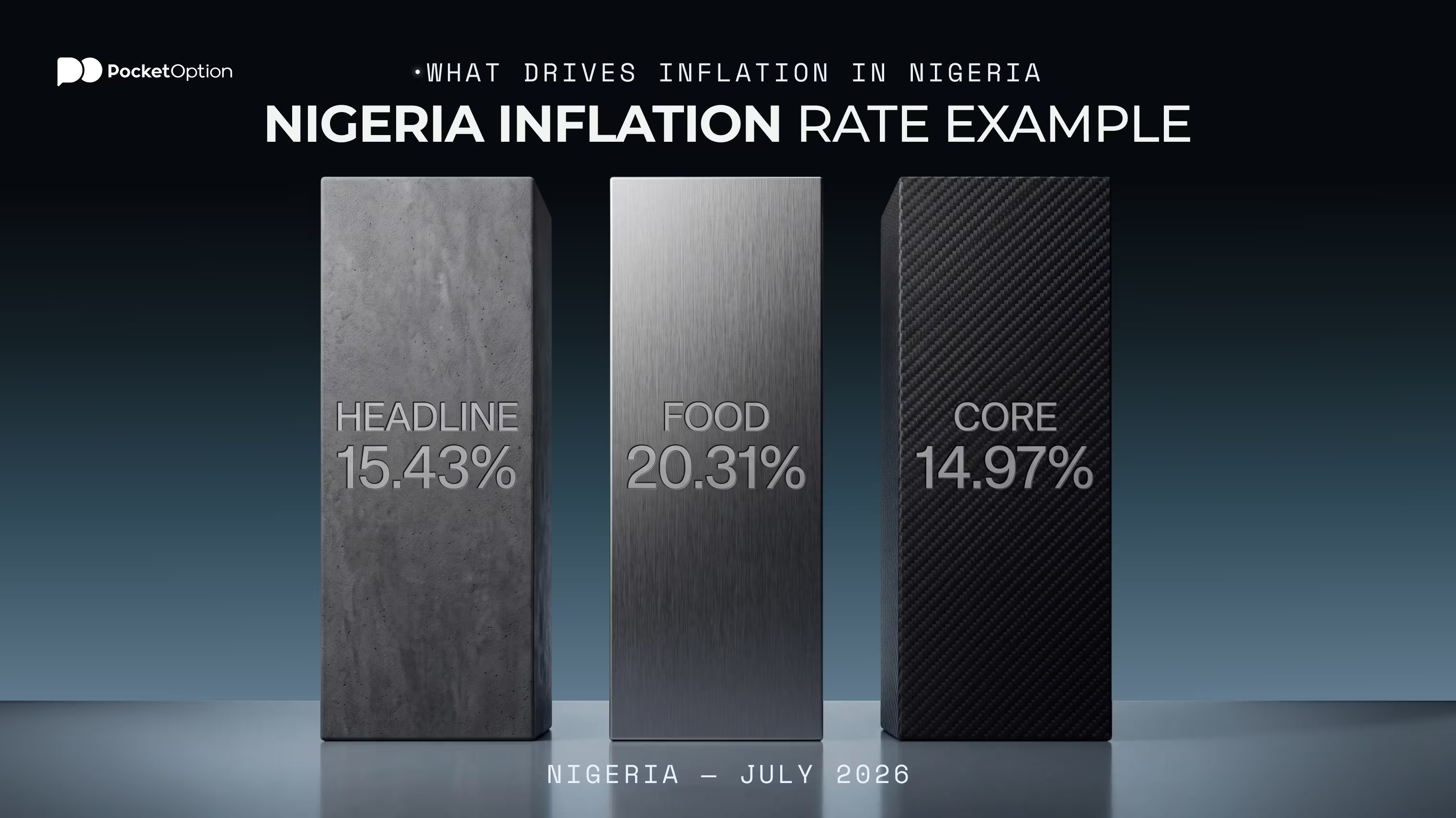
NBS reported headline inflation nigeria at 15.43% for July 2026, with food inflation at 20.31% and core inflation at 14.97%. This guide covers what the latest numbers mean, what drives prices, how inflation connects to the Naira, and the CBN's response.

Nigeria Inflation Rate: What the Latest Numbers Mean
The National Bureau of Statistics tracks a fixed basket of goods and services, month to month. That's the Consumer Price Index, and it's where the latest inflation nigeria numbers actually come from. For July 2026: headline inflation nigeria at 15.43%. Food inflation, 20.31%. Core inflation, the figure that strips out volatile food and energy swings, at 14.97%.
Three numbers, three different jobs. Headline covers everything in the basket. Food narrows in on food and beverage prices specifically, which tend to swing harder and faster than the overall figure. Core strips out the volatile stuff, food and energy, leaving a cleaner read on where underlying price pressure actually sits. One more wrinkle worth knowing: NBS rebased the CPI series to a 2024 = 100 base period. Comparing today's figures straight against older, pre-rebasing numbers, without accounting for that switch, is comparing two different rulers. And a falling inflation nigeria rate doesn't mean prices are dropping. It means they're climbing more slowly than before.
Indicator | Latest Rate | What It Measures |
|---|---|---|
Headline (All-Items) | 15.43% (July 2026) | Overall change in prices across the full consumer basket |
Food | 20.31% (July 2026) | Change in food and beverage prices specifically |
Core | 14.97% (July 2026) | Price change excluding volatile food and energy components |
Open a free demo account and get a feel for currency pairs, using virtual funds.
Try Demo AccountCurious how currency movements actually play out once real numbers are in front of you? Reading about inflation data only goes so far. Watching how the Naira and other pairs actually move shows the connection faster than any description can.
Open a demo trading account and get a feel for how currency pairs actually move, with virtual funds and nothing real on the line.
Causes of Inflation in Nigeria: What Is Driving Prices?
No single factor explains the current nigeria inflation rate. Food prices. Fuel and transport costs. Domestic supply constraints. Production and logistics expenses. The cost of imported goods. External commodity price shocks. All of it feeds into the same overall number, usually together, rarely just one at a time.
Pin the entire nigeria inflation rate on just one of these and something gets missed, how the pressures actually interact and shift over time. Whatever explained last year's numbers doesn't automatically explain this month's. Checking current conditions directly through your Pocket Option login account beats relying on an outdated assumption.
Why Food and Transport Costs Matter
Food and transport costs show up clearly in inflation in nigeria data, and it's not hard to see why. They touch nearly every household budget directly. Fuel and transport costs rising doesn't just hit transportation services, either. Higher logistics expenses ripple straight into the shelf price of anything that has to get moved. Still, food and transport alone don't explain the entire headline rate of inflation in nigeria. Plenty of other categories in the CPI basket move on their own.
How a Weaker Naira Can Push Prices Up
There's a name for this: exchange-rate pass-through. A weaker Naira makes imported goods, raw materials, equipment, production inputs, all of it, more expensive in local currency terms. That adds price pressure. How much of it actually shows up in the inflation rate in nigeria depends on the structure of imports, domestic costs, demand, and a handful of other factors that shift the math each time. A weaker Naira doesn't translate automatically into a proportional jump in the inflation rate in nigeria. The relationship runs through several channels at once, not one clean formula.
How Inflation in Nigeria Affects the Naira
This doesn't run in one direction. High nigeria inflation can erode the currency's domestic purchasing power and shift what market participants expect next. A weaker Naira, in turn, can add to import costs and push inflationary pressure further. Each side leans on the other.
The exchange rate itself depends on more than nigeria inflation alone. Monetary policy. The supply and demand for foreign currency. Export earnings, oil revenues, reserves, capital flows. All of it matters. Pull a rate forecast out of a single CPI report and most of what's actually driving the currency gets skipped past. Treating nigeria inflation as the whole story misses the rest of it.
How the CBN Responds to Inflation
The Central Bank of Nigeria leans on its Monetary Policy Rate, among other tools, to influence borrowing costs, demand, and where inflation expectations settle. As of its most recent Monetary Policy Committee meeting, held July 20 and 21, 2026, the MPR sat at 26.5%. But addressing the causes of inflation in nigeria through monetary policy alone only goes so far. A rate hike doesn't automatically bring inflation down. It doesn't guarantee a stronger Naira either. It's one lever, working alongside fiscal policy, supply-side conditions, and whatever's happening externally.
Why Traders Watch Nigeria's Inflation Data
Why do inflation data releases matter to anyone following Nigeria's economy and the Naira? Because CPI changes shape expectations, about future CBN decisions, interest rates, the broader state of things. But how the currency market actually reacts depends on more than just the headline number. Positioning matters. Expectations matter. A handful of other macro factors weigh in too. None of this turns a CPI release into a ready-made trading setup, or a specific entry condition.
What Nigeria's Inflation Rate Cannot Tell You Alone
CPI has real limits on its own. It doesn't forecast where the Naira's exchange rate goes next. It doesn't reflect the same cost changes for every household. It doesn't explain everything happening across the wider economy either. Read it next to food and core inflation, the exchange rate, CBN decisions, growth figures, whatever else is current, and the picture gets fuller than any single number could give alone.
Risk Disclaimer: Trading involves significant risk of capital loss. This article is for educational purposes only and does not constitute financial advice. Always conduct independent research and consider your risk tolerance before making any trading decisions.
Voir plus:GEO