What Is a Variable Cost and How Do Variable Costs Change with Activity?
A variable cost rises and falls in direct proportion to output. Understanding the variable cost formula, and how it differs from a fixed cost, helps you read a company's cost structure before deciding whether its margins can hold up under pressure.

What Is a Variable Cost: Definition
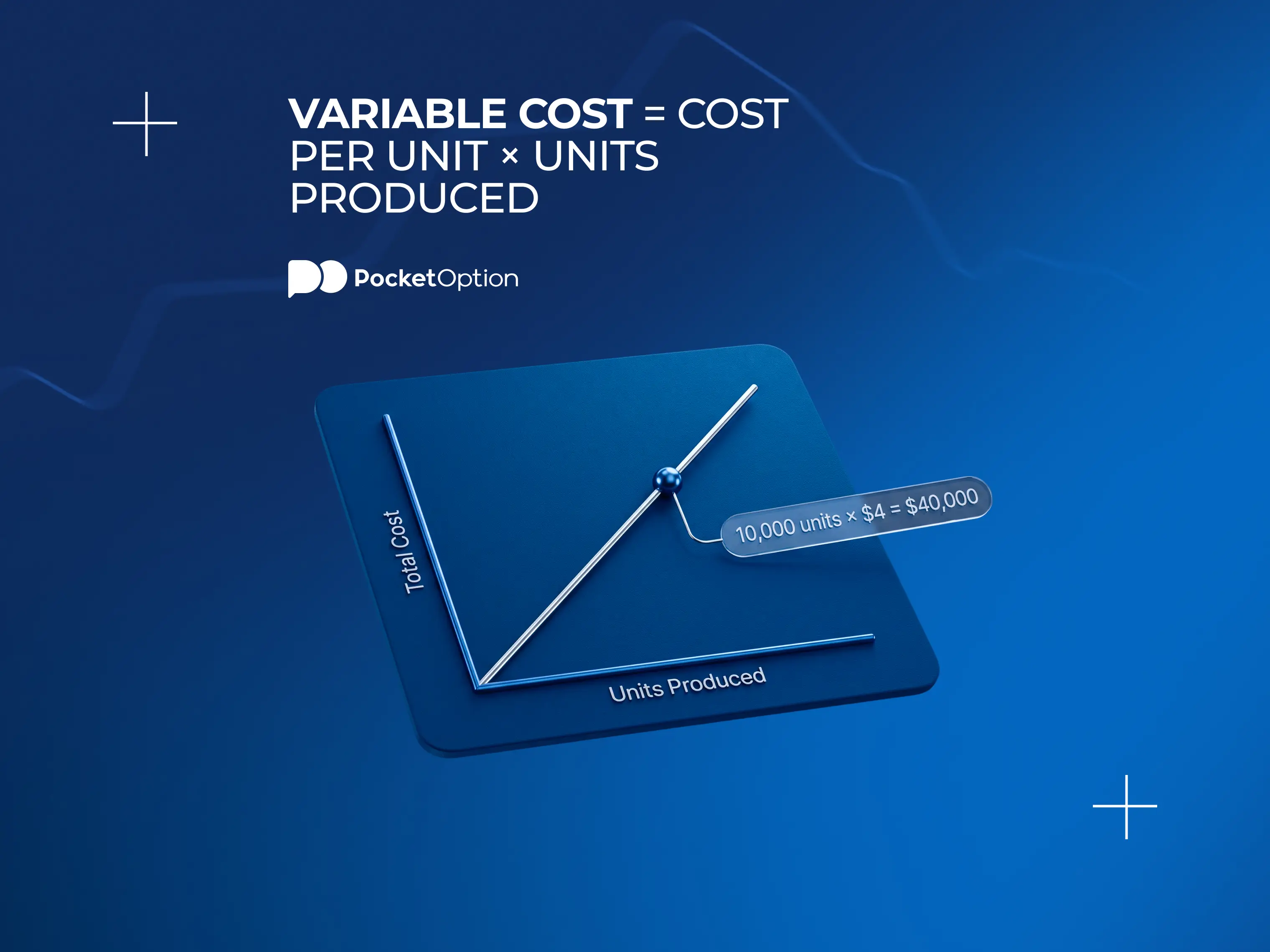
A variable cost is an expense that changes directly with production volume or sales activity. Produce more units, and total variable cost rises. Produce nothing, and it falls to zero. This is what separates it from a fixed cost, which stays constant regardless of output.
The Variable Cost Formula
The core variable cost formula is simple: cost per unit multiplied by units produced. If a company spends $4 in materials for every unit made, and produces 10,000 units in a month, total variable cost for that month is $40,000. Scale production up or down, and the total moves proportionally, while the per-unit figure itself stays fixed unless input prices change.
Common Examples of Variable Costs
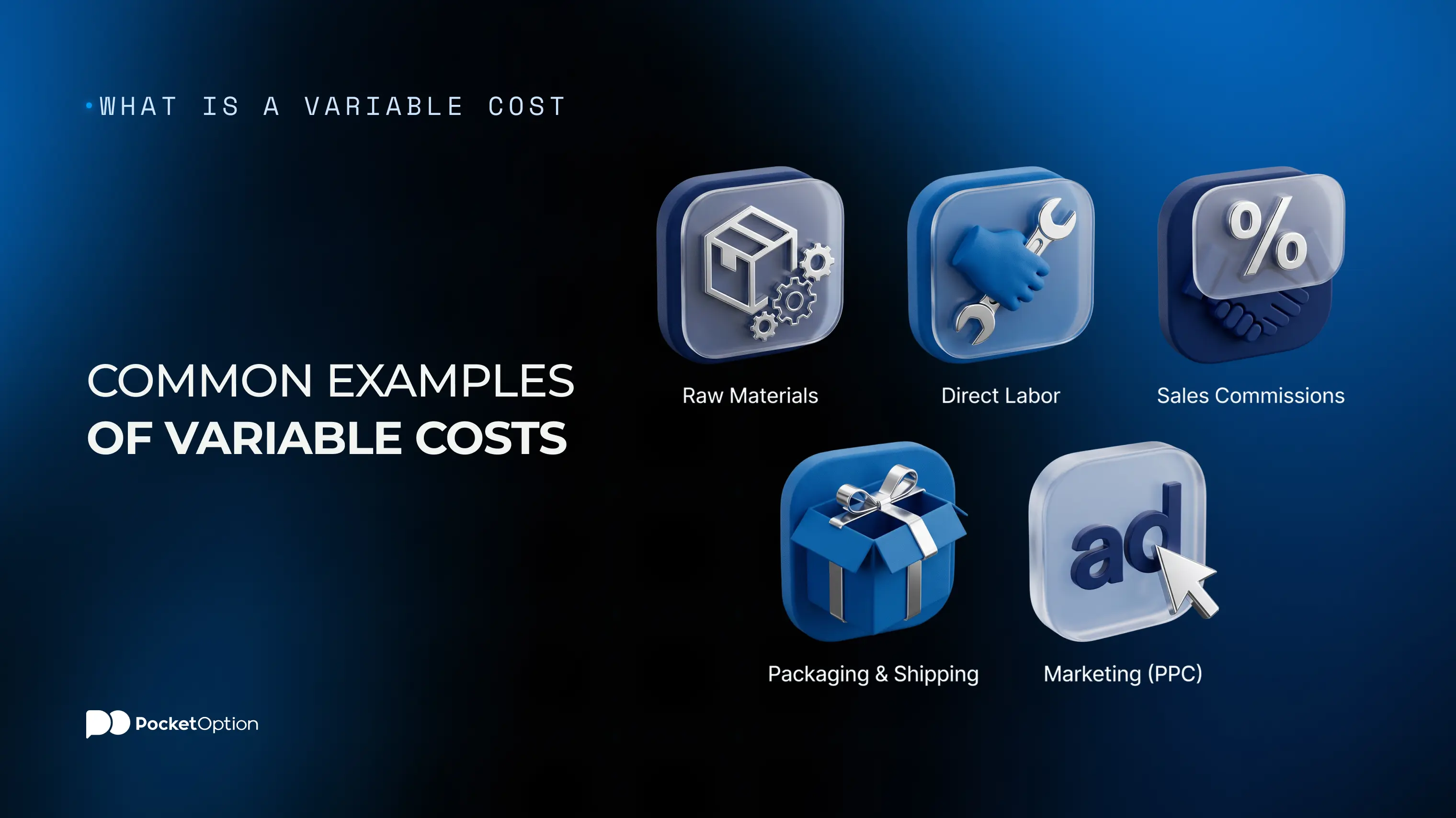
A few variable cost examples show up in almost every business, regardless of industry:
Raw materials and components used directly in a product.
Direct labor paid per unit produced or per hour worked on production.
Sales commissions tied to units sold.
Packaging and shipping costs per order.
Marketing spend that scales with volume, such as pay-per-click advertising.
Variable Costs vs Fixed Costs
A fixed cost, such as rent or a manager's salary, does not move with output in the short term. Variable cost vs fixed cost comes down to what happens to an expense as volume changes: variable costs track output, while fixed costs stay flat until a business scales far enough to need more capacity. Most companies carry a mix of both, and that mix defines how sensitive profit is to a change in sales.
How Variable Costs Affect the Break-Even Point
The break-even point formula divides total fixed costs by the difference between price per unit and variable cost per unit. A business with high variable costs relative to price needs to sell more units to cover its fixed costs, since each sale contributes less toward that goal. Lower variable costs per unit narrow that gap and reduce the number of units needed to break even.
Semi-Variable and Stepped Costs
Not every expense fits neatly into one bucket. A semi-variable cost carries both a fixed base and a variable component, such as a phone plan with a flat monthly fee plus usage charges. A stepped cost stays fixed within a range of output, then jumps once a threshold is crossed, such as hiring a second shift after production passes a certain volume.
Why Cost Structure Matters When Evaluating a Company
A company's cost structure, the balance between fixed and variable costs, shapes how profit responds to changes in revenue. A business weighted toward variable costs tends to see steadier margins across good and bad quarters. One weighted toward fixed costs can see profit swing sharply once sales cross the break-even point. Reading this balance alongside how to calculate profit margin and how to calculate earnings per share gives a fuller picture of earnings resilience. This is a lens fundamental analysis of stocks relies on heavily, and pairing that with the financial metrics used in equity trading rounds out the picture further.
trade stocks on Pocket Option
Get StartedConclusion
A variable cost moves with production and sales, while a fixed cost holds steady regardless of output. Together, they define a company's cost structure and its break-even point, information that matters whether you're running a business or evaluating one as an investor.
Disclaimer: Trading involves significant risk of capital loss and may not be suitable for all investors. Past performance does not guarantee future results.
Ver más:Glossary