Blog
 Albert RobertsonBearish
What Is Stockbroking and How Do Stockbrokers Execute Client Orders?
Every share order you place has to reach a market somewhere, and something has to carry it there. That is the job stockbroking does. Most of it finishes in under a second, which is part of why so few people look at how.
 Albert RobertsonBearish
What Does EBITDA Mean and How Is EBITDA Used to Value Companies?
Profit can be measured more than one way, and the number you pick changes the story. EBITDA is one of those numbers. It shows up all over valuation work, and it gets read wrong about as often as it gets read right.
 Albert RobertsonBearish
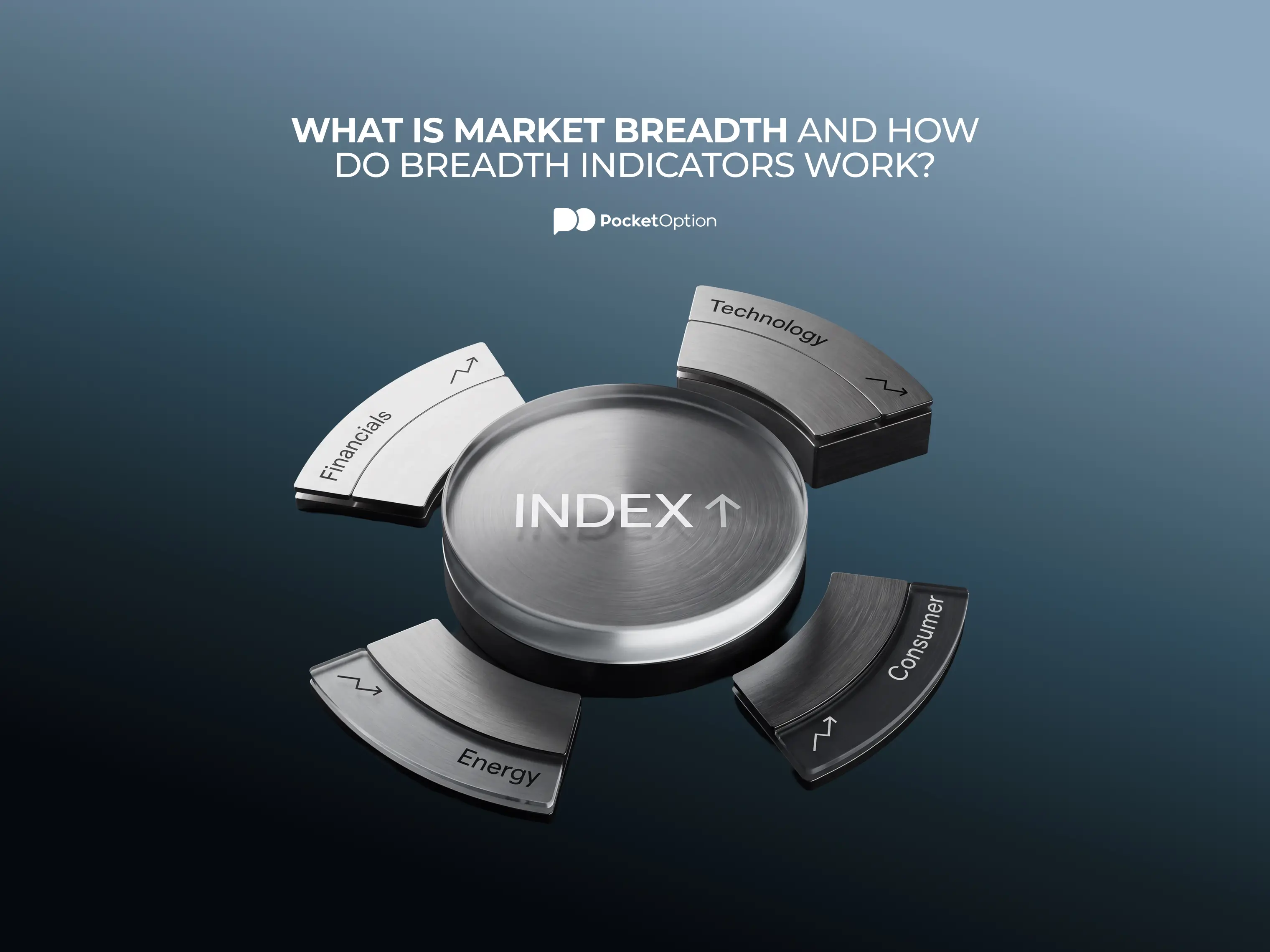
What Is Market Breadth and How Do Breadth Indicators Work?
Market breadth measures how many individual stocks are actually participating in an index move, not just the headline number itself. This guide covers the main breadth indicators, confirmation, divergence, and how to read breadth without overreading it.

 Diego FernándezBearish
How Does the Nairobi Securities Exchange Work?
Nairobi Stock Exchange is the former name of what is now the Nairobi Securities Exchange, home to indices like NASI, NSE 20, and NSE 25. This guide covers how listing and trading work, what moves prices, and how to read index moves in context.
 Diego FernándezBearish
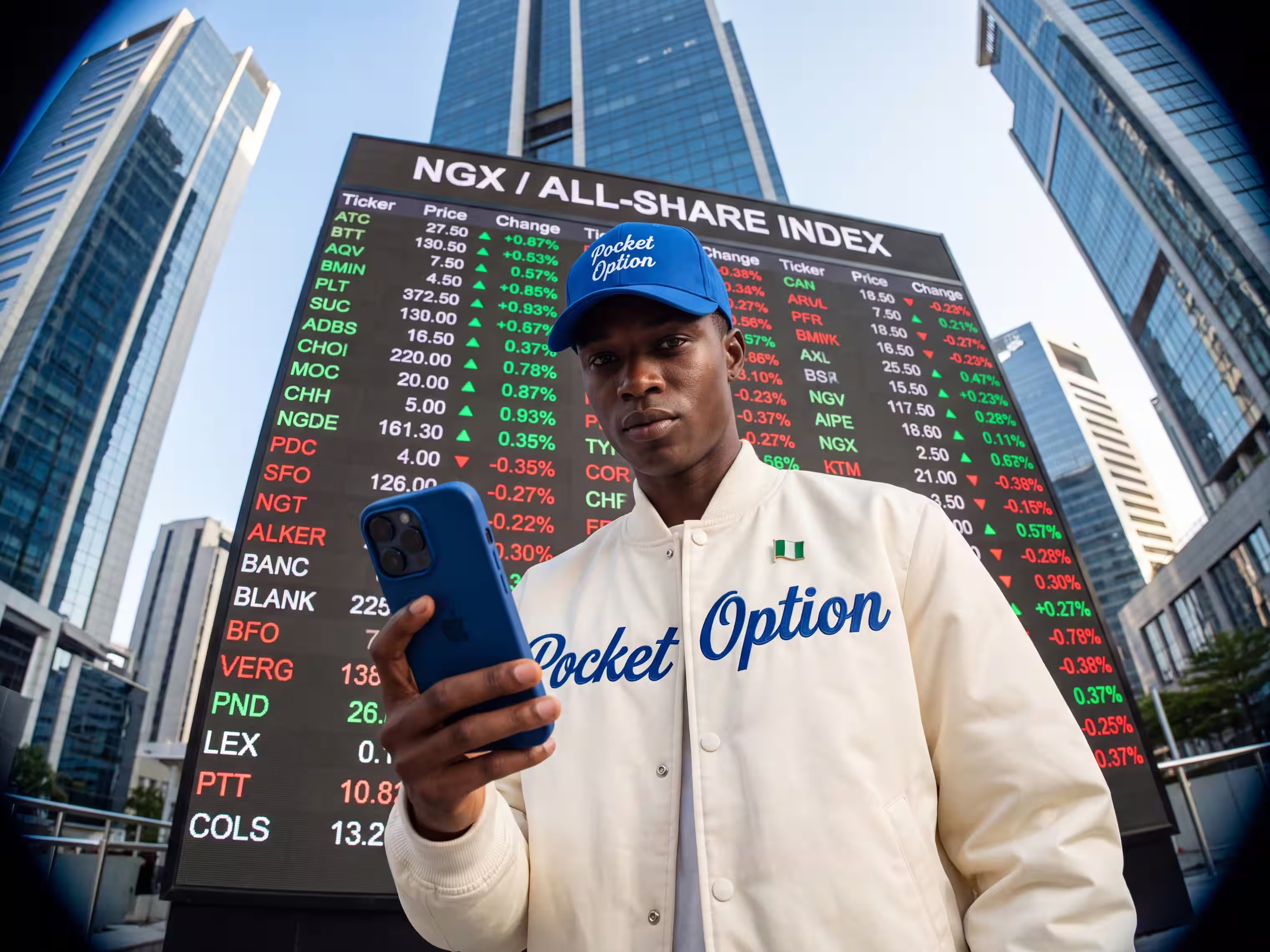
How Does the NGX Work and What Moves Nigeria's Stock Market?
Nigerian Exchange Limited runs the nigeria stock market, with the NGX All-Share Index tracking overall movement across listed equities. This guide covers how listing and trading work, what moves prices, and how to read index moves in context.
 Albert RobertsonBearish
What Is Profit Factor in Trading and How Is It Calculated?
Profit factor compares total gross profit to total gross loss in a trading strategy, showing how much came in against how much went out. This guide covers the formula, a simple example, how to read the result, and its limits.
 Albert RobertsonBearish
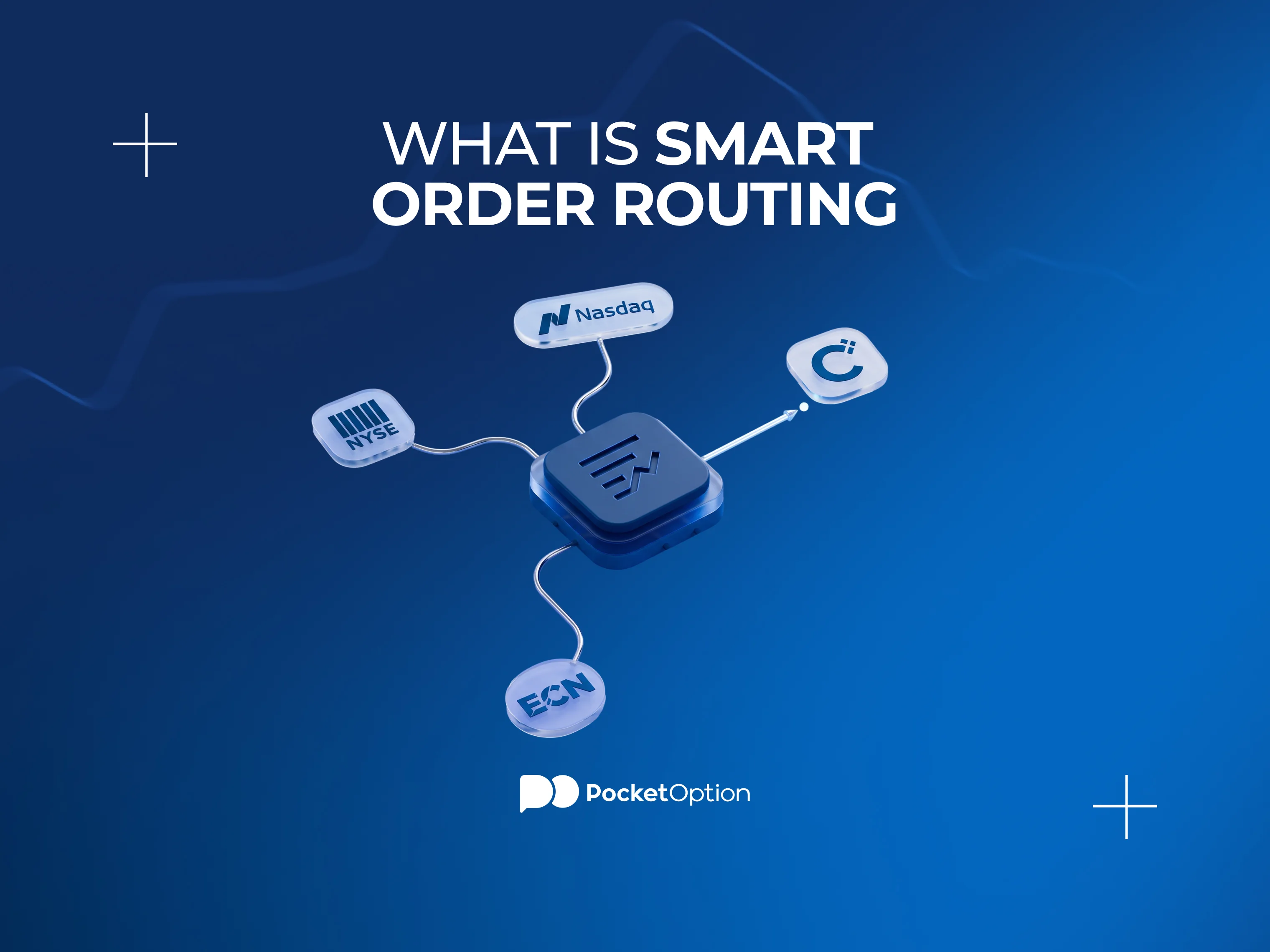
What Is Smart Order Routing and How Does It Improve Trade Execution?
Smart order routing is the automated system, often called a smart order router, that scans multiple trading venues and sends an order to whichever one offers the best net execution at that moment. It exists because a single stock or currency pair can trade on dozens of venues at once, each with its own price and available size.
 Albert RobertsonBearish
What Does Alpha Mean and How Is It Used to Measure Performance?
What does alpha mean in the world of investing? Alpha meaning, put simply, is the extra return an investment produces beyond what its risk level alone would predict, based on the capital asset pricing model.
 Albert RobertsonBearish
What Does Rally Mean and How Do Market Rallies Form?
Rally meaning, in plain terms, is a sustained stretch of rising prices, whether that lasts an afternoon for a day trader or several months for a long-term investor. A market rally can start from real news or simply from enough traders deciding a move is underway and buying into it.
 Albert RobertsonBearish
What Is a Floating Exchange Rate and How Do Flexible FX Rates Work?
A floating exchange rate is a currency value set by supply and demand in the open market, rather than by a central bank holding it at a fixed level. Most of the world's most heavily traded currencies, including the US dollar, euro, pound, and yen, work this way.
 Albert RobertsonBearish
What Is Yield and How Do Yields Show Investment Income?
What does yield mean? Yield is a percentage that measures the income an investment produces relative to its price, separate from any change in the asset's own value. The formula changes slightly across stocks, bonds, and real estate, but the yield meaning stays the same throughout.
 Albert RobertsonBearish
What Is a Lock-Up Period and How Does Lock-Up Affect Investors?
What is a lock up period, and why does it matter once a company goes public? A lock-up period is a fixed window, typically 90 to 180 days, during which insiders and early investors cannot sell their shares. When it ends, more stock can trade, and prices sometimes react.
 Albert RobertsonBearish
What Does Gross Margin Mean and How Is Gross Margin Calculated?
What is gross margin, and why does it show up in almost every discussion of a company's financial health? Gross margin meaning, in short, is the percentage of revenue a company keeps after covering the direct costs of producing what it sells.
 Albert RobertsonBearish
What Is an Iceberg Order and How Does Hidden Size Work in Order Books?
What is an iceberg order? It's a large order split into a small visible portion and a much larger hidden portion, designed to let big traders buy or sell size without revealing their full hand to the rest of the order book.
 Albert RobertsonBearish
Currency Hedging with Forward Contracts: How Companies Manage Exchange Rate Risk
Currency hedging is how businesses protect a future foreign-currency payment from an unfavorable exchange rate move, and a forward contract is one of the most direct tools for doing it. Instead of waiting and hoping the rate stays favorable, a company locks in today's rate for a transaction that will not settle for weeks or months.
 Albert RobertsonBearish
What Does Capital Expenditure Mean and How Do Companies Use Capex?
What are capital expenditures, and why do they matter to anyone evaluating a stock? Capital expenditure meaning, in short, is money a company spends on long-term physical assets like property, equipment, or technology, rather than on its day-to-day operating costs.
 Albert RobertsonBearish
What Does Chaikin Money Flow (CMF) Tell You?
Chaikin money flow measures buying and selling pressure by combining where price closes within its high-low range with volume. This guide covers the formula, positive and negative readings, divergence, and how CMF differs from the Money Flow Index.
 Albert RobertsonBearish
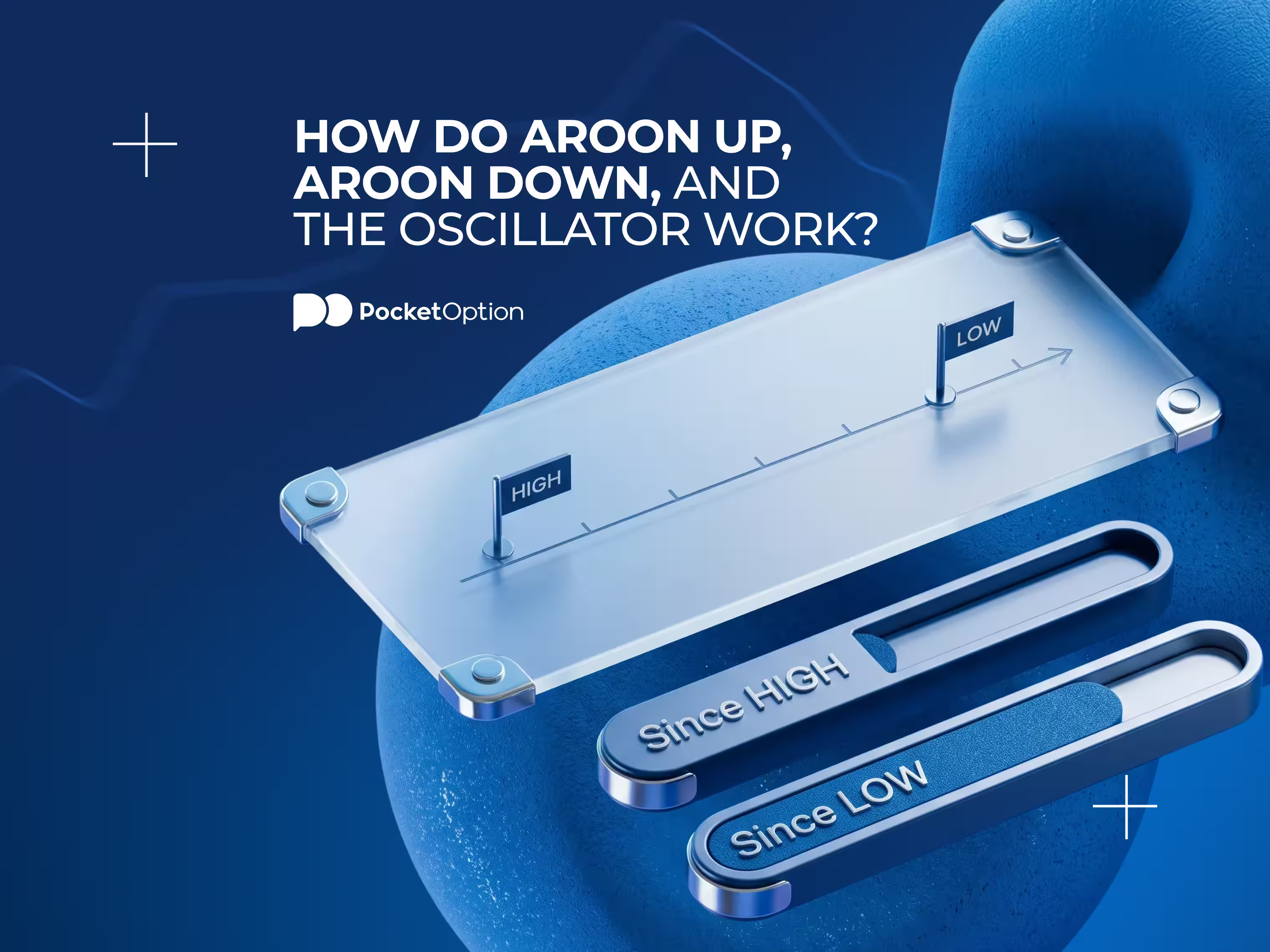
How Do Aroon Up, Aroon Down, and the Oscillator Work?
The aroon indicator uses two lines, Aroon Up and Aroon Down, to show how recently price hit a high or a low over a chosen period. This guide covers the formulas, how to read line crossovers, the Aroon Oscillator, and the indicator's limits.
 Albert RobertsonBearish
How Can the Gambler's Fallacy Affect Trading Decisions?
The gambler's fallacy is the mistaken belief that a series of past random outcomes changes the odds of what happens next. This guide covers the psychology behind the bias, two common examples, and how it can quietly shape trading decisions.
 Albert RobertsonBearish
Order Block vs Breaker Block: What's the Difference and When Each One Works
An order block is an area, a zone in which a trader built a position and thus prices show respect towards the area. A breaker block is the exact same zone, once it got broken and the support and resistance switched places. Trading in the exact same fashion the two concepts is the most frequent mistake traders make with either one.
 Albert RobertsonBearish
What Is Inducement in Trading? How Smart Money Sets the Trap Before the Real Move
Within the Smart Money Concepts framework, inducement is described as bait buried in the price action: an obvious level that traders expect will attract retail orders and stop placement before the real move develops. It is an interpretive lens rather than a proven mechanism, and this guide covers how SMC traders use it.

 Eric BriggsBearish
What Is Crypto Winter? How Prolonged Bear Markets Reshape the Market
If crypto prices are falling for months, and activity is thin, this is a 'crypto winter'. Distinct by its length and depth, it seems to happen on a cycle, and gets shallower every time. There are three past winters with patterns worth analysing.
 Albert RobertsonBearish
What Is a Short Squeeze? How Crowded Short Positions Can Explode
If a heavily shorted stock or asset rises quickly, short sellers might be forced to buy it back, to cover their short positions and limit their losses. This new buying pressure can push the price even higher. This is what is called a ‘short squeeze’, and understanding it can be rather important for trading.
 Albert RobertsonBearish
Safe Haven Assets – Where Traders Go When Markets Get Risky
When the expectations for the markets are negative, and risk sentiment is on the rise, capital often rotates into a handful of the so-called 'safe haven assets'. Investors and traders trust them to fall less than the rest. What are those assets and how do they work?