Currency Hedging with Forward Contracts: How Companies Manage Exchange Rate Risk
Currency hedging is how businesses protect a future foreign-currency payment from an unfavorable exchange rate move, and a forward contract is one of the most direct tools for doing it. Instead of waiting and hoping the rate stays favorable, a company locks in today's rate for a transaction that will not settle for weeks or months.

What Is a Currency Forward Contract
A currency forward contract is an agreement between two parties to exchange a specific amount of one currency for another at a fixed rate on a set future date. Unlike a spot trade, which settles almost immediately, a forward locks in terms now for a transaction that happens later.
Forward contracts are not traded on a public exchange. They are negotiated directly with a bank or broker, and once signed, both sides are obligated to complete the exchange at the agreed rate regardless of where the market actually moves.
How the Forward Rate Is Calculated
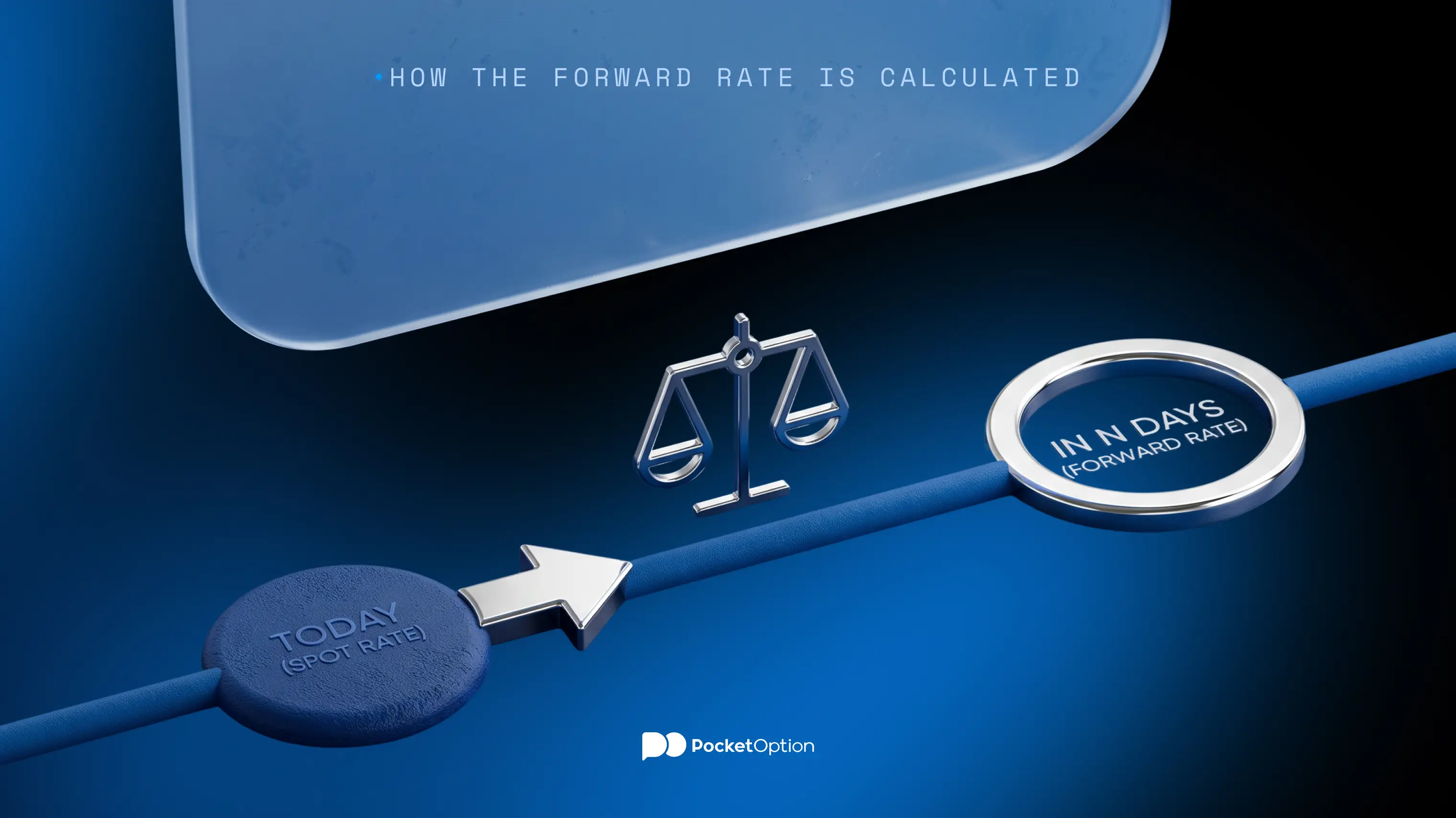
The forward rate starts with the current spot rate and adjusts it for the difference in interest rates between the two currencies involved, a relationship known as interest rate parity. A currency with a higher interest rate typically trades at a forward discount, while a currency with a lower interest rate trades at a forward premium.
In practice, this means the forward rate is rarely identical to today's spot rate. The gap reflects the cost of carrying one currency instead of the other over the life of the contract, not a prediction of where the exchange rate will actually end up.
Why Companies Hedge Currency Risk with Forwards
A business that knows it must pay a foreign supplier in three months has a real financial exposure: if that currency strengthens before payment is due, the same invoice costs more in the company's home currency. Locking in a forward rate removes that uncertainty entirely, turning a variable cost into a fixed, budgetable number.
This kind of protection matters most for companies with tight margins, since currency swings can erase profit on a deal that looked fine when it was first priced. It is one of several hedged instruments businesses use to manage financial risk beyond currencies alone.
A Worked Example: The Cost of Staying Unhedged
Suppose a U.S. company agrees to pay a European supplier 1,000,000 euros in 90 days. The spot rate today is $1.10 per euro, so the invoice would cost $1,100,000 at today's rate.
If the euro strengthens to $1.15 by the payment date and the company stayed unhedged, the same invoice now costs $1,150,000, a $50,000 increase driven entirely by the currency move, not the underlying deal. A company that locked in a forward rate near $1.11 would have paid close to $1,110,000 regardless of where the spot rate ended up.
See exchange rate risk in real time.
Try Free DemoForward Contracts vs FX Options
A forward contract is an obligation: both sides must complete the exchange at the agreed rate on the agreed date, no matter what the market does in between. An FX option works differently, giving the buyer the right, but not the obligation, to exchange currency at a set rate, in exchange for paying a premium upfront.
That difference has a real trade-off. A forward costs nothing to enter but locks in the rate completely, while an option costs a premium but leaves room to benefit if the currency moves in the company's favor instead.
When a Forward Contract Makes Sense
A forward contract fits best when a company knows the exact amount and timing of a future foreign-currency payment and simply wants certainty, not the chance to profit from a favorable move. Businesses budgeting tightly around a known future cost are the most natural fit.
It fits less well when the timing or amount of the future payment is uncertain, since the contract still has to settle even if the underlying transaction changes or falls through. Understanding the different types of forex trading available helps clarify where a forward sits relative to spot, futures, and options.
Conclusion
A currency forward contract trades flexibility for certainty, locking in today's rate for a payment that will not happen until later. For a business with a known future foreign-currency obligation, that certainty is often worth more than the chance of a favorable rate move, since a single adverse swing can erase a deal's entire margin.
Get comfortable with FX moves first.
Open Demo AccountDisclaimer: This article is for informational purposes only and does not constitute financial advice. Currency markets involve risk, and hedging strategies do not eliminate the possibility of loss.
See more:Glossary