Blog
 Albert RobertsonBearish
Measure Gearing Ratio to See How Much of a Company Is Built on Debt
Every company uses some combination of its own money and borrowed money to operate. The ratio between the two reveals how much of the business is financed by debt versus shareholders equity. That ratio is called the gearing ratio, and it is one of the most widely used measures of financial health in fundamental analysis. For traders, the concept matters beyond corporate balance sheets. The relationship between debt and equity in a company is structurally parallel to the relationship between margin and capital in a leveraged trading account. Understanding one illuminates the other.
 Albert RobertsonBearish
Let Working Orders Sit in the Book Until Your Price Hits
Not every trade is executed the moment it is placed. Some orders are submitted with a specific price attached, and they sit in the order book, waiting, until the market price reaches the requested level. These are working orders: the decision to wait for the price to come to you rather than chasing the current market price. This guide covers what a working order is, where it sits in the book, and how it compares to market, limit, and stop orders.
 Albert RobertsonBearish
Brent Crude Oil and How Brent Is Traded on Global Markets
If you have ever checked the news for energy prices, you have seen it mentioned: Brent crude rose today, or Brent oil fell sharply. Brent crude is the world's primary oil pricing benchmark, a reference point that sets the price for roughly two-thirds of all internationally traded crude oil.
 Albert RobertsonBearish
How Order Fills Work and When Your Trade Actually Enters the Market
You click "buy." The order is sent. But when does your trade actually become real? That moment, when your order is matched with a counterparty and becomes an executed trade, is called the fill. This guide explains what an order fill is, the difference between full and partial fills, what causes slippage, and how Fill-or-Kill orders work.
 Albert RobertsonBearish
Roll Positions with Tom‑Next Forex Transactions
You hold a forex position overnight. The next morning, it was still open, but something happened behind the scenes: your position was rolled over. That rollover happens through a mechanism called Tom-Next (short for "tomorrow-next day"), a short-term forex transaction that lets traders keep positions open past the standard settlement date without ever taking physical delivery of the currency. This guide explains what Tom-Next means, why forex settles on a T+2 cycle, and how the swap works.
 Albert RobertsonBearish
Spot When You Are Overexposed and Cut Trading Risk in Time
You see a trade that looks too good to pass up, so you increase your position size, maybe add some leverage, and add more as it moves in your favour. Then the market turns, and a small pullback wipes out a huge chunk of your account. That is overexposure: when your risk is too large relative to your account size, not just about losing money but losing more than you can afford or recover. This guide explains what overexposure means, how it builds up, and how to spot the warning signs.
 Rudy ZayedBearish
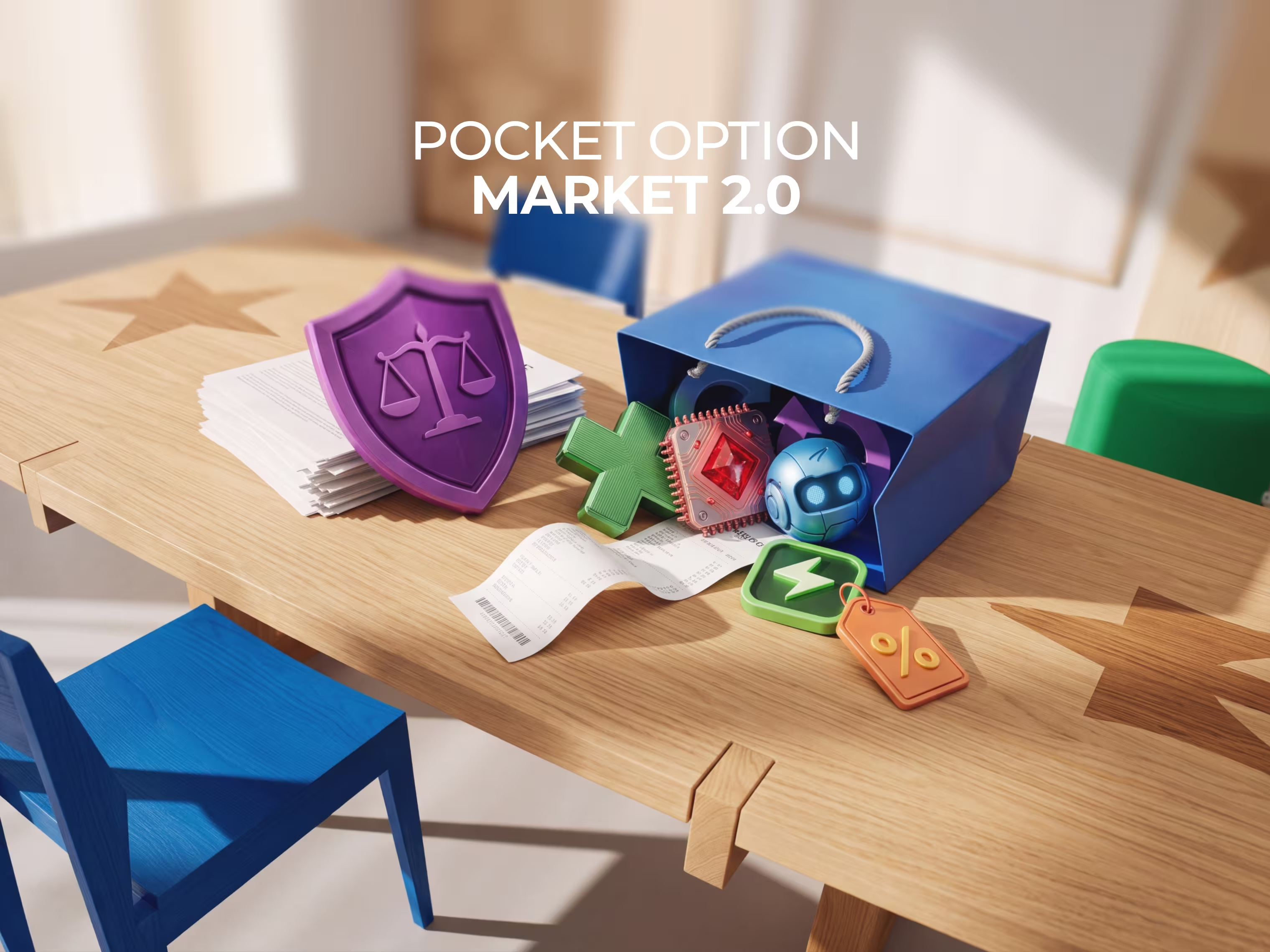
Pocket Option Market 2.0: What's New?
Market 2.0 introduces Gold, a new currency for obtaining trading items on Pocket Option, alongside three confirmed ways to earn it and an updated interface with filters and Favorites. This guide covers what actually changed, how to get and use Gold, and what to check before using any Market item.
 Rudy ZayedBearish
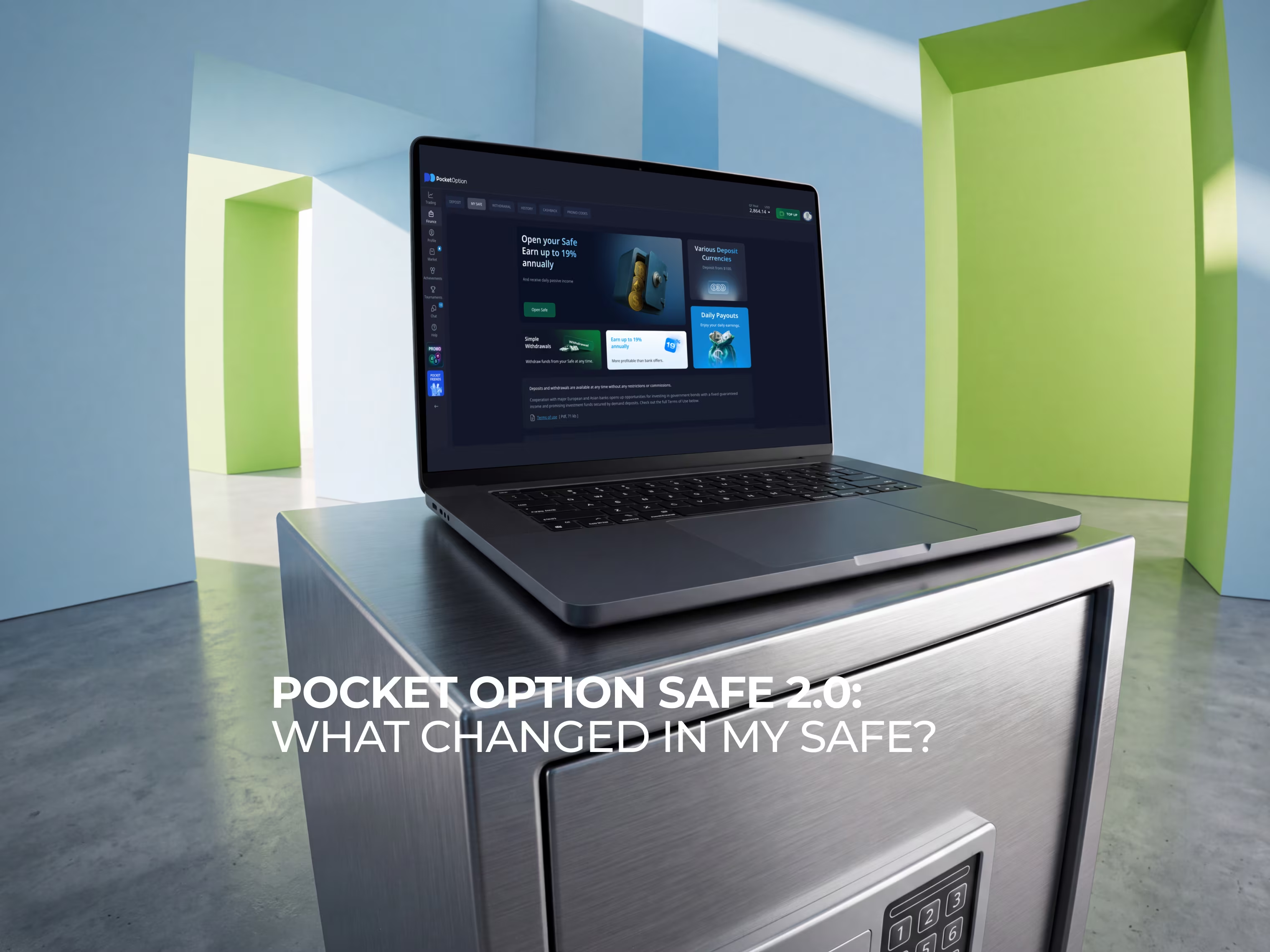
Pocket Option Safe 2.0: What Changed in My Safe?
Safe 2.0 updates My Safe with a rate of up to 19% annually, the ability to increase that rate through trading activity, deposits and withdrawals available anytime, and daily payouts. This guide covers each confirmed change and how to use the updated feature.
 Albert RobertsonBearish
What an Open Position Really Means for Your Live Risk
You place a trade and it fills. For as long as it stays open, you are exposed to the market: every price tick changes your potential profit or loss, whether you are watching the screen or not. That is what an open position is, a trade that is still active and exposed to market movements, the opposite of a trade that has been realised, or closed. This guide explains what an open position is, how floating P&L is calculated, and why it means real, live risk.
 Albert RobertsonBearish
What Is Fair Value and How Do Traders Use Fair Value in Pricing?
If you have spent any time looking at trading charts, you have probably heard the term fair value thrown around. The answer is surprisingly split: in one context, it is a theoretical price calculated by quants and institutional traders; in another, it is a visual pattern on a price chart called a Fair Value Gap (FVG), which most active traders actually care about.
 Albert RobertsonBearish
What Is Open Interest in Trading?
A parking lot tells you two different things depending on which number you check. Count how many cars are parked right now and you get one number, a snapshot of who is still there. Count how many pulled in and out over the whole day and you get a different number, possibly much higher even if the lot never filled up. Trading has a version of that same split, one number counting what's still open, another counting everything that moved.
 Albert RobertsonBearish
Who a Taker Is and How Takers Remove Liquidity from the Order Book
Every time you place a trade on an exchange, you are either adding liquidity to the market or taking it away, and this distinction matters for your trading costs. If your fees seem higher than expected, the answer often lies in one question: are you a maker or a taker? This guide explains who a taker is, how taker orders remove liquidity, and why takers generally pay higher fees.
 Albert RobertsonBearish
What Does Retracement Mean and How Do Retracements Work in Price Action?
You're watching a strong uptrend, then the price suddenly drops. Do you buy the dip, or is the trend over? It depends on whether this is a retracement or a reversal: get it wrong and the market turns against you; get it right and you enter at a better price. This guide covers what a retracement means, why it happens, and how traders use Fibonacci levels to find entries.
 Rudy ZayedBearish
How to Start with Forex Trading: Applying Forex Strategies with Pocket Option Currency Pairs
Forex trading is conducted on the biggest financial market in the world. In excess of $7 trillion worth of money is traded on a daily basis on the foreign exchange market by different currencies, different time zones and different players. It might be frightening because of its magnitude but if you wonder how to start with forex trading, reading this article might be helpful for you. Just keep going.
 Rudy ZayedBearish
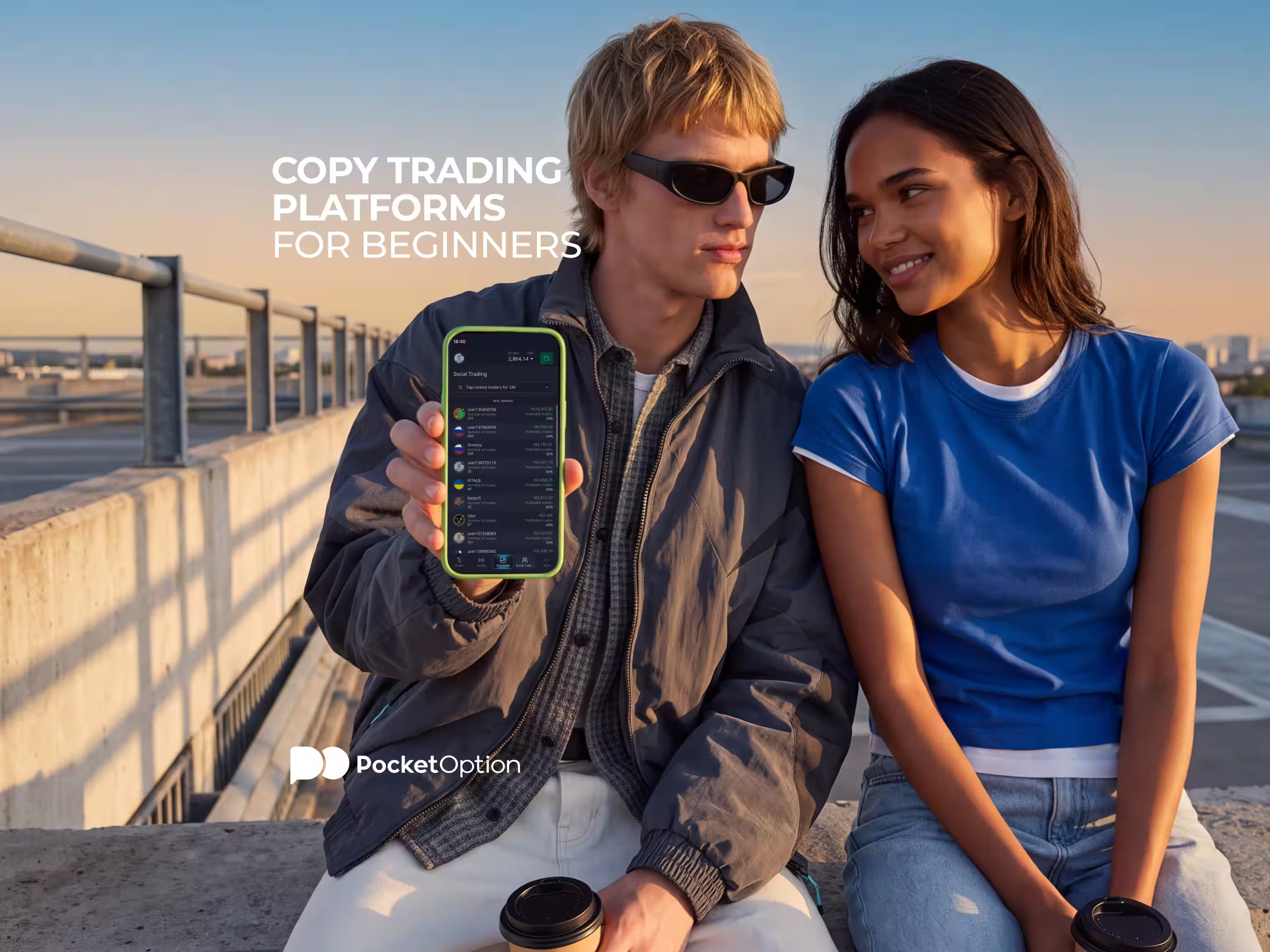
Best Copy Trading Platforms for Beginners: How to Use Pocket Option Copy Trading Safely
The concept of copy trading sounds pretty good: rather than having to learn how to trade, the newbie just picks up a skilled trader and duplicates all his/her trades. This is done by the platform; the analysis is done by the duplicated trader. All the newbie has to do is pick one, manage risks and be careful with his/her funds. It is here that most beginners underestimate the complexity of things. Following a successful trader does not reduce the risk in any way. The analysis part will be delegated to another person, but the funds you will be risking will still belong to you. The article tells about copy trading, what features to look for in the best copy trading sites for beginners, and how to set up Social Trading on Pocket Option.
 Albert RobertsonBearish
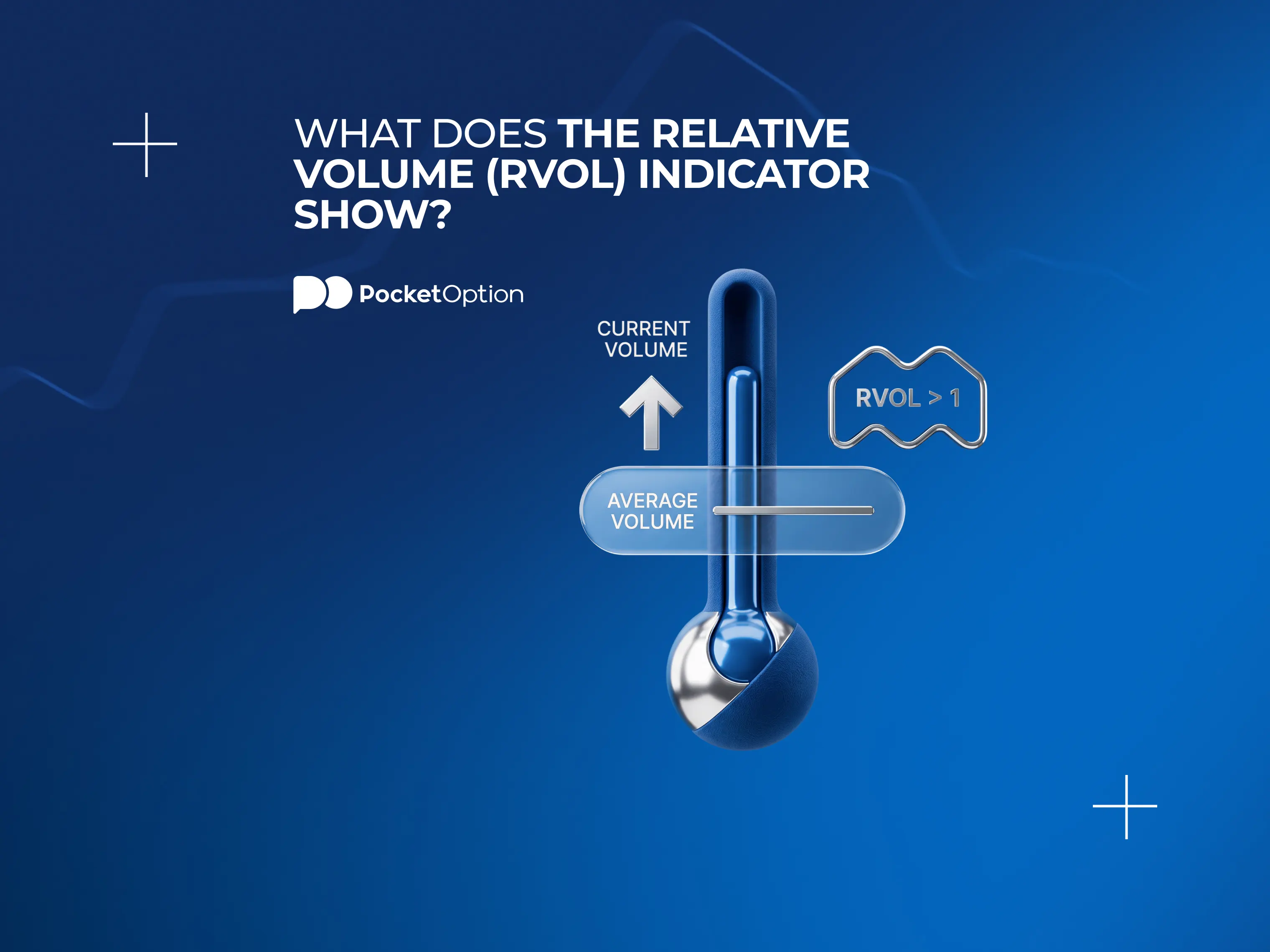
What Does the Relative Volume (RVOL) Indicator Show?
Relative volume compares current trading activity to an instrument's typical level, using the formula current volume divided by average volume. This guide covers the formula, how to read values above and below 1, how RVOL differs from regular volume, and its limits.
 Eric BriggsBearish
What Are Smart Contracts? How They Power DeFi and Affect Crypto Trading on Pocket Option
Behind every DeFi protocol, token swap, or staking reward is a piece of code that does things automatically when a set of conditions is met. It is called a smart contract. It works essentially like a legal document bound to blockchain, governing its rules. This guide explains what are smart contracts, how they work, and how they can move prices of cryptos traded on Pocket Option.
 Rudy ZayedBearish
How Do Trading Rewards Work on Pocket Option?
Trading Rewards gives Pocket Option users a way to earn Gold, gems, and other rewards for regular activity, whether trading normally, using Social Trading, or AI Trading. This guide covers how the mechanic works, how XP and loyalty level affect it, and what to check before using a reward.
 Eric BriggsBearish
Crypto Stocks: How to Trade Stock-Linked Crypto Exposure on Pocket Option
The value of a crypto token can drop sharply overnight. This is why some traders who want exposure to the crypto ecosystem and blockchain technology hold top crypto stocks instead. This equity is traded on regulated exchanges, has earnings reports, and the stock price can be tracked with the rest of portfolio. Crypto stocks is one of the best ways to participate in the growth of the crypto sector through traditional instruments.
 Eric BriggsBearish
What Is Cryptocurrency? A Basic Guide and Trading Cryptocurrency on Pocket Option
Cryptocurrency has evolved from being an experiment amongst cryptographers to a multi-trillion dollar asset class which is traded constantly across the globe on all seven continents. This guide offers you an easy-to-understand definition of what is cryptocurrency, describes how new coins are generated, and describes how you can start trading BTC, ETH, SOL, and other crypto coins right on Pocket Option.
 Albert RobertsonBearish
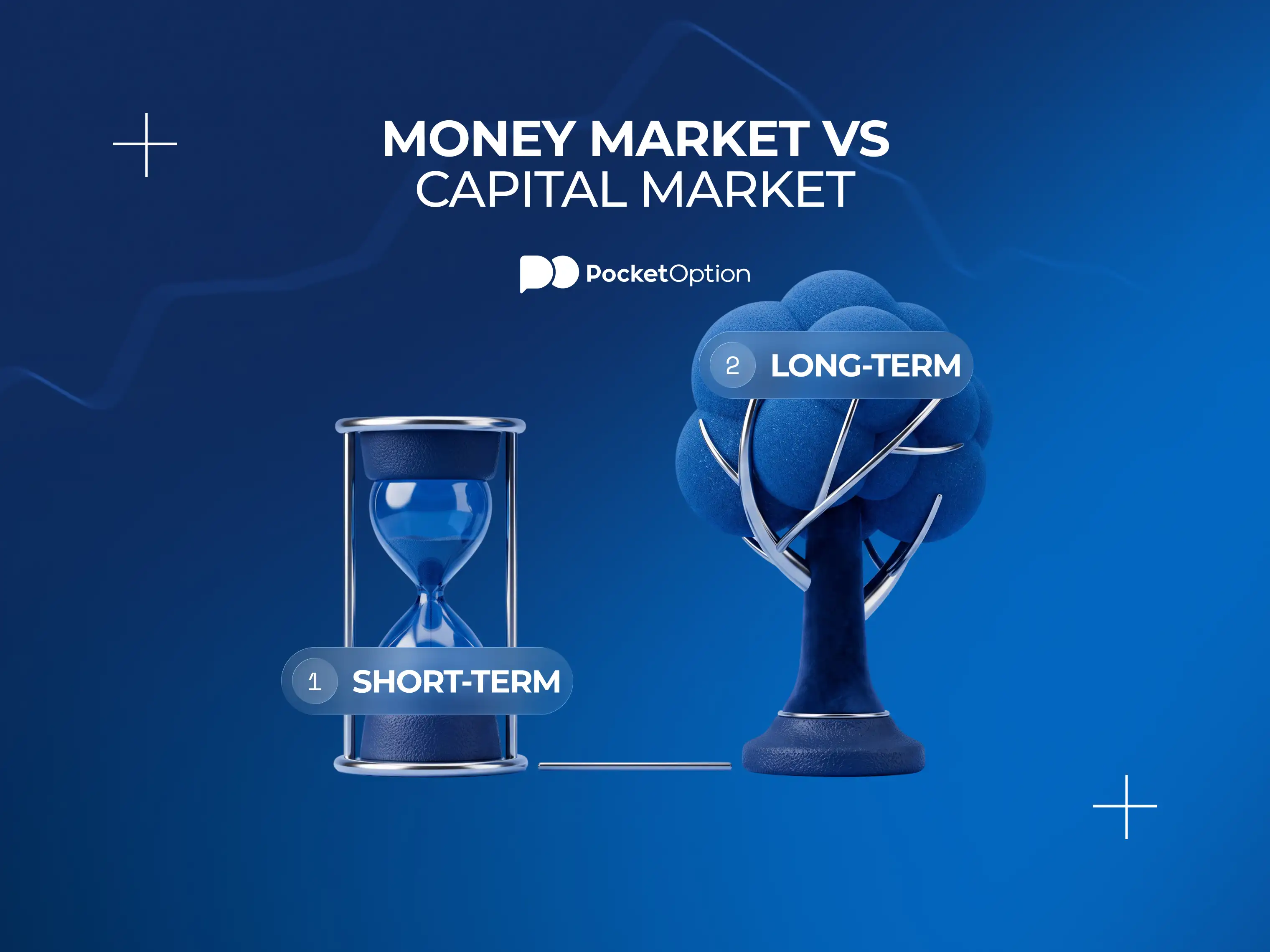
Money Market vs Capital Market: How Short- and Long-Term Instruments Translate into Pocket Option Assets
All financial instruments have their places on a time line. On one extreme are short-term investments, which are meant to mature in one year’s time and whose main considerations are safety and liquidity. On the opposite extreme are long-term investments, which have the objective of raising or putting out capital over a number of years and decades. The first category is known as the money market, and the second are the capital markets.
 Rudy ZayedBearish
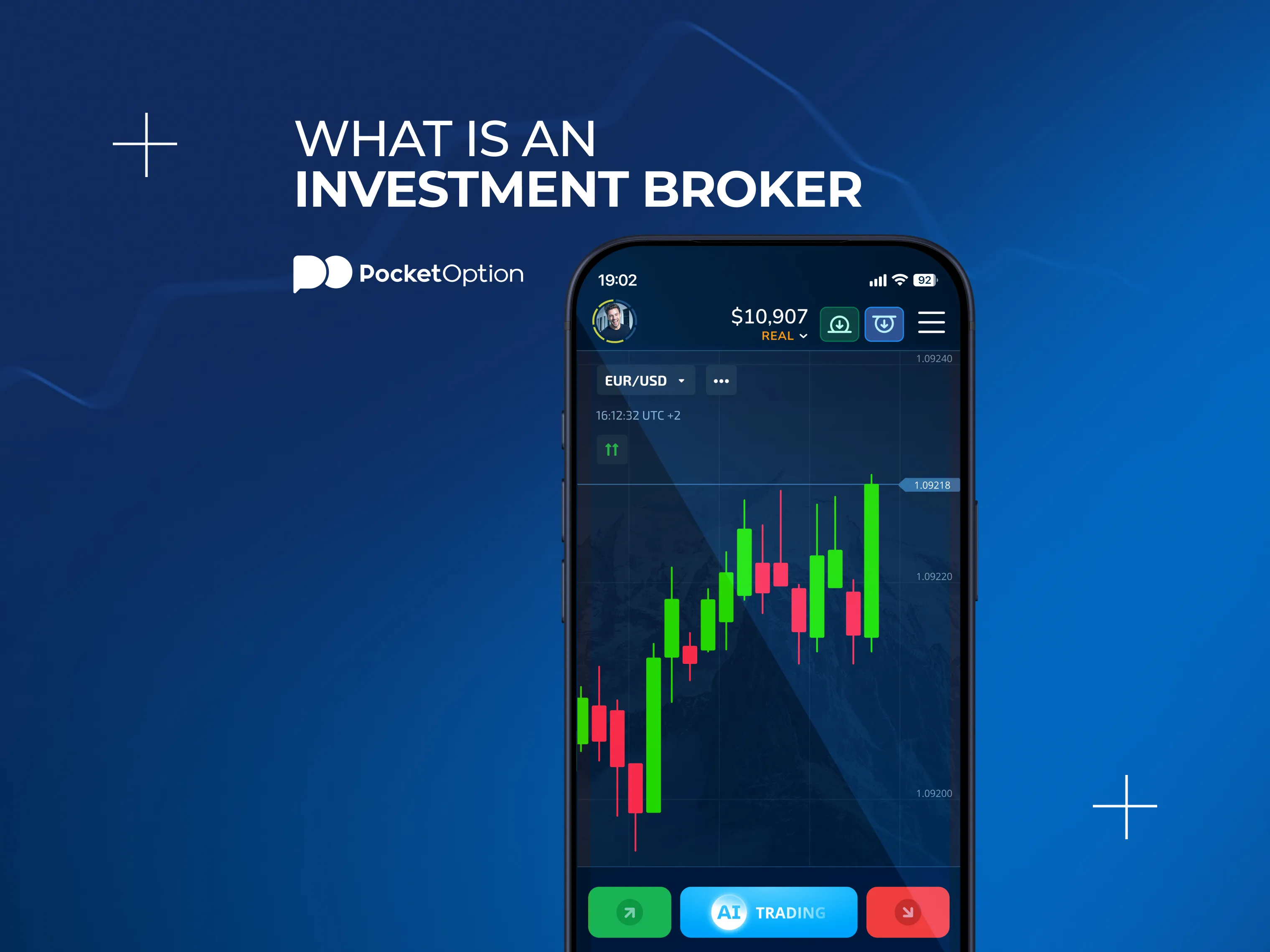
Investment Broker: How Pocket Option Fits into Your Choice of Trading Platforms
The wide expansion in the context in which the word “broker” is used means that it no longer has a precise definition. A wealth management firm, an execution venue, and even a mobile application for buying fractional shares are all classified as “broker”, even if these serve widely different purposes and are regulated differently. Below we will look closer at what an investment broker is, see the difference between the categories, understand the criteria for choosing a trading platform, and then assess how Pocket Option fits into this picture, what it provides, what it doesn't, and whether you need it.
 Albert RobertsonBearish
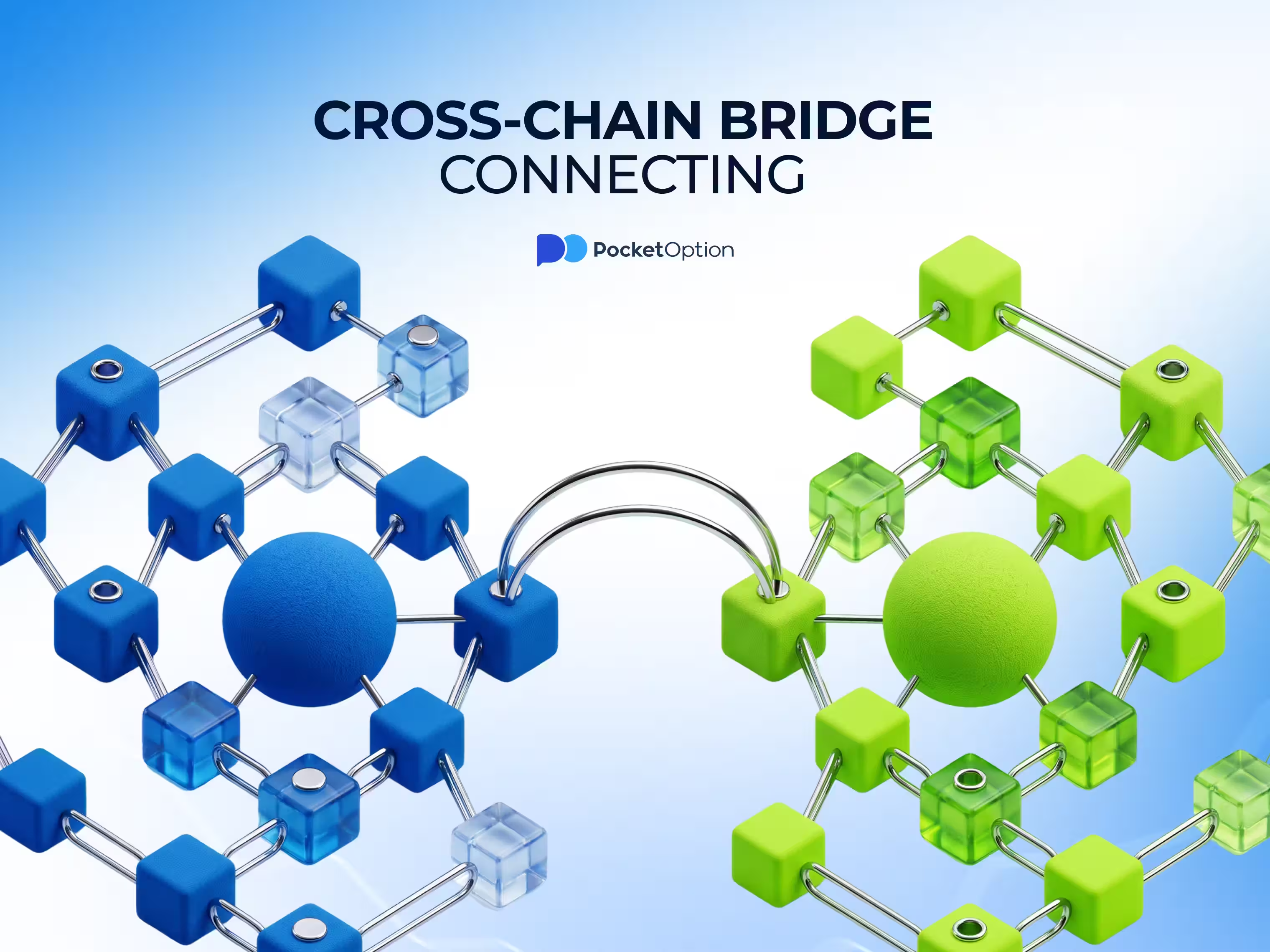
How Cross‑Chain Bridges Move Assets Between Blockchains
Imagine holding USDC on Ethereum and wanting to use it on Solana. You cannot just send it: the two blockchains do not speak the same language, each with its own rules and consensus mechanism. Cross-chain bridges are protocols that connect isolated blockchain networks, letting assets and data move from one chain to another.
 Albert RobertsonBearish
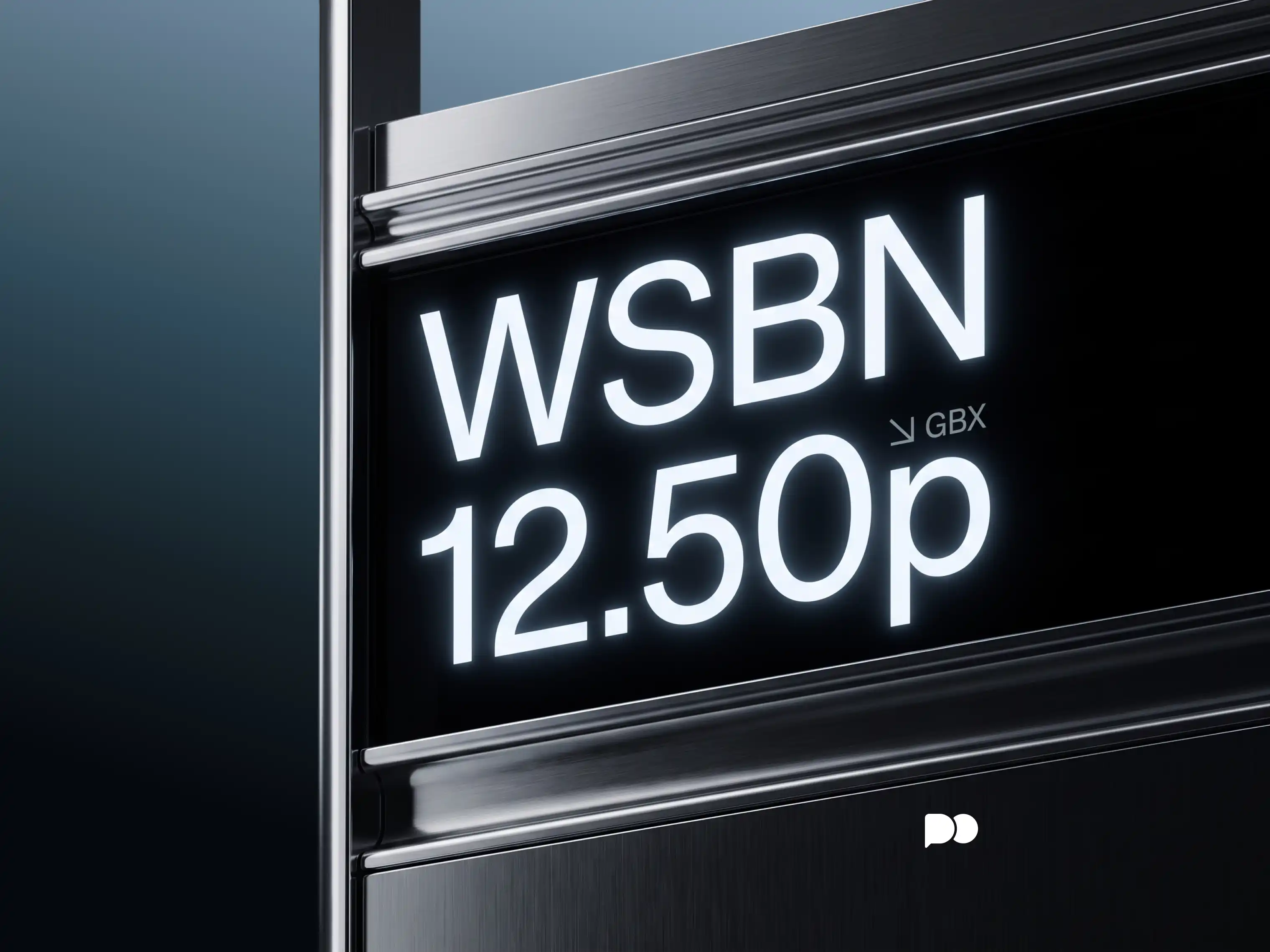
How Wishbone Gold Share Price Is Quoted on the Market
Wishbone Gold shares can show very different numbers depending on where you look, because the stock trades on London's AIM market, where prices are quoted in pence (GBX), not pounds: one GBX equals one penny, or 1/100 of a pound. This guide covers what the company does, how its quote works, and why the price can move sharply.