Roll Positions with Tom‑Next Forex Transactions
You hold a forex position overnight. The next morning, it was still open, but something happened behind the scenes: your position was rolled over. That rollover happens through a mechanism called Tom-Next (short for "tomorrow-next day"), a short-term forex transaction that lets traders keep positions open past the standard settlement date without ever taking physical delivery of the currency. This guide explains what Tom-Next means, why forex settles on a T+2 cycle, and how the swap works.

What Is Tom-Next: Definition
Tom-Next is a short-term forex transaction in which a currency pair is simultaneously bought and sold with two different value dates: tomorrow (Tom) and the day after tomorrow (Next). It is essentially a one-day FX swap: the trader sells the currency for delivery tomorrow and simultaneously buys it back for delivery the next day, or vice versa. Since most currency traders are speculators with no intention of taking physical delivery, Tom-Next lets them extend a position indefinitely without ever settling it.
Why Forex Settles on a T+2 Cycle
In the underlying spot forex market, transactions typically settle two business days after the trade date, the T+2 cycle, because forex is an over-the-counter market and banks need time to process and confirm transfers between accounts. A trade placed Monday settles Wednesday. Some pairs, like USD/CAD, settle on a T+1 basis instead, but T+2 is standard for most majors. If you hold a position past settlement, Tom-Next moves that date forward by one day, every day, so the position never actually settles.
How a Tom-Next Swap Works
Most brokers apply the rollover at 5:00 PM New York time. If you hold a position past this point, your broker simultaneously closes it for delivery tomorrow and reopens an equivalent position for delivery the day after, rolling it forward by one business day. The difference between the two legs, the price at which you sell tomorrow versus the price at which you buy back the next day, is the Tom-Next adjustment rate, which determines whether you are charged or credited for holding the position overnight. For example, buying €100,000 at a EUR/USD price of 1.1378 and rolling it to a new spot of 1.13805 means paying 2.5 points, or 2.5 × $10 = $25 for a standard lot.
Tom-Next vs Overnight Rollover
Tom-Next and "overnight rollover" are often used interchangeably, but Tom-Next is the mechanism, the specific swap that moves a position forward, while overnight rollover is the result, the process of extending a position past the daily cut-off. The rollover charge consists of Tom/Next swap points, derived from the interest rate differential between the two currencies, plus financing on any unrealised profit or loss. If you are buying a currency with a higher interest rate than the one you are selling, you generally receive a payment; if lower, you generally pay one, a cost also known as the cost of carry.
Tom-Next in Practice
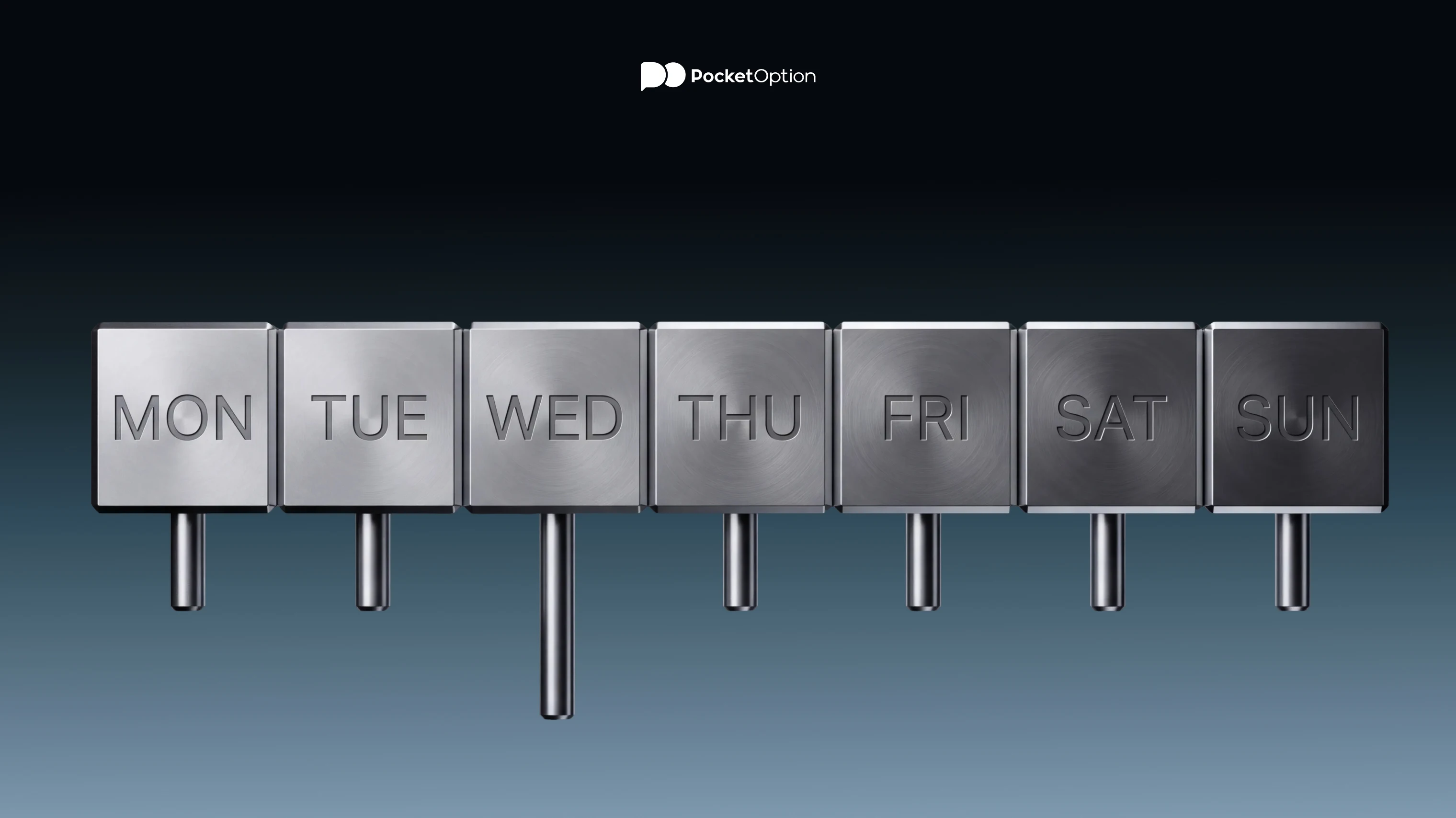
Because forex settles on a T+2 basis, holding a position through Wednesday night means the settlement date falls on a Saturday, so brokers typically charge three days of swap instead of one to cover the weekend, known as triple swap Wednesday. Swap charges also accumulate over longer holding periods, and carry traders specifically seek out positive swap rates by funding a low-interest currency to buy a higher-interest one. Traders who close all positions before the daily rollover point never incur a swap charge at all.
Conclusion
Tom-Next is a short-term forex swap that rolls a position forward from one business day to the next, existing because forex trades settle on a T+2 cycle. The difference between the swap's two legs determines whether you pay or receive interest overnight, and holding through a Wednesday night typically triggers a triple swap charge to cover the weekend.
Risk Disclaimer: Trading involves significant risk of capital loss. This article is for educational purposes only and does not constitute financial advice. Always conduct independent research and consider your risk tolerance before making any trading decisions.
on a Demo Account of Pocket Option.
Open Demo AccountSee more:Glossary