Blog
 Albert RobertsonBearish
Commodity Currencies Explained: AUD, CAD and NZD
Tie a kite to a string and it generally follows wherever you tug, climbing when you pull, dipping when you let out slack. But the wind is doing plenty of the actual work too, and on a gusty day the kite can dive, twist, or climb almost independent of anything happening at your end of the string. A handful of currencies work something like that kite. Something else, a commodity price, pulls on the string. The wind, everything else moving in the economy, decides how much that pull actually matters on any given day.
 Albert RobertsonBearish
Range Trading Strategy
A squash ball spends most of a rally bouncing between two walls, predictable, almost boring to watch until someone drives it wide and it leaves the court entirely. Price does something similar for long stretches on plenty of charts. It bounces between a floor and a ceiling, tests each side, drifts back, tests again, right up until it does not.
 Eric BriggsBearish
Perpetual Futures Explained
Rent a car for the weekend and you know exactly when you are handing back the keys. Saturday morning, done, no negotiating. Some contracts never bother with that return date at all. You can hold the position for an afternoon or three years, nobody is calling you Saturday morning demanding the keys back. The catch is there is no such thing as a free ride that never ends. Something has to keep the arrangement honest instead of a calendar date, and that something is a small recurring payment most beginners have never heard of until it shows up on their account.

 Diego FernándezBearish
Best Trading Platforms in Nigeria
Choosing among trading platforms in Nigeria comes down to a handful of practical checks: regional availability, demo access, deposit and withdrawal methods, fees, and support. This guide compares well-established platforms side by side, explains the difference between an app, a web platform, and a broker, and covers the mistakes that trip up most beginners.
 Albert RobertsonBearish
CRWV Stock Forecast 2030
CoreWeave sits at the center of the AI infrastructure build-out, but a coreweave stock forecast through 2030 depends on real, checkable factors, not hype. This guide covers how the business makes money, what drives analyst price targets, the Nvidia relationship, and bull, base, and bear scenarios worth watching instead of a single guaranteed number.
 Eric BriggsBearish
Stablecoin Depeg Explained
Tie a boat to a dock with a solid line and it barely drifts, however choppy the water gets. Fray that line and the boat goes wherever the current decides. A stablecoin runs on the same logic, except the dock is one dollar and the line is trust plus a redemption promise. Nobody thinks about the line on a calm day. Then one weekend it goes slack, the coin prints 87 cents, and a quiet corner of crypto becomes the loudest headline around.
 Eric BriggsBearish
Bitcoin Long/Short Ratio Explained
Every open futures position is basically a vote. Long is a vote that price climbs. Short is a vote that price falls. Add up every vote on Bitcoin at a given moment and you get one number: the long/short ratio. It will not tell you who wins. It only tells you which way the crowd currently leans, and crowds get it wrong more often than traders like to admit.
 Albert RobertsonBearish
ATR Trailing Stop Loss Swing Trading Strategy
Give a dog too little leash and it chokes itself on every twitch. Give it too much and it wanders into traffic. A stop loss that trails a trade works on the same logic, except the dog is your open position and the leash length needs to match how much the market is actually moving, not some fixed number you picked out of habit.
 Albert RobertsonBearish
Margin Call Formula for Forex Traders
Your phone buzzes. Margin call. Your stomach drops before you even open the app. Here is the thing nobody tells beginners: that notification is not the disaster. It is the warning shot before the disaster, and usually there is more time to react than the panic suggests.
 Albert RobertsonBearish
Mean Reversion Trading Strategy
Price rarely sits still. It stretches, overshoots, then often drifts back toward some middle ground. That pull toward the average is one of the oldest ideas in reading a chart. Not every move reverses, some runs just keep going. But traders who watch range-bound conditions notice a pattern: when price gets yanked far from its typical level, the odds of at least a partial snap back tend to rise.
 Albert RobertsonBearish
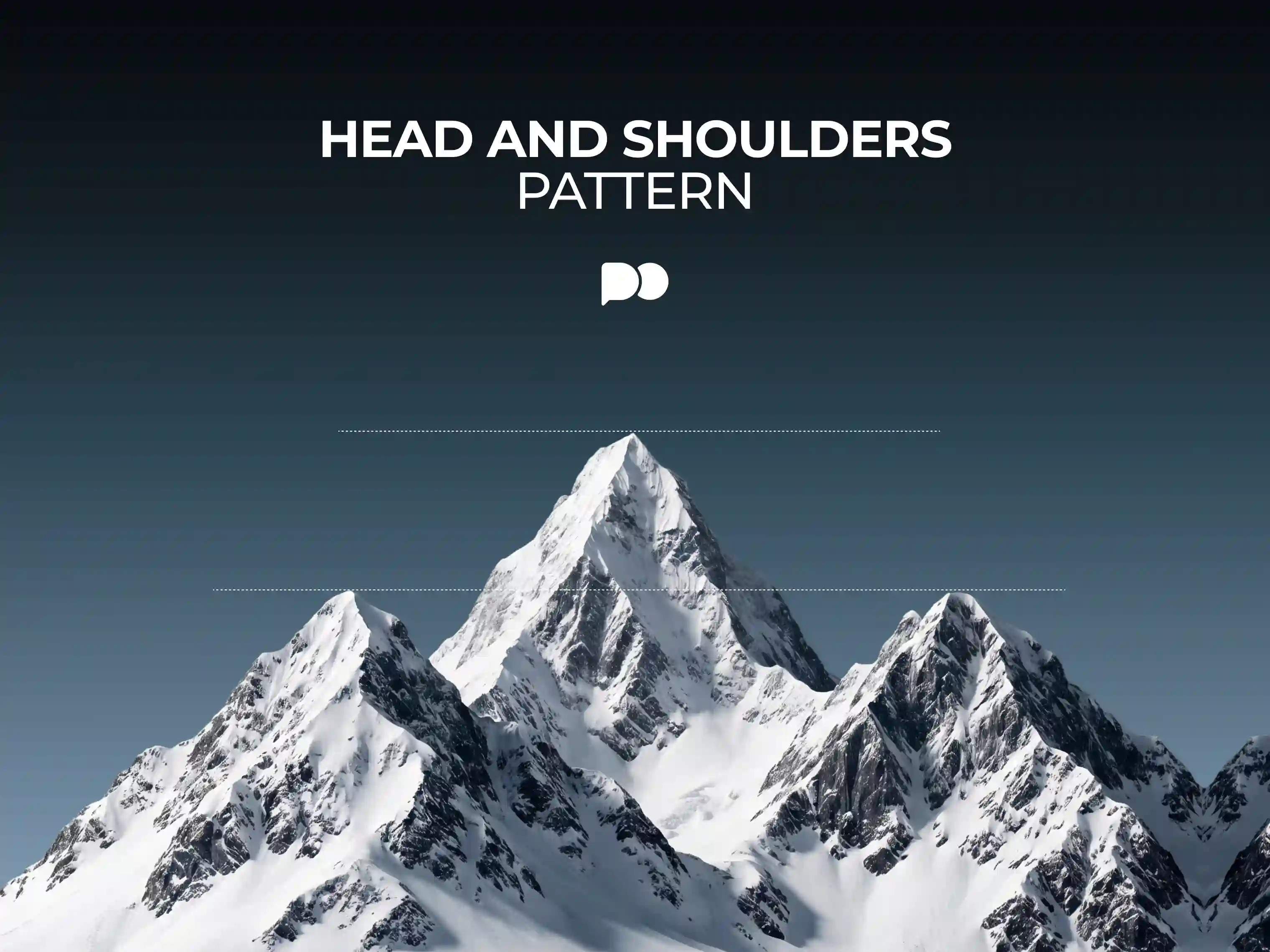
Head and Shoulders Pattern: Trading Strategy and Confirmation Signals
Chart patterns can feel like tea-leaf reading. Then one plays out right in front of you, and the doubt fades. This formation is the one that converts skeptics. Clear shape. Clear trigger. A clear way to plan a trade around it. So this guide stays simple. What the pattern is, how to read the neckline, which signals actually confirm it, and where a trader might enter, park a stop, and take profit.
 Albert RobertsonBearish
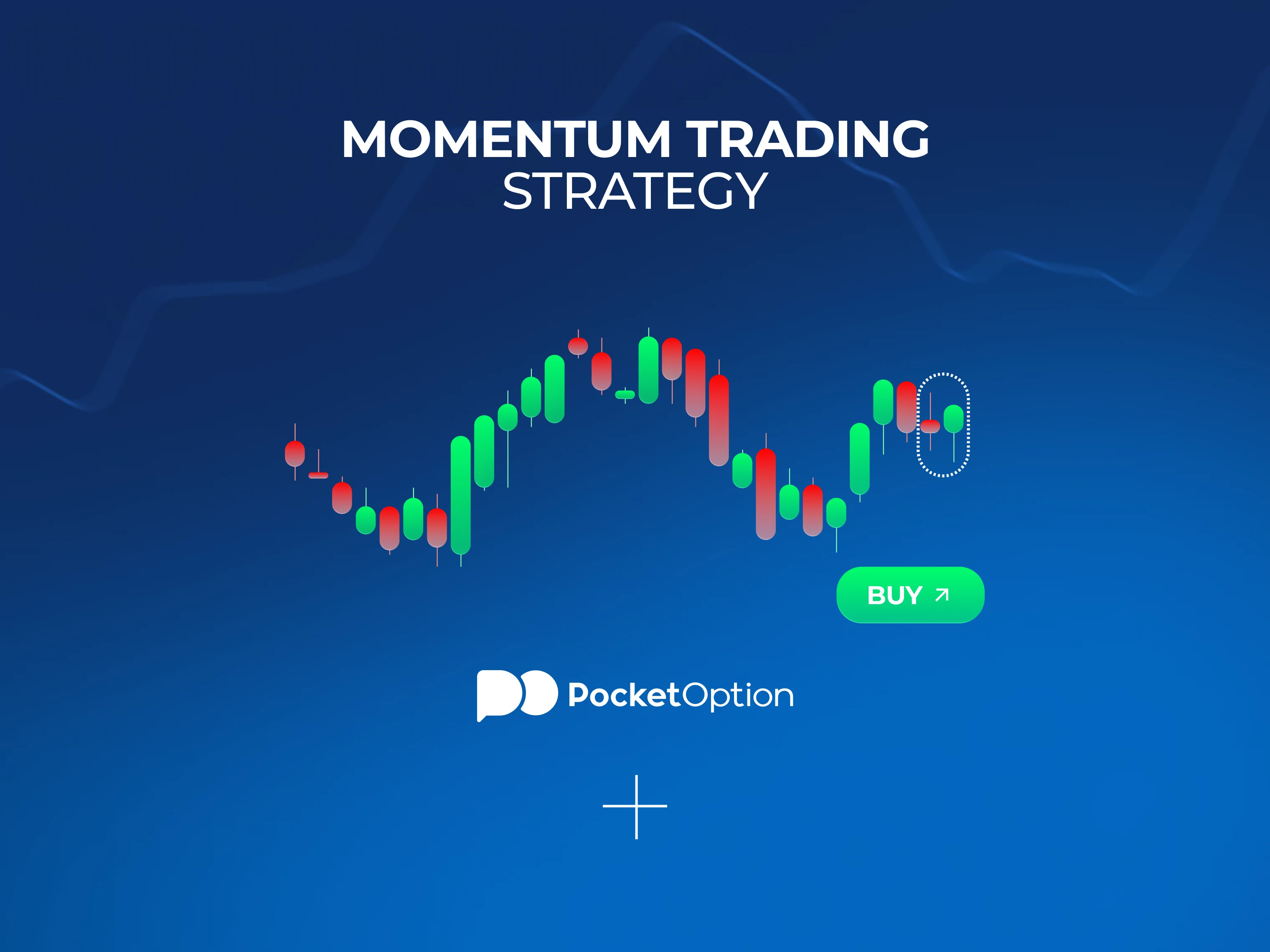
Momentum Trading Strategy
Some traders wait for a market to settle. Others chase the opposite: the loud, fast, high-conviction move everyone is watching. That second group is trading on momentum. The idea sounds simple, ride strength while it lasts, but doing it well takes more than jumping on a green candle. This guide covers how the approach works, which tools confirm a move, and where beginners get burned.
 Eric BriggsBearish
Crypto Liquidations Explained
Hang around crypto derivatives for a while and one word keeps surfacing whenever the market lurches: liquidations. Hundreds of millions gone in minutes, price candles spiking or collapsing right alongside them. To a newcomer it looks dramatic, even frightening. Yet the machinery underneath is surprisingly plain once you take it apart. This guide unpacks how it works, why it matters, and the habits traders use to keep their distance.
 Diego FernándezBearish
How to Start Trading in Nigeria: A Beginner's Guide
Spend a day in Lagos or Abuja and you will spot people checking price charts on their phones between meetings and errands. Trading has gone mainstream in Nigeria, driven by a young, connected population and easy mobile access. The pull is clear: global markets in your pocket, a tiny amount to begin, a real skill on offer. But here is the catch. Dive in with no plan and the losses come quick. This guide lays out the path step by step, from choosing a platform to funding your first account, so you start on solid footing instead of guessing.
 Diego FernándezBearish
Best Trading App in Kenya: A Beginner's Guide to Online Trading
In Kenya, a huge chunk of everyday money already moves by phone. So of course online trading took the same road, straight to the mobile screen. Thinking of starting? Then the app you pick matters more than you would guess. This guide breaks it down: how trading works, what a solid app should give you, and the risks worth knowing before you begin.
 Diego FernándezBearish
Revenge Trading Explained
You take a loss. It stings. So instead of stepping back, you slam into another trade to claw it back, bigger this time. That impulse has a name, and it has blown up more accounts than almost any strategy error ever will. Here is the upside though: spot the pattern and you can kill it. Below is how it starts, what it drains, and how to shut it down.
 Albert RobertsonBearish
Forex Spread Explained: Costs, Calculation and Trading Impact
Every forex trade starts with a small built-in cost. You will not see a fee line for it. It hides in the two prices your broker quotes, and it is there on every single trade you place. Learn to read it and you understand one of the biggest hidden costs in trading. Ignore it and it quietly eats your profits.
 Albert RobertsonBearish
Slippage in Trading Explained: Causes, Risks and Prevention
You click buy at one price. It fills at another. That gap has a name. And across hundreds of trades, it quietly chews through your results. Once in a while it helps you. Mostly it does not. So let us break down what causes it, how it hits your money, and how to keep it small.
 Rudy ZayedBearish
What Is USDT TRC20 and How Does It Work?
Send USDT the wrong way and it can be gone for good. Send it over TRON and it shows up in seconds for pennies. Same dollar-pegged coin, totally different rails underneath. That mix is why the TRON version blew up as a way to move Tether. So here is the whole picture: what it is, how it runs, how it compares to other networks, and how to buy and move it without an expensive slip.
 Albert RobertsonBearish
Airdrop Farming Guide for Beginners
A project hands out free tokens just for using it early. Sometimes those tokens end up worth hundreds, even thousands of dollars. That is the dream. It is also what pulls people toward airdrops in the first place. But under the hype is an actual strategy, with steps to follow and ways to lose. This guide is for beginners: how it works, where to look, how not to get burned.
 Eric BriggsBearish
What Is Altcoin Season?
Crypto never climbs in a clean line. It comes in waves. Bitcoin runs first. The headlines pile up. Then, every so often, the money spills out into hundreds of smaller coins that rip higher all at once. That second wave has a name, and there is a simple index built to catch it in the act. Both are covered below, no jargon.
 Albert RobertsonBearish
Liquidity in Trading: Complete Guide
No trade happens without a counterparty. Plenty of buyers and sellers around? Your order fills the moment you click, at a fair price. Hardly any? You wait, or you overpay. That single difference has a name, and it shapes nearly everything about how a market acts. Here it is in plain language: what it is, why it matters, where it hides on your charts.
 Diego FernándezBearish
What Is the Fear and Greed Index?
Spreadsheets do not move markets. People do. And people get scared, then greedy, often at the worst possible time. Everybody panics at once and prices crater. Everybody piles in and they rip higher. The Fear and Greed Index sticks a number on that mood, so the emotion driving it stops being a vague feeling and becomes something you can actually glance at.
 Albert RobertsonBearish
Understanding Intrinsic Value in Investing
The price on a screen and what something is actually worth are two different numbers, and in markets they rarely line up. A stock might trade at 50 dollars while the business behind it is worth far more, or far less. Spotting that gap before the rest of the crowd does is the core of fundamental investing.