325






 Albert RobertsonGiảm giá
What is an iceberg order? It's a large order split into a small visible portion and a much larger hidden portion, designed to let big traders buy or sell size without revealing their full hand to the rest of the order book.
 Albert RobertsonGiảm giá
Currency hedging is how businesses protect a future foreign-currency payment from an unfavorable exchange rate move, and a forward contract is one of the most direct tools for doing it. Instead of waiting and hoping the rate stays favorable, a company locks in today's rate for a transaction that will not settle for weeks or months.
 Albert RobertsonGiảm giá
What are capital expenditures, and why do they matter to anyone evaluating a stock? Capital expenditure meaning, in short, is money a company spends on long-term physical assets like property, equipment, or technology, rather than on its day-to-day operating costs.
 Albert RobertsonGiảm giá
Chaikin money flow measures buying and selling pressure by combining where price closes within its high-low range with volume. This guide covers the formula, positive and negative readings, divergence, and how CMF differs from the Money Flow Index.
 Albert RobertsonGiảm giá
The aroon indicator uses two lines, Aroon Up and Aroon Down, to show how recently price hit a high or a low over a chosen period. This guide covers the formulas, how to read line crossovers, the Aroon Oscillator, and the indicator's limits.
 Albert RobertsonGiảm giá
The gambler's fallacy is the mistaken belief that a series of past random outcomes changes the odds of what happens next. This guide covers the psychology behind the bias, two common examples, and how it can quietly shape trading decisions.
 Albert RobertsonGiảm giá
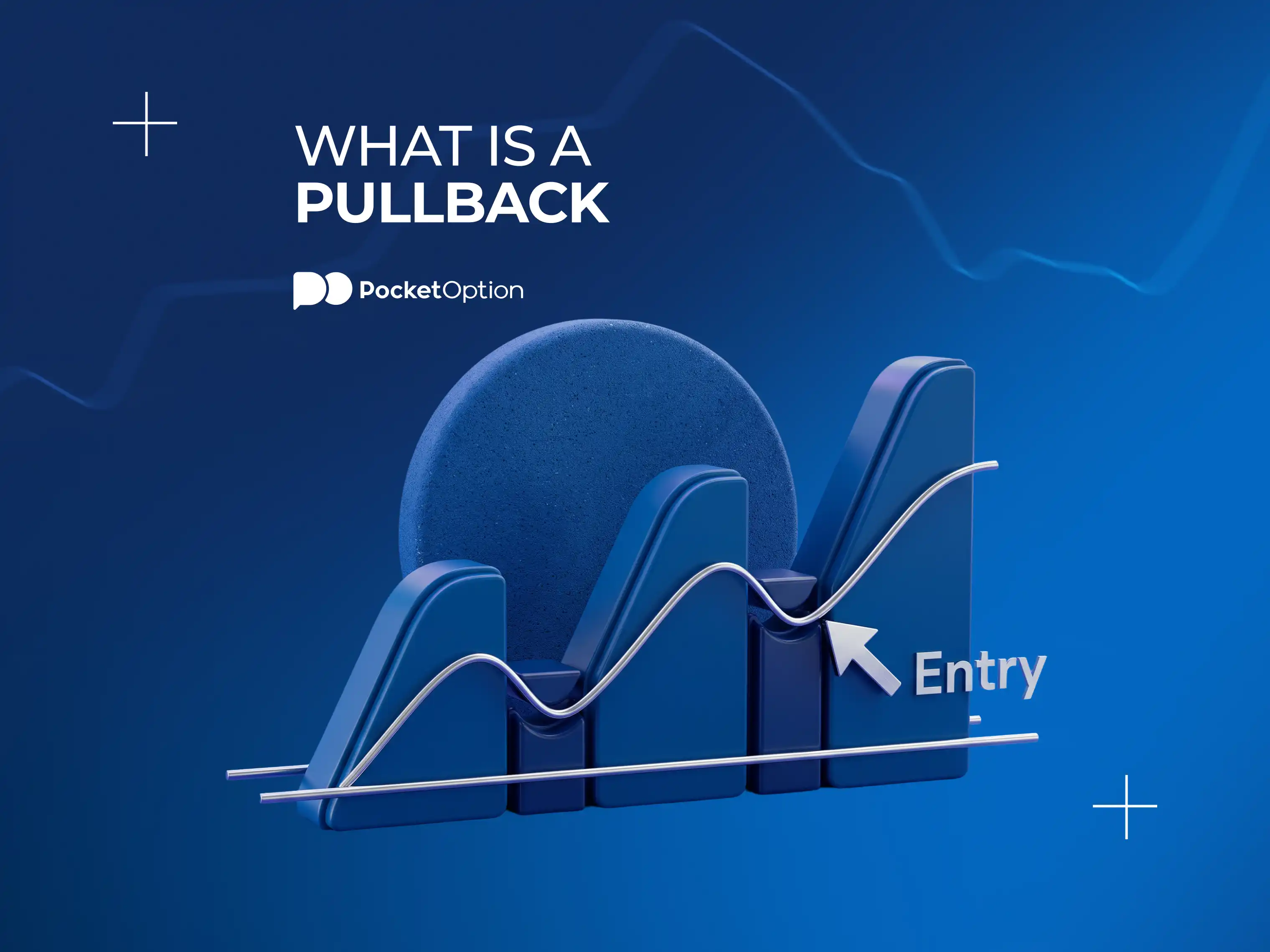
A pullback is a temporary price move against the prevailing trend. The retracement meaning is closely related: both describe a counter-trend move that does not break the overall direction. This entry focuses on how traders use pullbacks as entry points to join a trend at a better price.
 Albert RobertsonGiảm giá
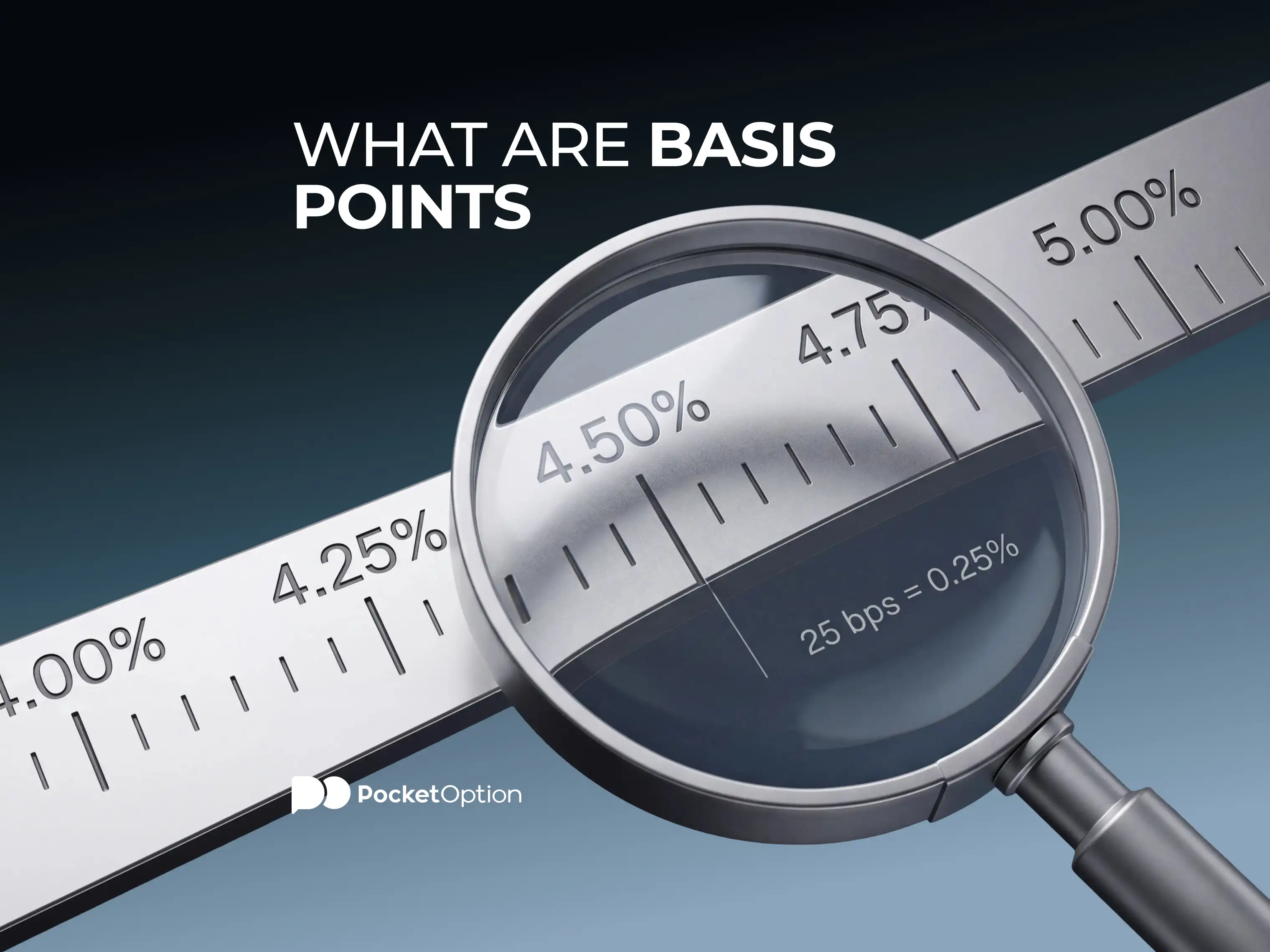
When a central bank raises rates by 25 basis points, the move is 0.25 percentage points. The unit exists because describing small rate changes in plain percentages creates confusion. This entry explains what is a basis point, why the unit is used, and how to convert between basis points and percentages.
 Albert RobertsonGiảm giá
Before a company's shares begin trading on an official exchange, a parallel market sometimes forms where IPO allocations and applications change hands informally. This is the grey market. Understanding what is the grey market, how grey market ipo activity works, and why it carries significant risk is essential for anyone following IPO-related price action.