421



 Albert RobertsonBearish
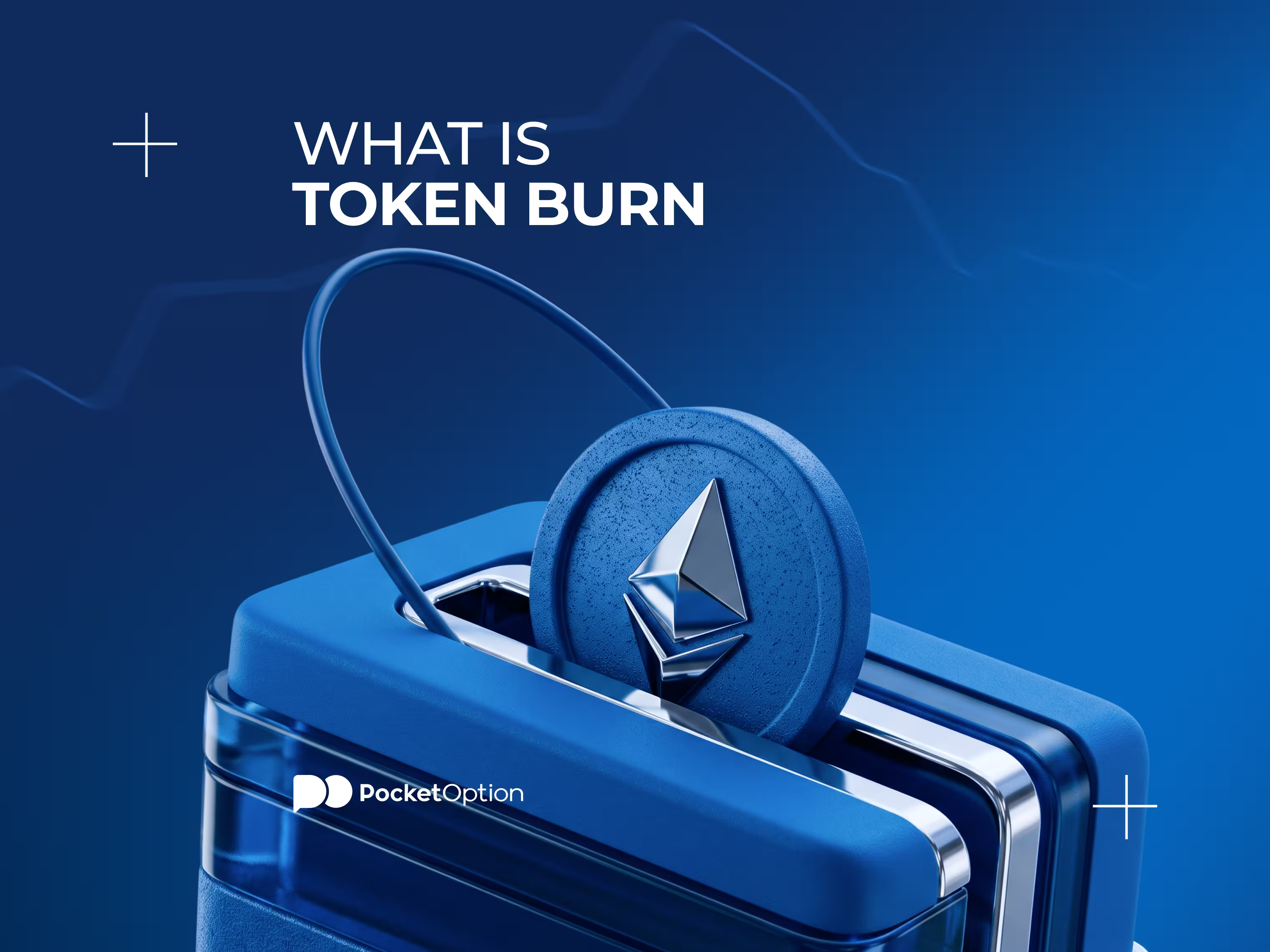
Tokens cannot really be destroyed on a blockchain, because nothing gets deleted there. What a burn does instead is send them somewhere nobody can ever spend from again. The effect is the same, and it is permanent.
 Albert RobertsonBearish
Every share order you place has to reach a market somewhere, and something has to carry it there. That is the job stockbroking does. Most of it finishes in under a second, which is part of why so few people look at how.
 Albert RobertsonBearish
Profit can be measured more than one way, and the number you pick changes the story. EBITDA is one of those numbers. It shows up all over valuation work, and it gets read wrong about as often as it gets read right.
 Albert RobertsonBearish
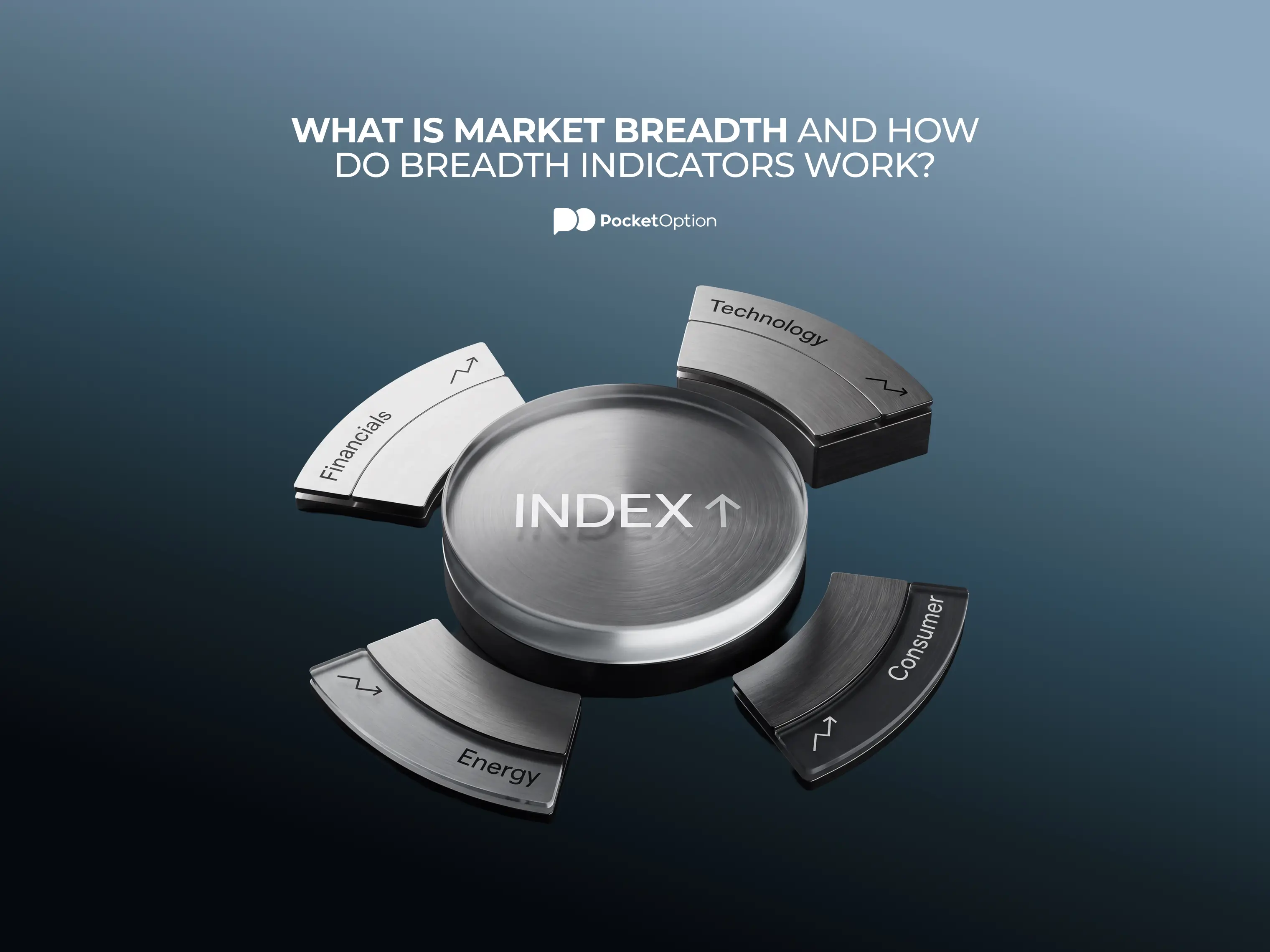
Market breadth measures how many individual stocks are actually participating in an index move, not just the headline number itself. This guide covers the main breadth indicators, confirmation, divergence, and how to read breadth without overreading it.

 Diego FernándezBearish
Nairobi Stock Exchange is the former name of what is now the Nairobi Securities Exchange, home to indices like NASI, NSE 20, and NSE 25. This guide covers how listing and trading work, what moves prices, and how to read index moves in context.
 Diego FernándezBearish
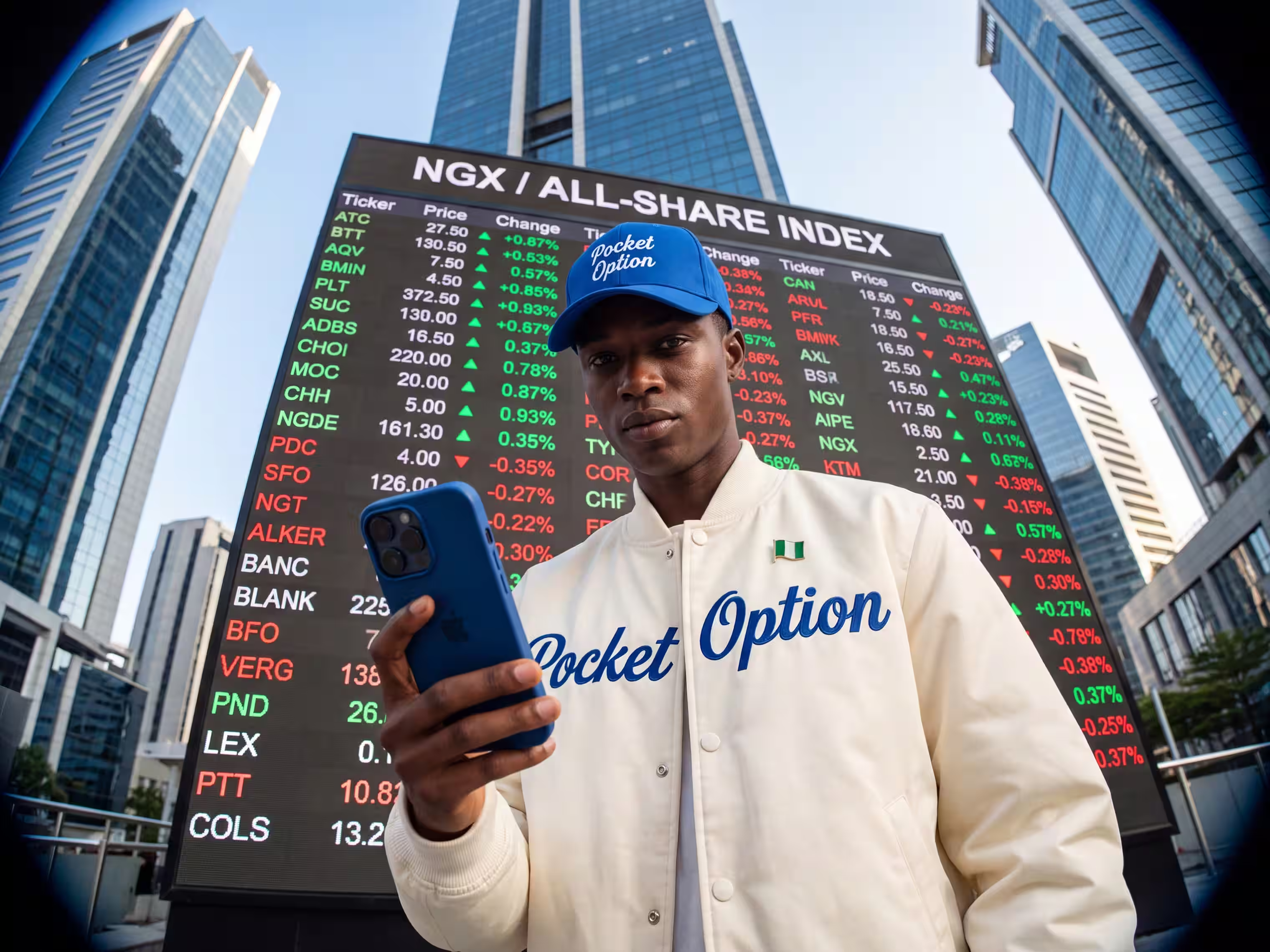
Nigerian Exchange Limited runs the nigeria stock market, with the NGX All-Share Index tracking overall movement across listed equities. This guide covers how listing and trading work, what moves prices, and how to read index moves in context.
 Albert RobertsonBearish
What is a lock up period, and why does it matter once a company goes public? A lock-up period is a fixed window, typically 90 to 180 days, during which insiders and early investors cannot sell their shares. When it ends, more stock can trade, and prices sometimes react.
 Albert RobertsonBearish
What is gross margin, and why does it show up in almost every discussion of a company's financial health? Gross margin meaning, in short, is the percentage of revenue a company keeps after covering the direct costs of producing what it sells.
 Albert RobertsonBearish
What is an iceberg order? It's a large order split into a small visible portion and a much larger hidden portion, designed to let big traders buy or sell size without revealing their full hand to the rest of the order book.