Blog

 Albert RobertsonGiảm giá
Market Profile Trading Strategy Using TPO, Value Area and Initial Balance
A price chart shows where the market went. A market profile shows where it spent its time, and that turns out a rather different picture, often the more useful one. What follows is how a TPO profile gets built and read, and how trades get planned around value and the first hour, failures included.
 Albert RobertsonGiảm giá
Rejection Block Trading Strategy for Entries After Wick Rejection
A long wick means price has been trying to go somewhere, but failed and was driven back out. The failed area is the area you outline. The rejected area becomes the rejection block, and trading is about what happens when price returns to it later on. The present piece is a guide on how to mark it according to a fixed rule, how to assess a retest, and in what circumstances it may become invalid. There is also a discussion of what separates rejection blocks from pin bars and order blocks, which are often confused.
 Albert RobertsonGiảm giá
Auction Market Theory Trading Strategies for Balanced and Trending Markets
Most losing strategies aren't wrong per se; they're simply being used in the wrong market. Fading the edges of a range only works while the market is still in a range. Trading strength only pays out when strength is being rewarded. The question this approach answers, which method applies in the present environment, takes precedence over any entry rule.
 Albert RobertsonGiảm giá
Candle Range Theory Trading Strategy for Entries Within a Reference Candle
Select one completed candle and write its high and low. These two lines define the entire concept. What follows is the process: price pushes through one boundary, fails to maintain the position, returns to the range, and may then move towards the other boundary. The article explains the conditions for each of these points, provides two annotated examples, and dedicates one section to the case where price fails to continue after the return to the range. And that part is usually omitted, although it determines whether the framework is useful or not.
 Albert RobertsonGiảm giá
SMT Divergence Trading Strategy for Confirming Reversals Across Correlated Markets
Take two markets that often move together. One of them prints a new high/low, but the other one doesn’t. A mismatch like this can be interpreted as a reversal sign. People call it SMT divergence, and it might be a useful tool in your trading toolkit.
 Eric BriggsGiảm giá
Crypto Volatility Index (CVI): Measuring Expected Volatility in Crypto Markets
The Crypto Volatility Index, CVI for short, gives a number on how big of a price swing the options market expects from cryptos to be over the next 30 days. Not the way it will go, only the size, but that can still give traders a lot of useful guidance.
 Diego FernándezGiảm giá
Judas Swing: The ICT Fakeout That Traps Traders at Session Open
A session opens, price shoots off one way, and crowd decides to chase it. Then the chart turns around. This happens often enough that ICT traders gave it a name, the ‘Judas Swing’. Here’s how to mark it, when to watch for it, and why the first spike can be so dangerous.
 Diego FernándezGiảm giá
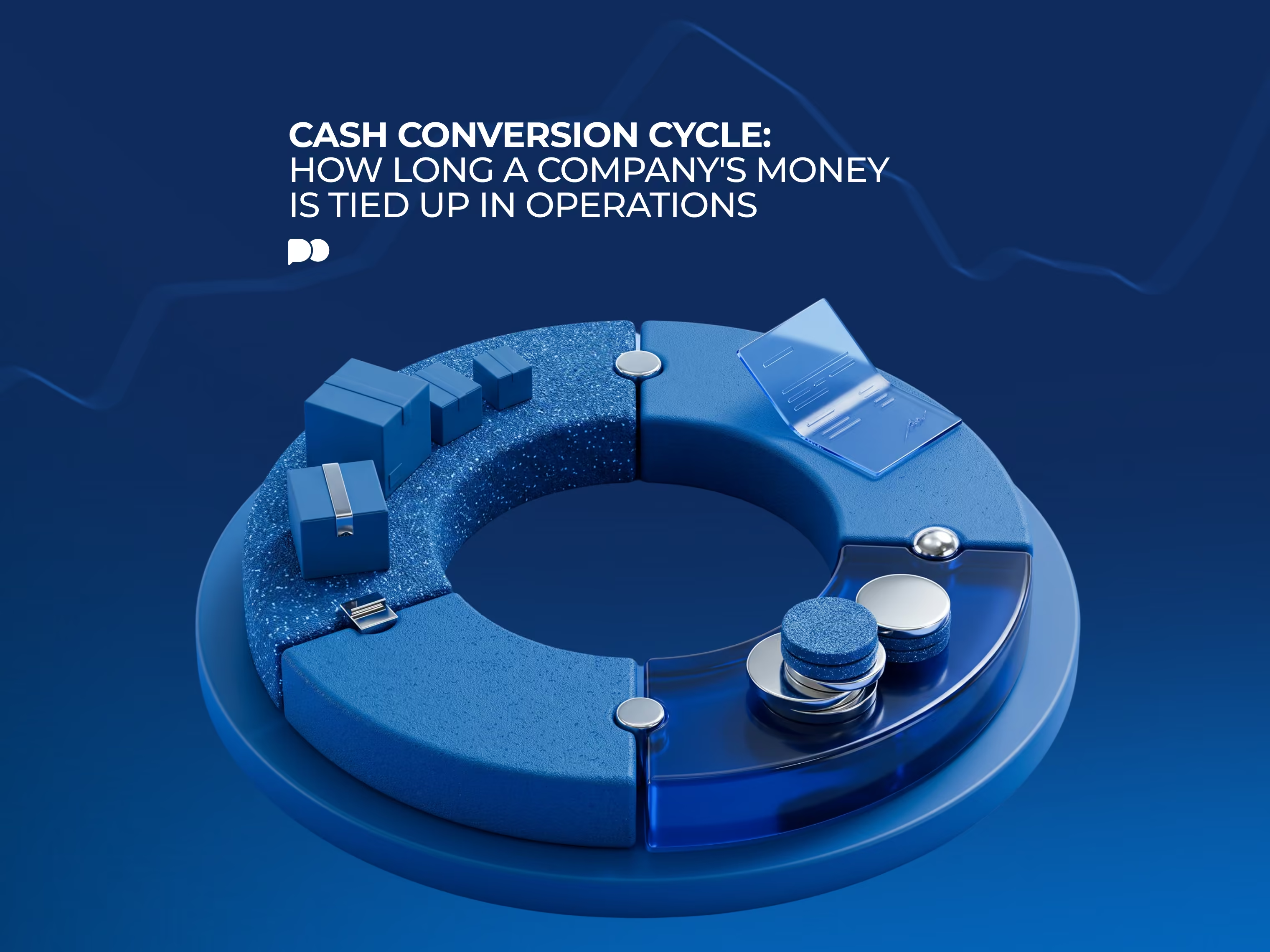
Cash Conversion Cycle: How Long a Company's Money Is Tied Up in Operations
The company purchases materials from its suppliers in March and collects money from its customers in May. Between these two dates, the company doesn't spend money and also doesn't receive it. Instead, it keeps this money inside itself, either as inventory or as an unpaid invoice. This period is known as the cash conversion cycle. This article explains the calculation of this metric, how three changes in operational procedures can influence its value, and why a shorter cycle doesn't always mean that a business is in a better situation.

 Rudy ZayedGiảm giá
Pocket Option October 2026 Update: What’s New?
October's Pocket Option changes in one place: Daily Bonus 2.0 and streaks, a new Profile Menu, Settings customization, My Feed and a batch of chat tools. The article separates what is confirmed from what is announced and what is not yet spelled out.
 Rudy ZayedGiảm giá
Pocket Option VIP Update: What Changed in the Loyalty Program?
Pocket Option's VIP program has changed. This guide explains automatic VIP status, levels from Pro to Guru, temporary VIP access for friends, the updated cashback and the benefits named in official announcements, and what remains unpublished.
 Rudy ZayedGiảm giá
Pocket Option Luck Rewards: How the New Reward Draw System Works
Pocket Option Luck Rewards lets traders exchange Stars for tickets and join prize draws. This guide covers the confirmed mechanics, what affects your chances, and what the official announcement doesn't specify.
 Rudy ZayedGiảm giá
Pocket Messenger Update: GIF Support, Improved Search and Messaging Features
The September update to Pocket Messenger adds GIF message support, expands the chat search screen and brings a set of messaging and display fixes. Here is what changed, what it means in practice, and what the release notes leave unsaid.
 Diego FernándezGiảm giá
Sensex vs Nifty: What’s the Difference?
Sensex and Nifty 50 are India's two best-known benchmark indices. Here is how they differ in provider, number of companies, sector coverage and weighting, how companies get selected, and why the two can move differently without it saying anything about the whole market.
 Diego FernándezGiảm giá
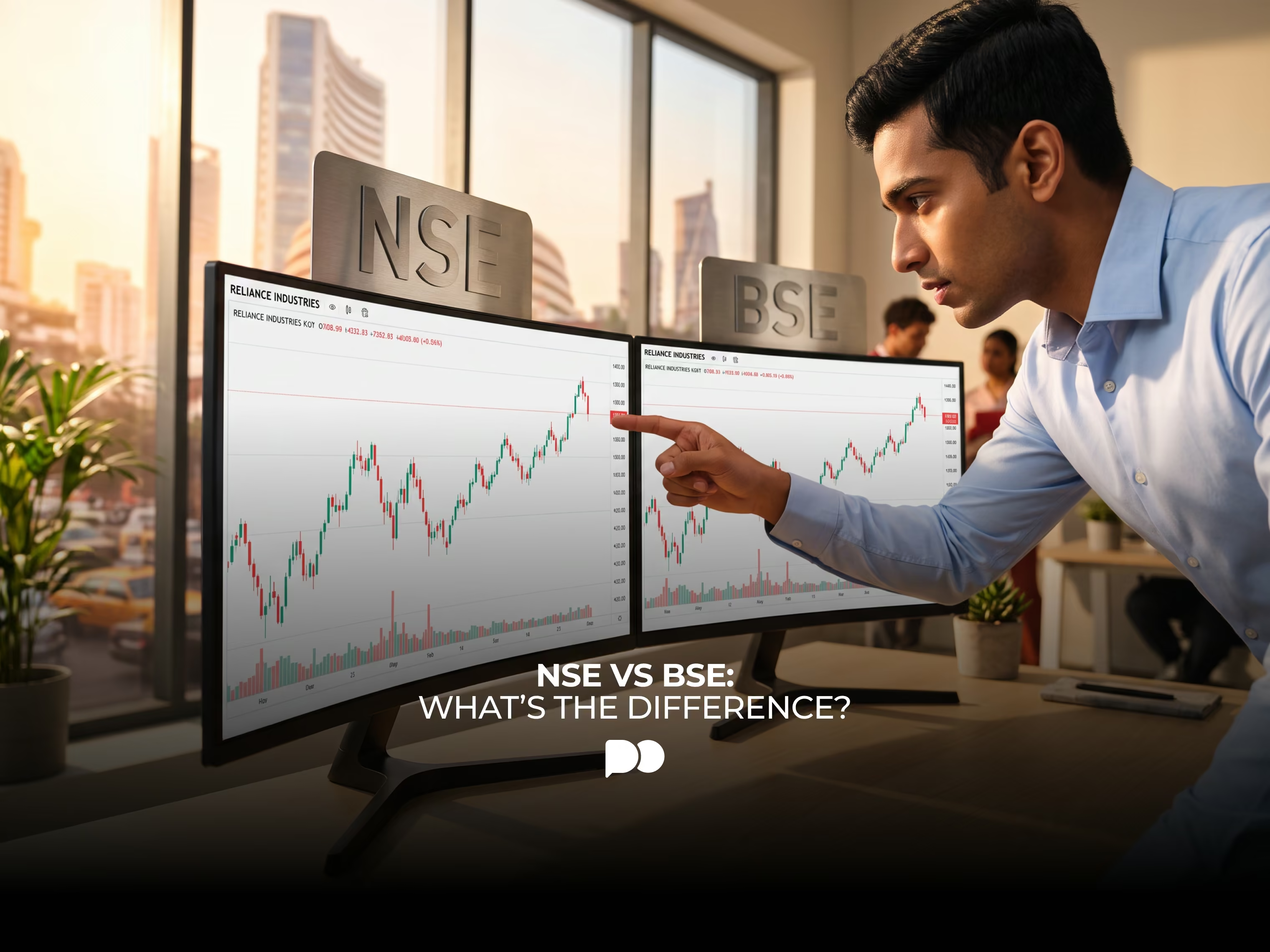
NSE vs BSE: What’s the Difference?
NSE and BSE are India's two main stock exchanges. Here is how they differ in history, listing universe, benchmark indices and trading activity, how dual listing works, and what traders should compare for a given instrument, without picking a universal winner.
 Diego FernándezGiảm giá
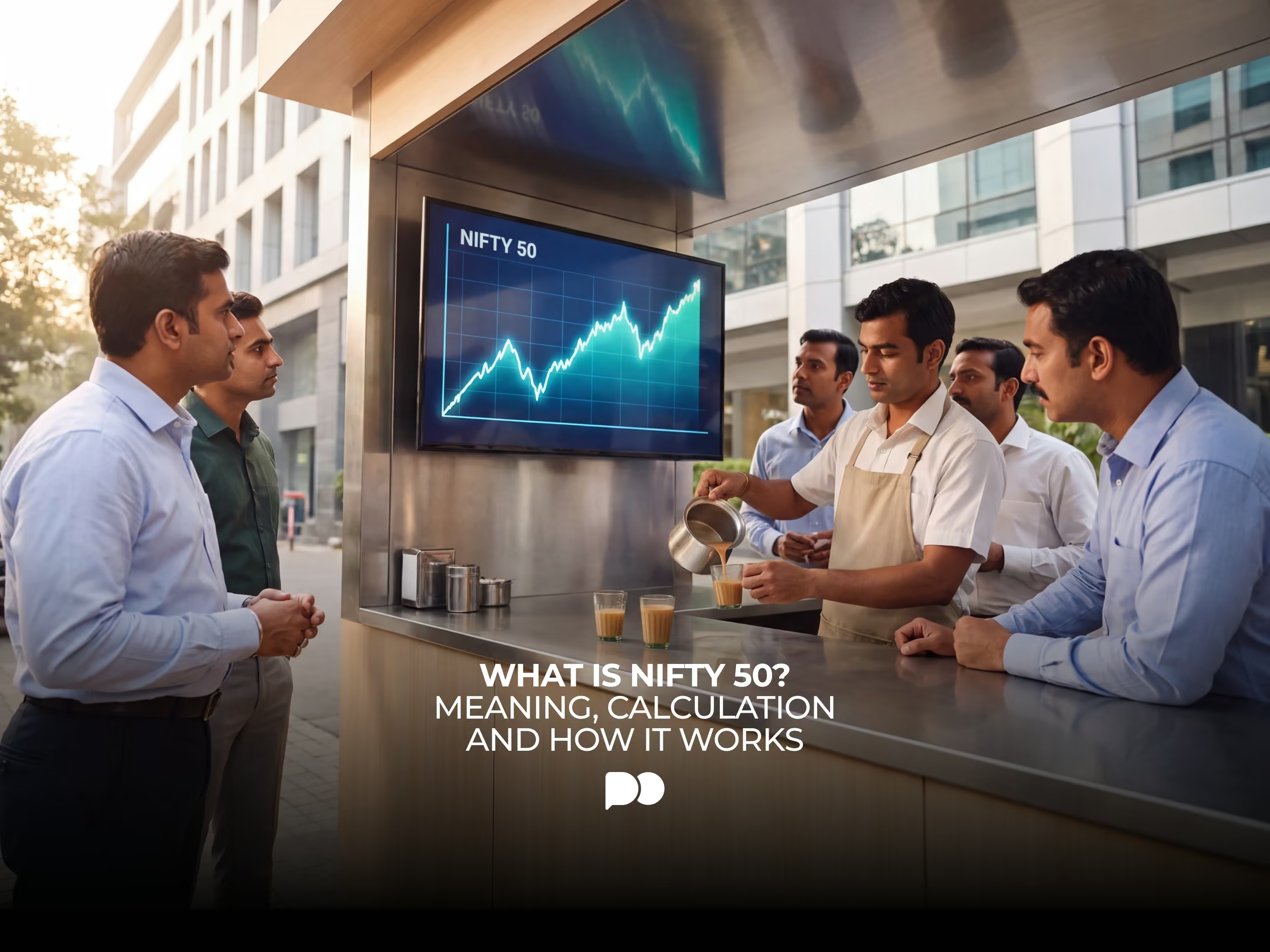
What Is Nifty 50? Meaning, Calculation and How It Works
Nifty 50 is NSE Indices' benchmark of 50 large, liquid Indian companies. Here is which companies are in it, how they are selected, how free-float weighting works, what can move it, how it differs from Sensex, and how traders read it without treating it as a signal.
 Diego FernándezGiảm giá
What Is Bank Nifty? Meaning, Components and How It Works
Bank Nifty is NSE's index of the largest, most liquid Indian banking stocks. Here is which banks it holds, how free-float weights are calculated, what can move it, how it differs from NIFTY 50, and how traders read it without treating it as a signal.
 Diego FernándezGiảm giá
What Is India VIX? Meaning and How the Volatility Index Works
India VIX is an index of expected volatility for the Indian stock market, calculated by NSE from NIFTY option prices. Here is how it is built, what high and low readings mean, how it differs from NIFTY 50, what can move it, and how traders read it without treating it as a signal.
 Diego FernándezGiảm giá
What Is the RBI Repo Rate? Meaning and How It Affects Indian Markets
The RBI repo rate is the price the central bank charges banks for short-term cash. Here is how the policy rate works, how it can pass into borrowing costs, the rupee, bank shares and the wider market, and what traders watch around each decision.
 Albert RobertsonGiảm giá
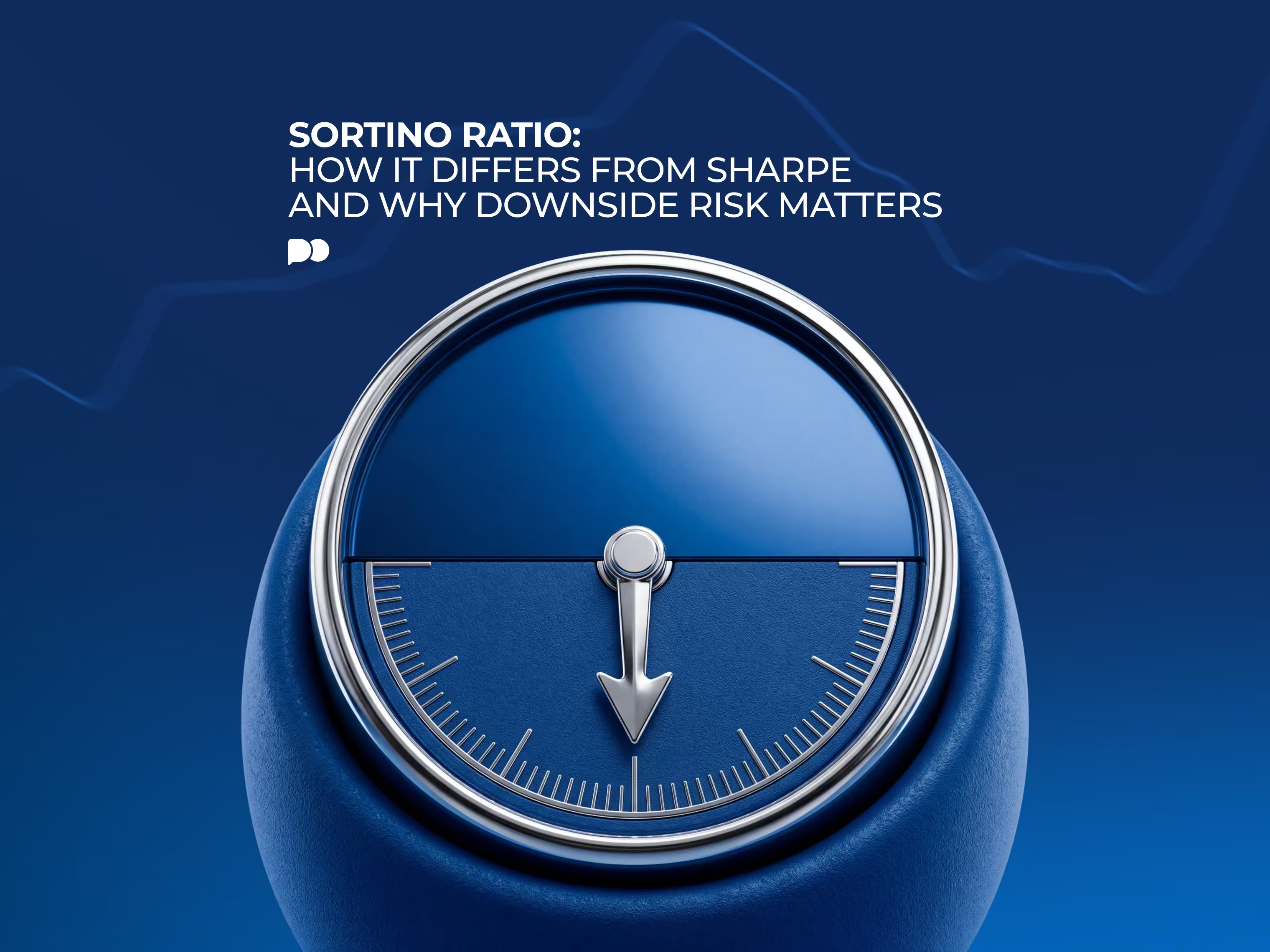
Sortino Ratio: How It Differs from Sharpe and Why Downside Risk Matters
The Sortino ratio scores return against downside risk only. Here is the formula, a simple worked example, how downside deviation works, how the ratio differs from Sharpe, what a good reading might mean, and the limits to keep in mind.
 Albert RobertsonGiảm giá
Turtle Soup Trading Strategy: Setup, Rules and How It Works
Turtle Soup trading is a reversal idea built on a failed breakout of a prior high or low. Here is how the setup works, how its bullish and bearish forms differ, how to confirm it, which mistakes to avoid, and where classic and ICT-style readings part ways.
 Albert RobertsonGiảm giá
Three Drives Pattern: How to Identify Bullish and Bearish Reversals
Three Drives is a harmonic formation of three pushes in one direction with two corrections between them. Here is how the structure works, which Fibonacci ratios traders cite, how bullish and bearish versions differ, how to identify it, and where it falls short.
 Diego FernándezGiảm giá
Disposition Effect in Trading: Why Traders Sell Winners Too Early and Hold Losers Too Long
The disposition effect is the habit of closing winners too early and holding losers too long. Here is why it happens, how loss aversion and reference points feed it, how to recognize it in your own trades, and which habits can reduce it.
 Albert RobertsonGiảm giá
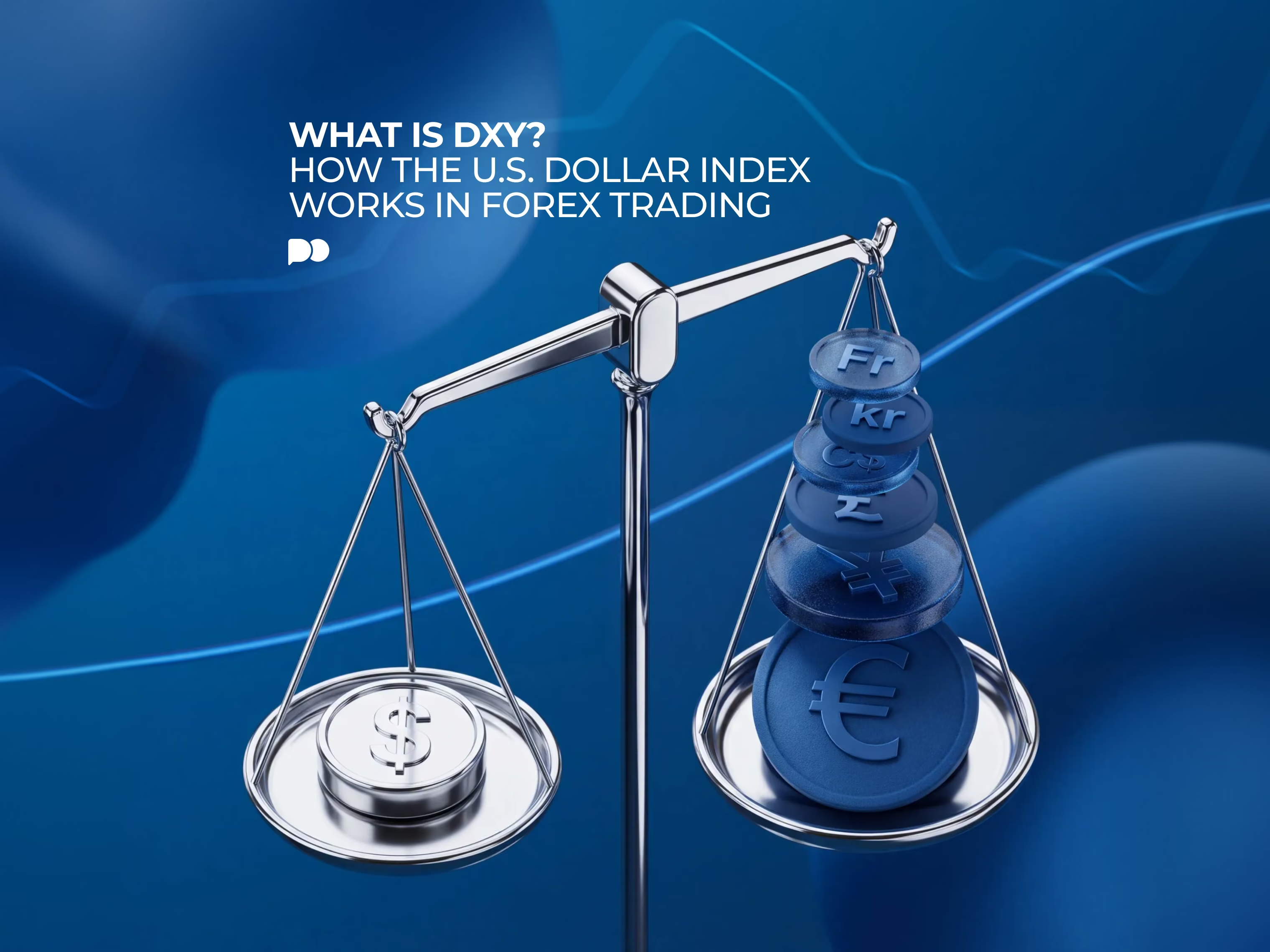
What Is DXY? How the U.S. Dollar Index Works in Forex Trading
DXY tracks the dollar against a fixed basket of six currencies. Here is how the basket and its weights work, how the index is calculated, what a rising or falling DXY means, and how it relates to major Forex pairs like EUR/USD and USD/JPY.
 Albert RobertsonGiảm giá
What Is OPEC and How Does This Oil Cartel Influence Markets?
Few meetings move the oil market like those of OPEC. The group of oil-exporting countries coordinates how much crude its members pump, and its decisions shape expectations for supply, prices and the markets tied to them.