Turtle Soup Trading Strategy: Setup, Rules and How It Works
Turtle Soup trading is a reversal idea built on a failed breakout of a prior high or low. Here is how the setup works, how its bullish and bearish forms differ, how to confirm it, which mistakes to avoid, and where classic and ICT-style readings part ways.

Price pokes above yesterday's high. Breakout buyers rush in. Twenty minutes later the candle is back under that level. Everyone who bought the poke is underwater. That small drama is the raw material for Turtle Soup.
What Is Turtle Soup Trading?
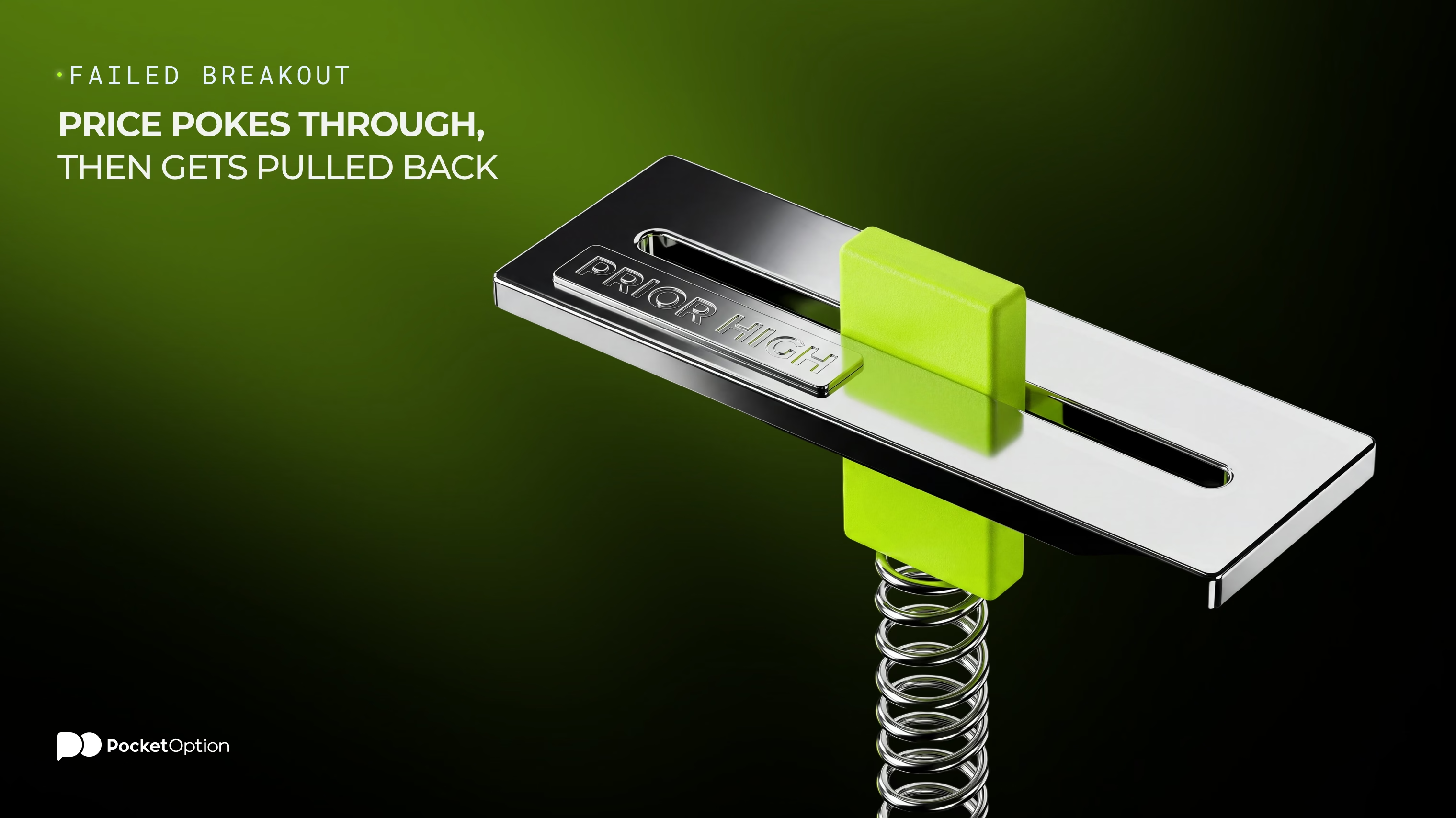
Turtle Soup trading is a reversal idea built on a failed breakout. Price pushes past a significant prior high or low. It can't stay out there. It slips back into the old range. That quick retreat may signal rejection rather than a genuine breakout.
The name is a wink at the Turtles. Those 1980s trend followers were famous for buying 20-day breakouts. Linda Raschke and Larry Connors described it in Street Smarts, back in 1995. Their twist was simple: fade the breakout the Turtles would have bought.
Two warnings travel with it. Not every false breakout qualifies. And even a textbook example guarantees nothing. When people talk about Turtle Soup trading, they mean a narrow structure. A meaningful level. Not any wick that pierces a line.
Open a demo account and track failed breakouts on live charts.
Try Demo AccountA failed breakout looks obvious only in hindsight.
Run a quick drill. Open a demo account and pick one liquid pair. Mark yesterday's high and low. Watch what price does when it pokes through. Log every poke: did it hold or slide back? After a week you'll own a small record of how Turtle Soup trading behaves in the wild. Zero money riding on the answer.
Keep a poke log during demo trading and note what happened next.
How the Turtle Soup Setup Works
Think of five beats. Find a clear prior high or low. Watch price break beyond it. See whether it fails to hold outside the range. Notice the slide back inside. Then look for rejection. At the structural level, that sequence is all a Turtle Soup trading strategy amounts to. It isn't a mechanical entry recipe.
New to the platform? The pocket option tutorial gets you to your first chart quickly.
Context outranks the wick. Picture a pair that stalled at the same ceiling twice this week. On Thursday it spikes through. It hangs there for an hour. Then it closes back under. Buyers of the breakout now sit above a level that failed. That story has weight. A lone spike past a random level has almost none.
The level has to matter: a swing the market respected, not a stray twitch. Strip away context and any Turtle Soup trading strategy collapses into pattern-hunting. It feels productive. Usually it isn't.
Bullish vs Bearish Turtle Soup Setup
The setup comes in two mirror images. The bullish one follows a failed break below a prior low. Price closes back above that level. The bearish one follows a failed break above a prior high. Price closes back below it. Learn to read a single turtle soup pattern and you can read both. The logic is identical: a breakout that attracted followers, then lost them. A bullish version needs trapped sellers. A bearish one needs trapped buyers. Either way you get a directional bias. Not a promise.
Aspect | Bullish Turtle Soup | Bearish Turtle Soup |
|---|---|---|
Reference level | A prior swing low | A prior swing high |
Breakout direction | Downward, beyond the low | Upward, beyond the high |
Return into range | Price recovers back above the low | Price drops back below the high |
Reversal bias | Upward, never guaranteed | Downward, never guaranteed |
Key confirmation | Rejection after the move back inside | The same rejection, mirrored |
Same skeleton, opposite direction. The word to remember is bias.
How to Identify and Confirm a Turtle Soup Setup
Checklists beat gut feeling. Run the chart through these questions before you call anything a setup:
A swing high or low the market clearly respected before
A push beyond that level
Price failing to stay outside the old range
A return, ideally a close, back inside it
Visible rejection rather than a lazy drift
A possible shift in short-term price structure
A broader trend that doesn't argue with the idea
A stray wick beyond a random level doesn't qualify. Neither does a shape that merely looks right. Ask one more question: would you care about this level without the setup? ICT-style traders often add a liquidity sweep and a structure shift. Treat that as a modern variation. It isn't part of the classic definition.
Common Turtle Soup Trading Mistakes
Most failures come from a handful of habits:
Calling every false breakout a Turtle Soup
Picking highs and lows nobody cares about
Jumping in before price is back inside the range
Ignoring the bigger market picture
Chasing a setup after the move has already run
Assuming a liquidity sweep always means reversal
Notice what's missing: fixed entries, stops and targets. They don't belong here. Anyone selling you exact numbers is selling certainty the chart doesn't have.
How Traders Can Interpret Turtle Soup Setups
Treat it as a lens, not a signal. It helps you judge a failed breakout and a possible reversal. Read it next to the broader trend, support, resistance, volatility and price action. A setup on its own doesn't confirm a turn. Wait for the rest of the chart to agree.
Risk Disclaimer: Trading involves significant risk of capital loss. This article is for educational purposes only and does not constitute financial advice. Always conduct independent research and consider your risk tolerance before making any trading decisions.
See more:InterestingTrading Strategies