 Rudy ZayedGiảm giá
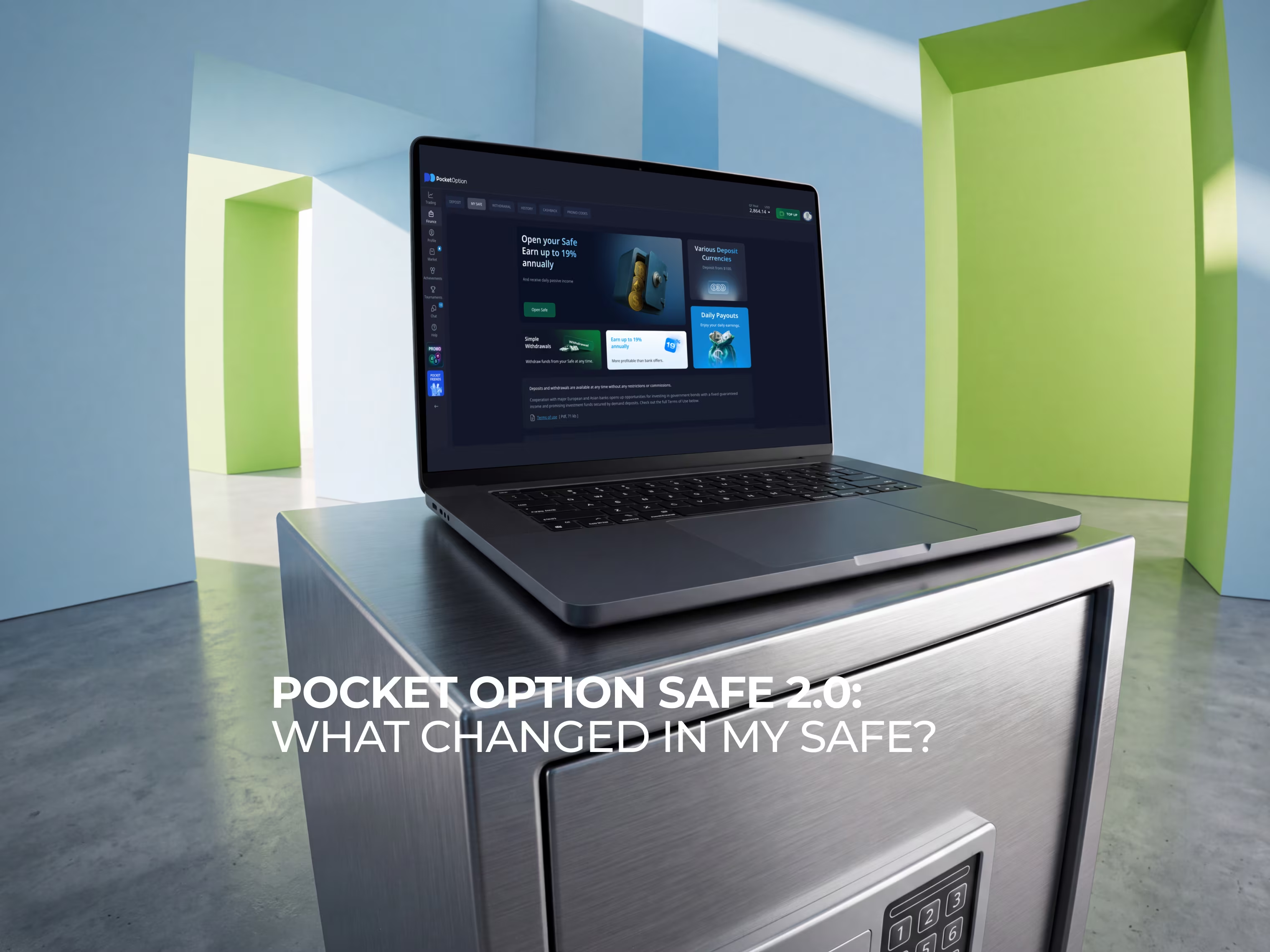
Pocket Option Safe 2.0: What Changed in My Safe?
Safe 2.0 updates My Safe with a rate of up to 19% annually, the ability to increase that rate through trading activity, deposits and withdrawals available anytime, and daily payouts. This guide covers each confirmed change and how to use the updated feature.
 Albert RobertsonGiảm giá
What an Open Position Really Means for Your Live Risk
You place a trade and it fills. For as long as it stays open, you are exposed to the market: every price tick changes your potential profit or loss, whether you are watching the screen or not. That is what an open position is, a trade that is still active and exposed to market movements, the opposite of a trade that has been realised, or closed. This guide explains what an open position is, how floating P&L is calculated, and why it means real, live risk.
 Albert RobertsonGiảm giá
What Is Fair Value and How Do Traders Use Fair Value in Pricing?
If you have spent any time looking at trading charts, you have probably heard the term fair value thrown around. The answer is surprisingly split: in one context, it is a theoretical price calculated by quants and institutional traders; in another, it is a visual pattern on a price chart called a Fair Value Gap (FVG), which most active traders actually care about.
 Albert RobertsonGiảm giá
What Is Open Interest in Trading?
A parking lot tells you two different things depending on which number you check. Count how many cars are parked right now and you get one number, a snapshot of who is still there. Count how many pulled in and out over the whole day and you get a different number, possibly much higher even if the lot never filled up. Trading has a version of that same split, one number counting what's still open, another counting everything that moved.
 Albert RobertsonGiảm giá
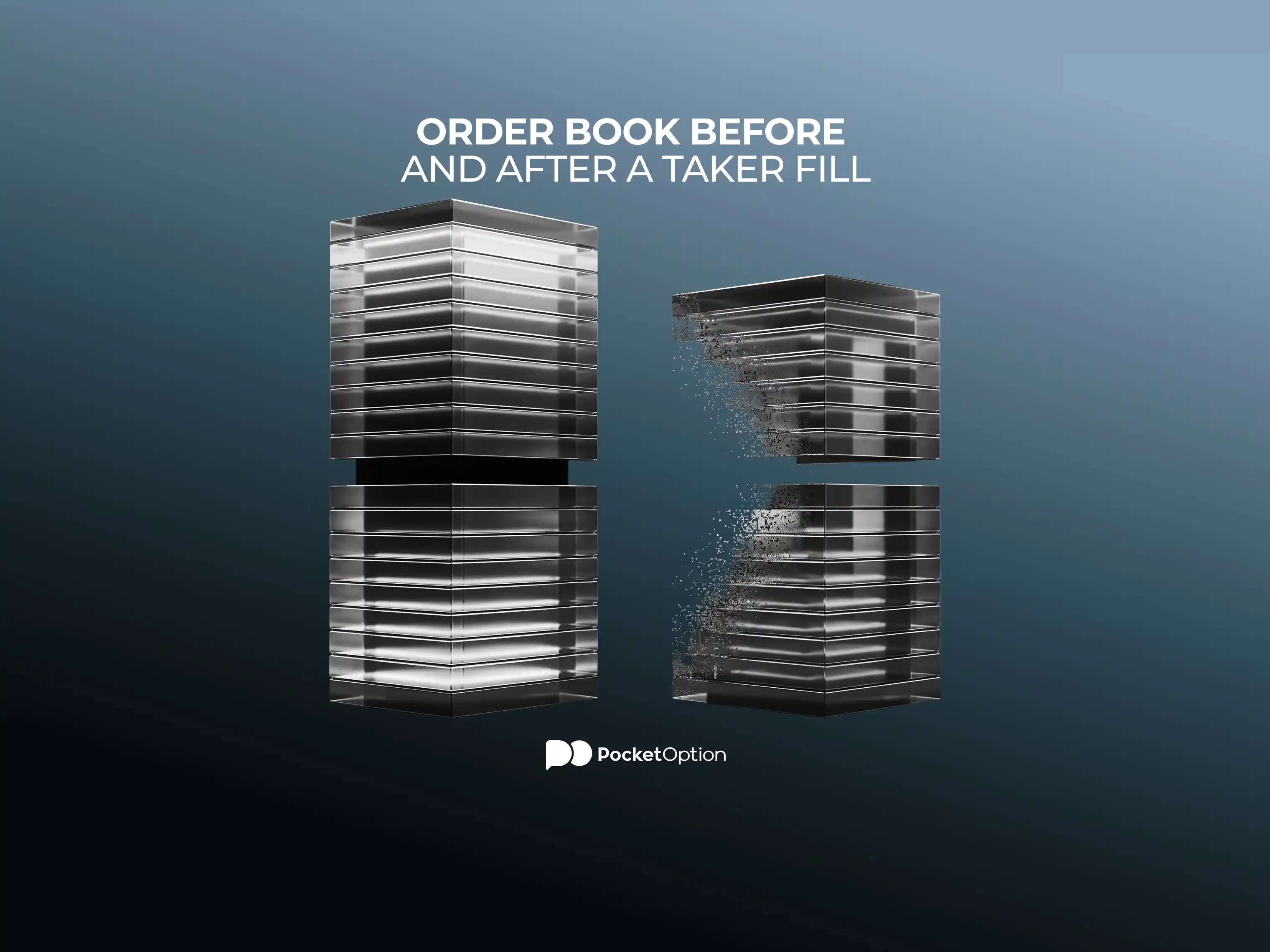
Who a Taker Is and How Takers Remove Liquidity from the Order Book
Every time you place a trade on an exchange, you are either adding liquidity to the market or taking it away, and this distinction matters for your trading costs. If your fees seem higher than expected, the answer often lies in one question: are you a maker or a taker? This guide explains who a taker is, how taker orders remove liquidity, and why takers generally pay higher fees.
 Albert RobertsonGiảm giá
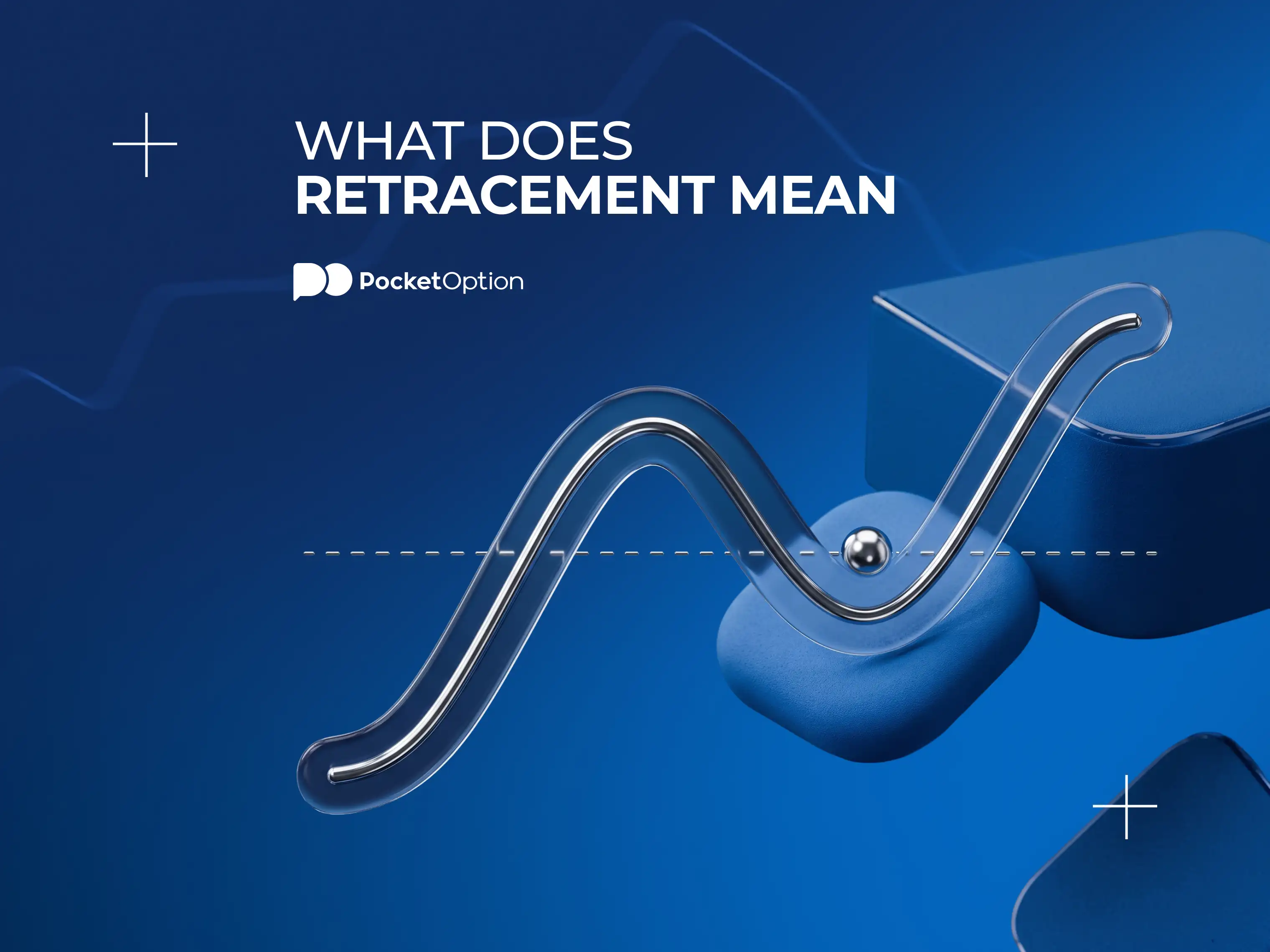
What Does Retracement Mean and How Do Retracements Work in Price Action?
You're watching a strong uptrend, then the price suddenly drops. Do you buy the dip, or is the trend over? It depends on whether this is a retracement or a reversal: get it wrong and the market turns against you; get it right and you enter at a better price. This guide covers what a retracement means, why it happens, and how traders use Fibonacci levels to find entries.

 Eric BriggsGiảm giá
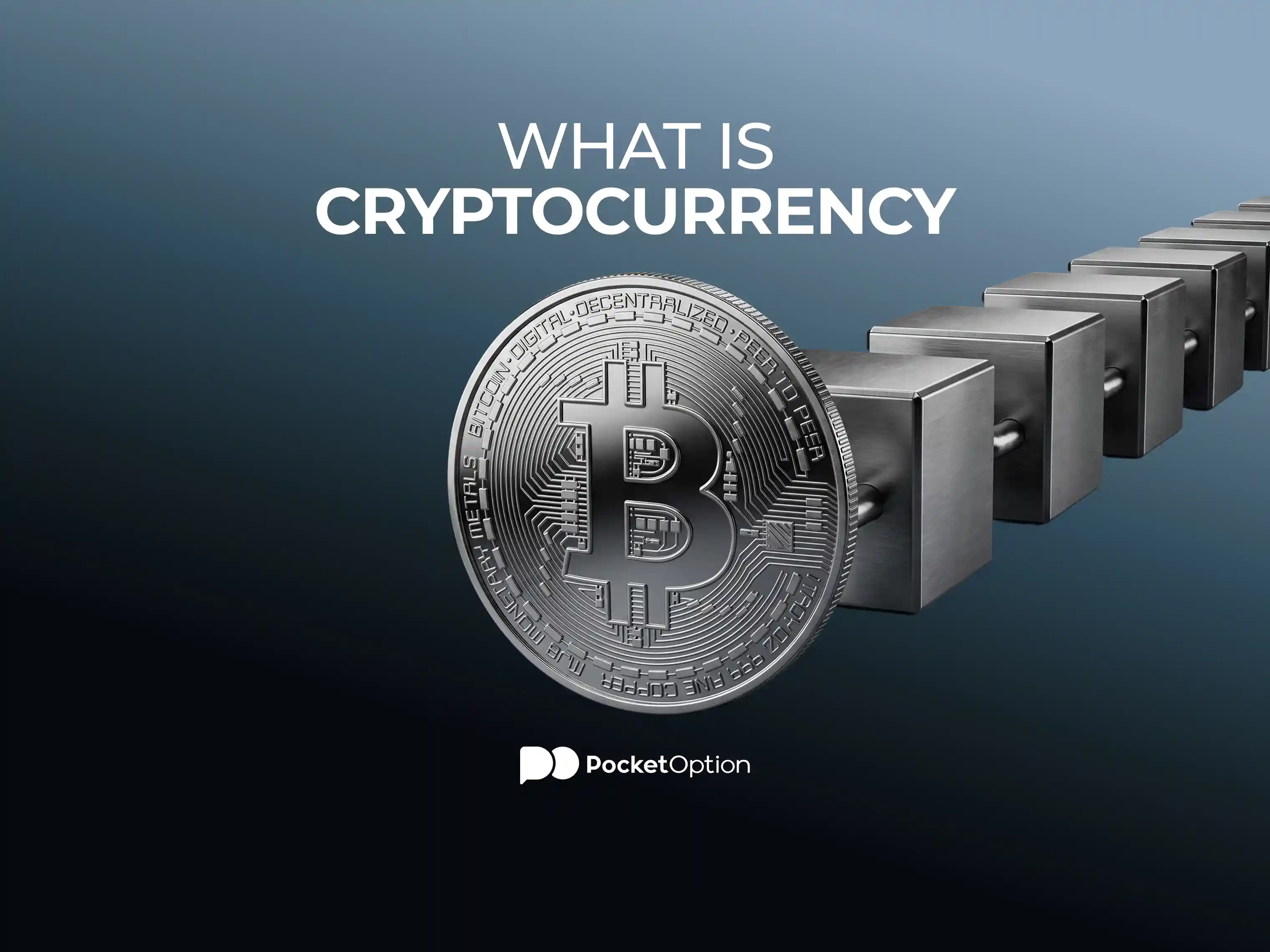
What Is Cryptocurrency? A Basic Guide and Trading Cryptocurrency on Pocket Option
Cryptocurrency has evolved from being an experiment amongst cryptographers to a multi-trillion dollar asset class which is traded constantly across the globe on all seven continents. This guide offers you an easy-to-understand definition of what is cryptocurrency, describes how new coins are generated, and describes how you can start trading BTC, ETH, SOL, and other crypto coins right on Pocket Option.
 Albert RobertsonGiảm giá
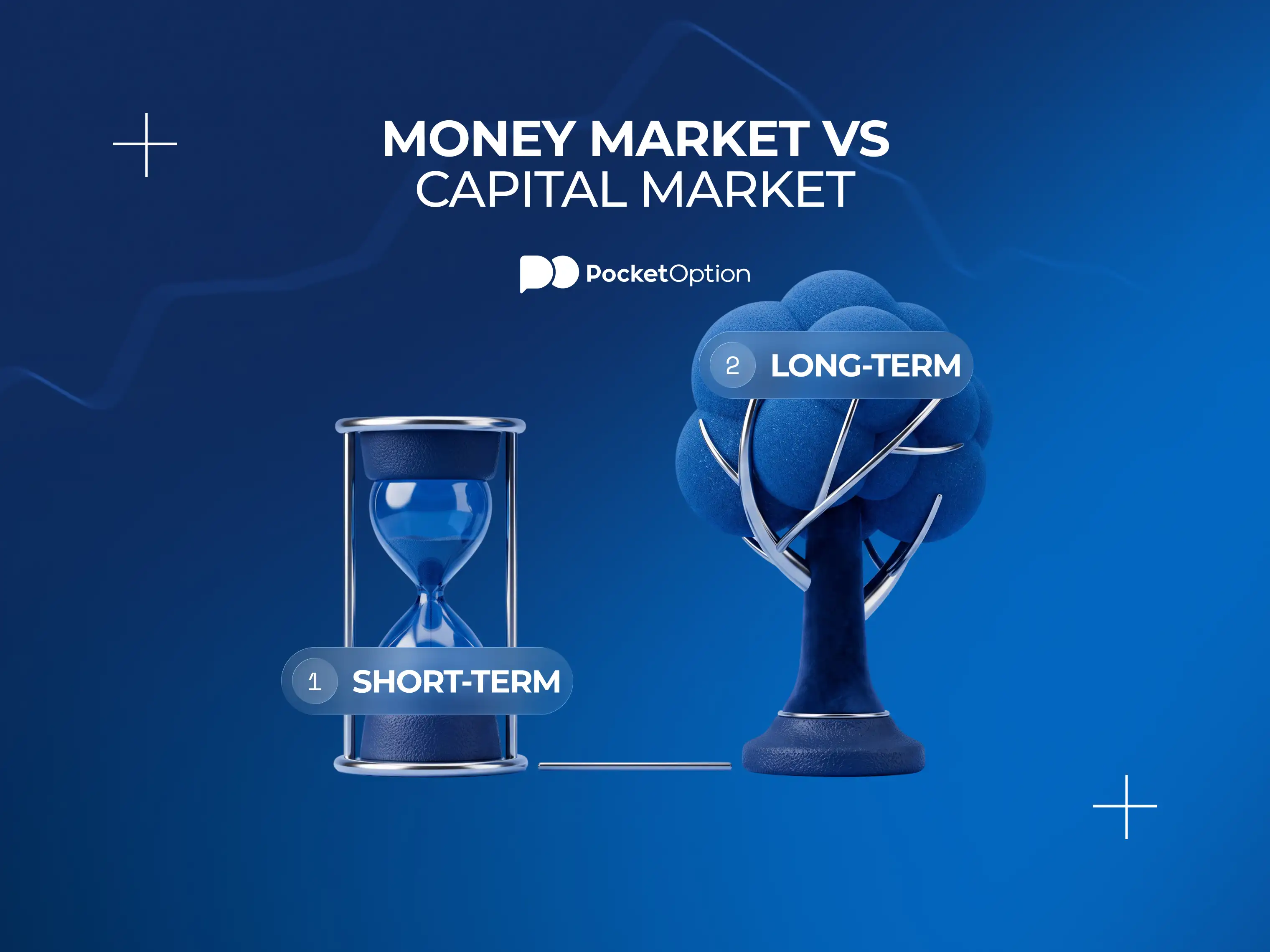
Money Market vs Capital Market: How Short- and Long-Term Instruments Translate into Pocket Option Assets
All financial instruments have their places on a time line. On one extreme are short-term investments, which are meant to mature in one year’s time and whose main considerations are safety and liquidity. On the opposite extreme are long-term investments, which have the objective of raising or putting out capital over a number of years and decades. The first category is known as the money market, and the second are the capital markets.
 Rudy ZayedGiảm giá
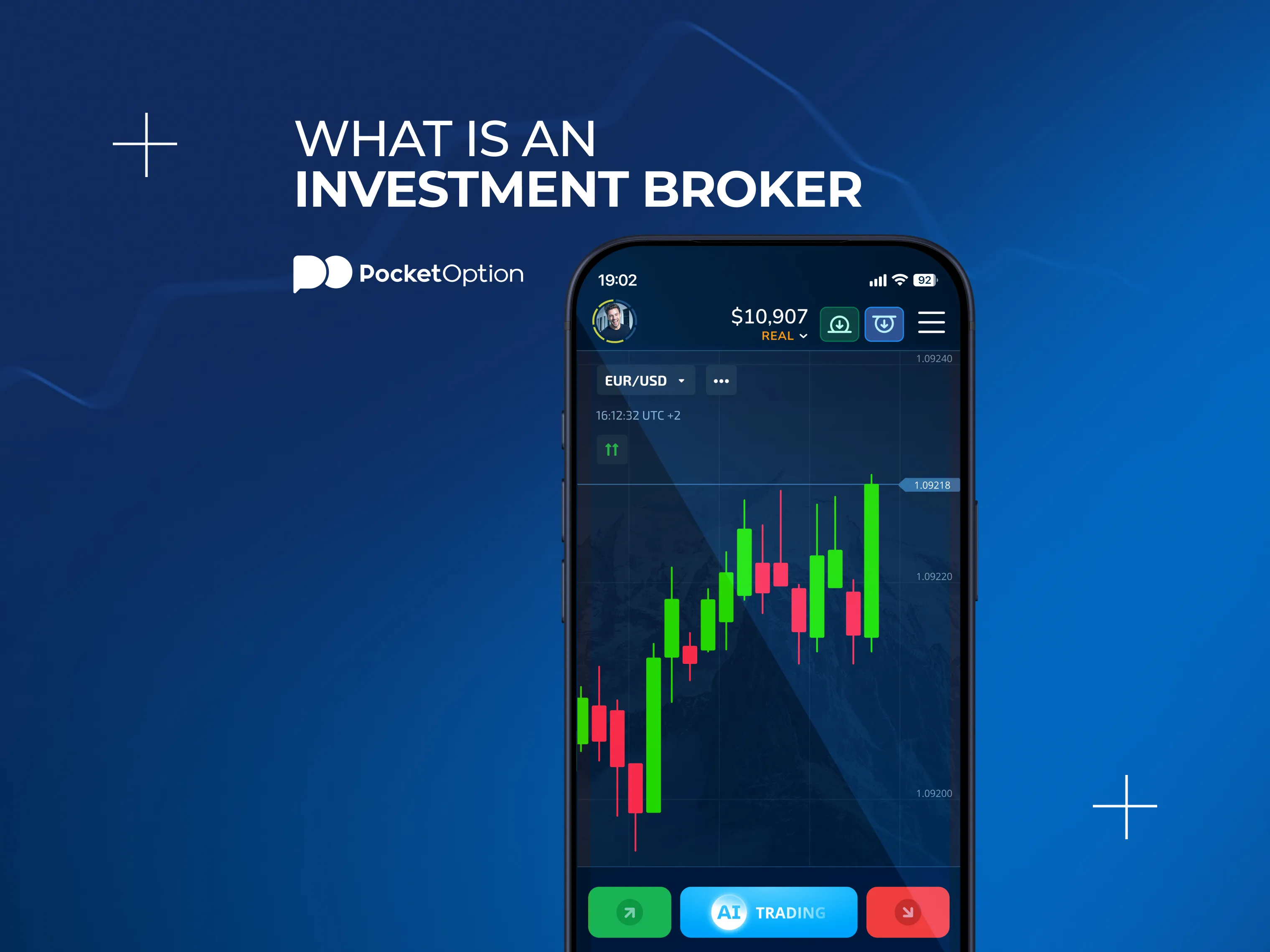
Investment Broker: How Pocket Option Fits into Your Choice of Trading Platforms
The wide expansion in the context in which the word “broker” is used means that it no longer has a precise definition. A wealth management firm, an execution venue, and even a mobile application for buying fractional shares are all classified as “broker”, even if these serve widely different purposes and are regulated differently. Below we will look closer at what an investment broker is, see the difference between the categories, understand the criteria for choosing a trading platform, and then assess how Pocket Option fits into this picture, what it provides, what it doesn't, and whether you need it.