524



 Albert RobertsonGiảm giá
Financial instruments are the contracts through which value is created, transferred, and traded in markets. Understanding what a financial instrument is, the two core categories it falls into, and why that classification matters is the starting point for evaluating risk in any market.
 Albert RobertsonGiảm giá
Short-term trading means making relatively quick market moves. In other words, the goal of this method is to trade as quickly as possible. This guide includes the key points that you should know about short term trading, and what trading strategies you should apply to profit from market volatility.
 Albert RobertsonGiảm giá
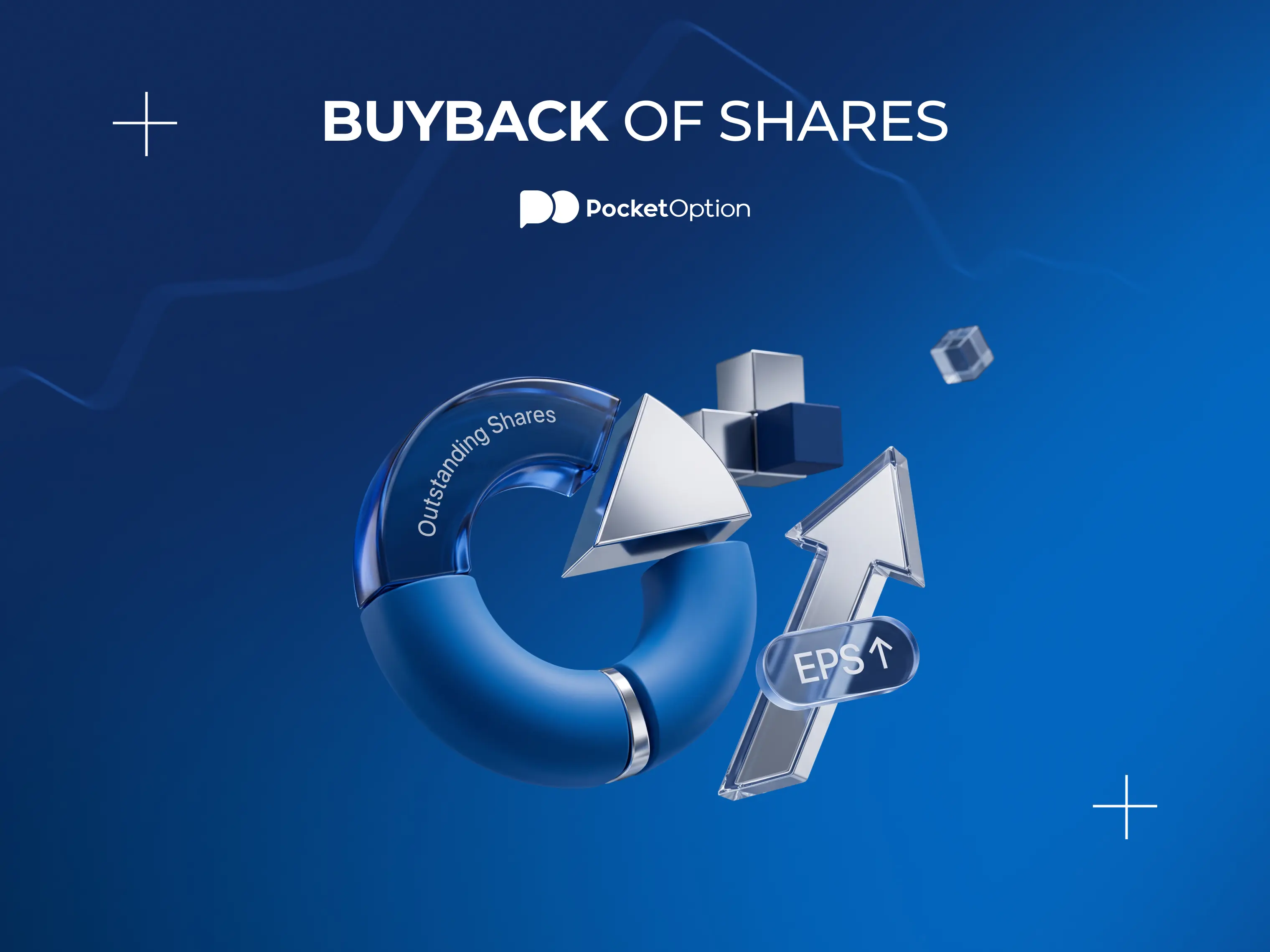
When a company uses its own cash to purchase its shares from the open market, the total number of shares outstanding falls. That single action ripples through earnings per share, ownership concentration, and stock price. This glossary entry explains what a buyback of shares is, the methods companies use, and how to judge whether it genuinely benefits shareholders.
 Albert RobertsonGiảm giá
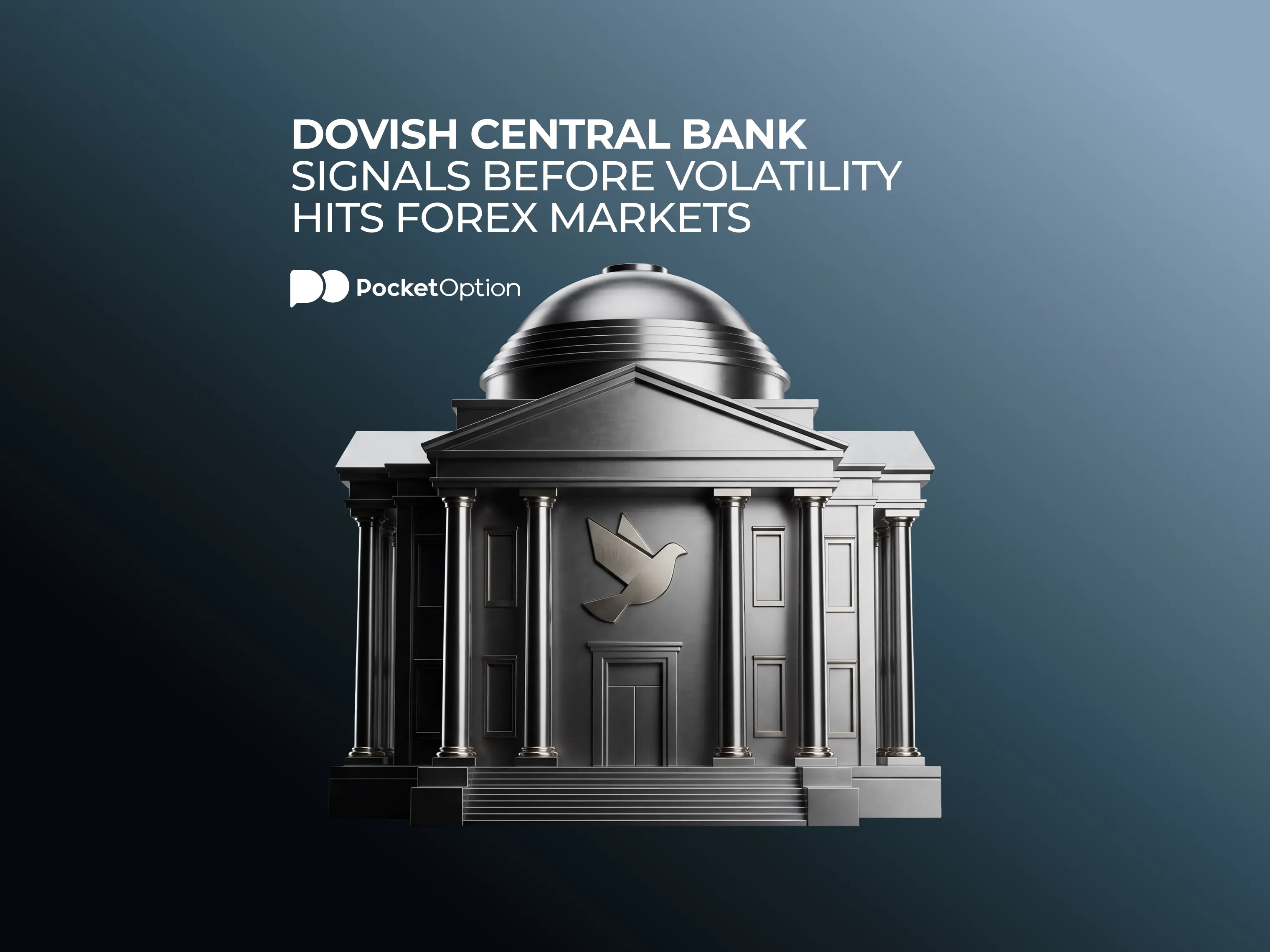
Central bank language can move a currency pair further and faster than any data release. When policymakers shift toward a dovish tone, the signal often reaches forex markets before the rate decision. This entry explains what dovish means, how it contrasts with hawkish, and what traders watch for when a policy shift is forming.
 Albert RobertsonGiảm giá
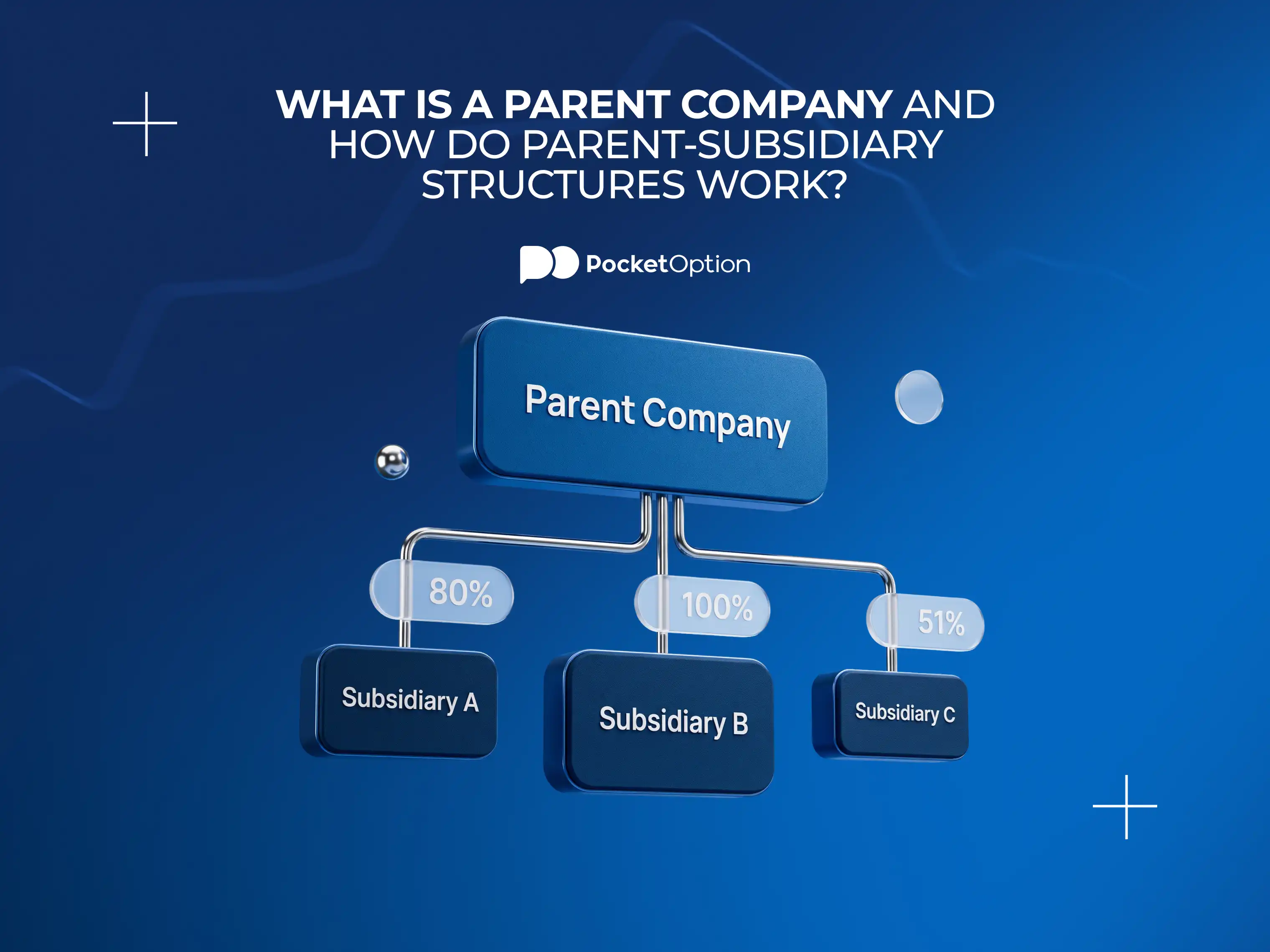
When a trader buys company stock on an exchange, the ticker typically represents the parent company, not any single business line underneath it. Understanding what a parent company is and how subsidiaries feed into consolidated results is essential for reading financial statements accurately.
 Rudy ZayedGiảm giá
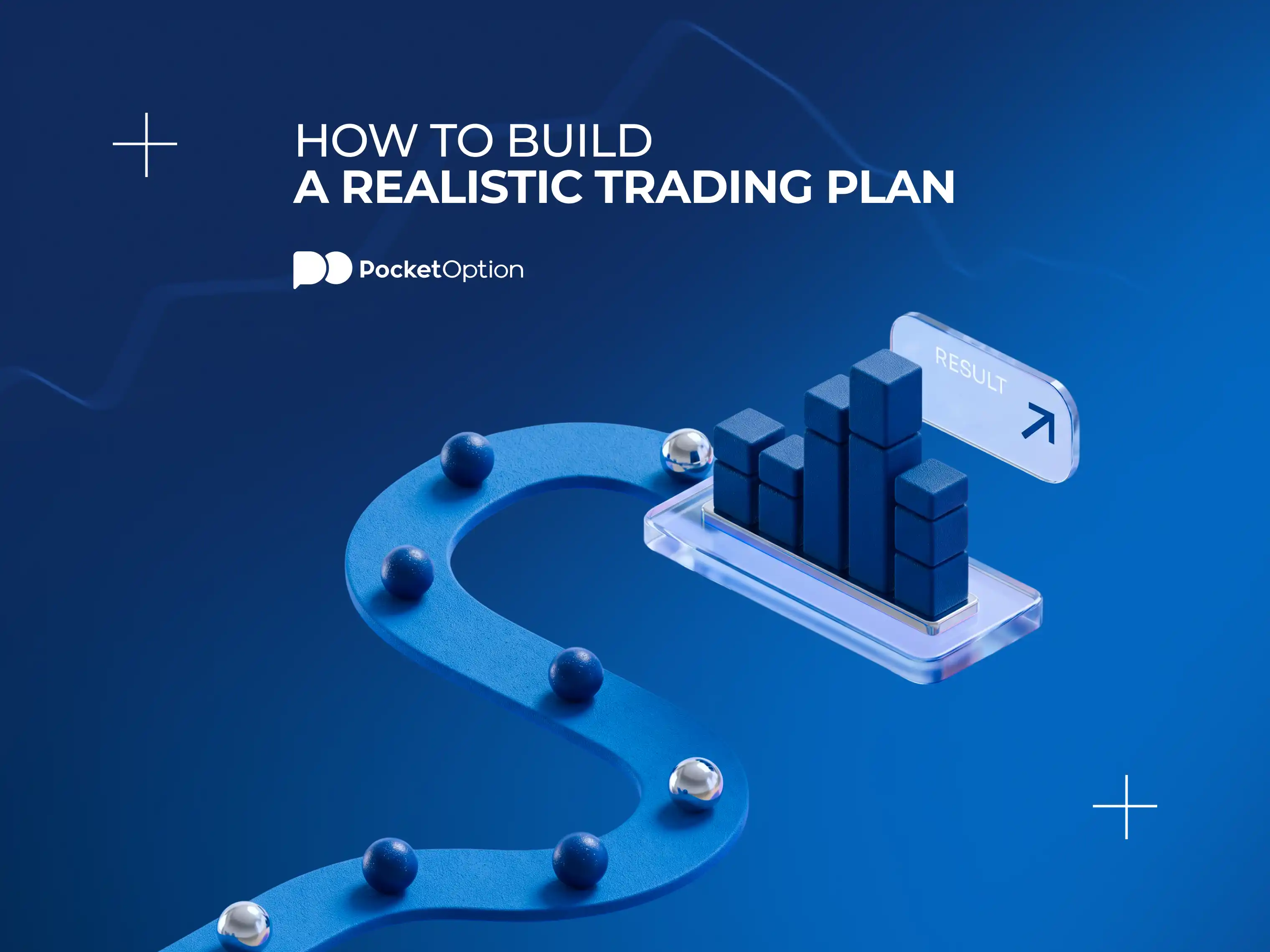
A poor setup is rarely to blame for a losing trade. More often than not, the culprit is the absence of any plan whatsoever. To put that right, this guide will show how to build a trading plan with eight steps in sequence. Make use of Pocket Option’s charts, social tools and demo account as you go from setting the goals and risk tolerance to establishing a routine that has been journaled and tested on the demo.
 Albert RobertsonGiảm giá
When you look at a stock or asset price on a trading platform, you almost always see more than the current price: you also see how much it has moved, shown as both a number and a percentage. The number is net change, and it tells you, in absolute terms, how much an asset's price has gone up or down over a given period.
 Albert RobertsonGiảm giá
Have you ever looked at a futures price and wondered why it differs from the current spot price? Sometimes futures trade higher than spot; other times, lower. The explanation lies in cost of carry, the set of factors that link spot and futures prices. This guide explains what cost of carry means, what it includes, and how it determines whether futures trade above or below spot.
 Albert RobertsonGiảm giá
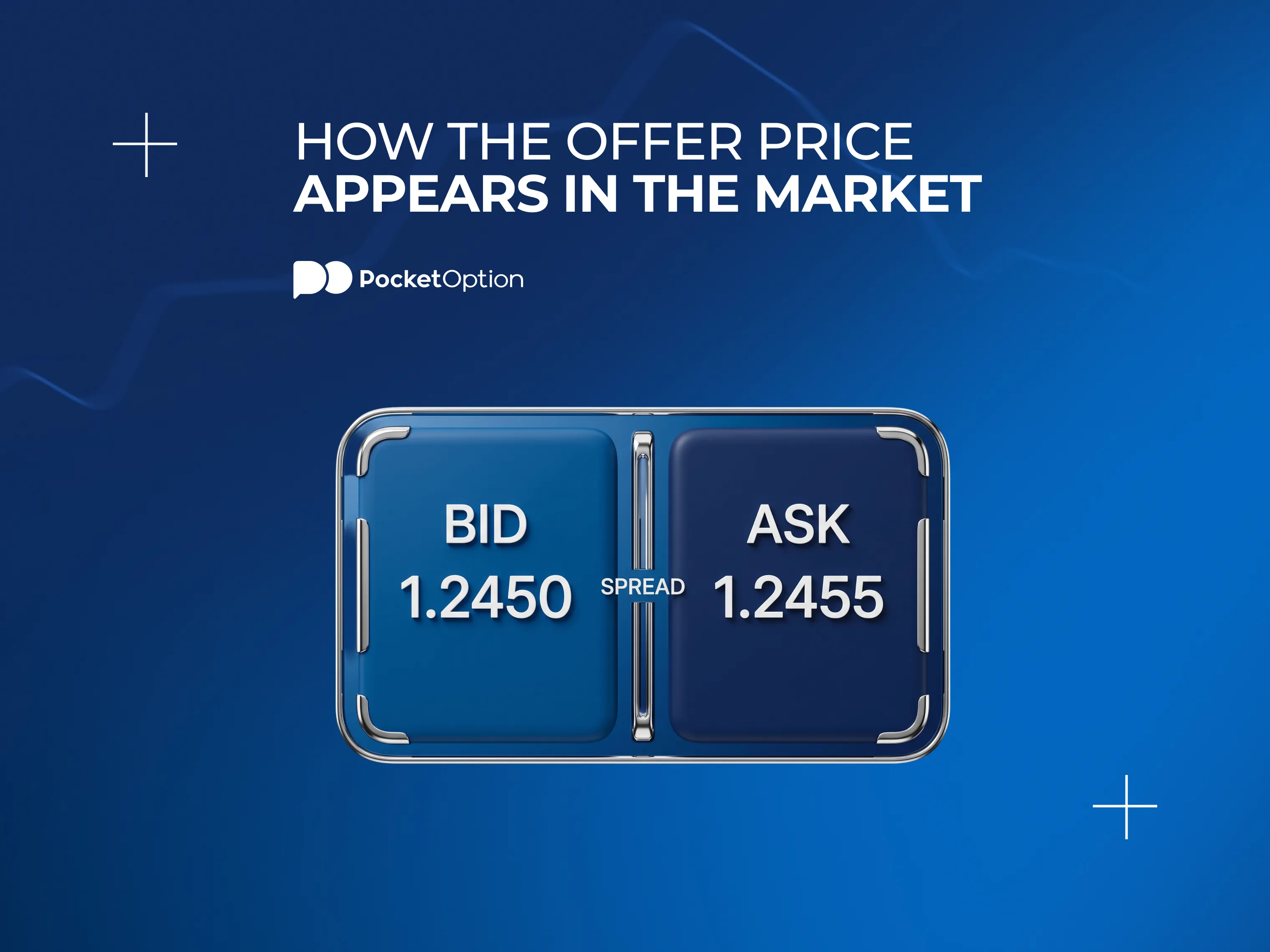
Every price quote in financial markets is actually two prices, not one. If you have ever looked at a stock or currency pair and wondered why there are two numbers side by side, you have encountered the bid and the offer. This guide explains what the offer price means in everyday trading, how it differs in an IPO context, and how it forms the spread.