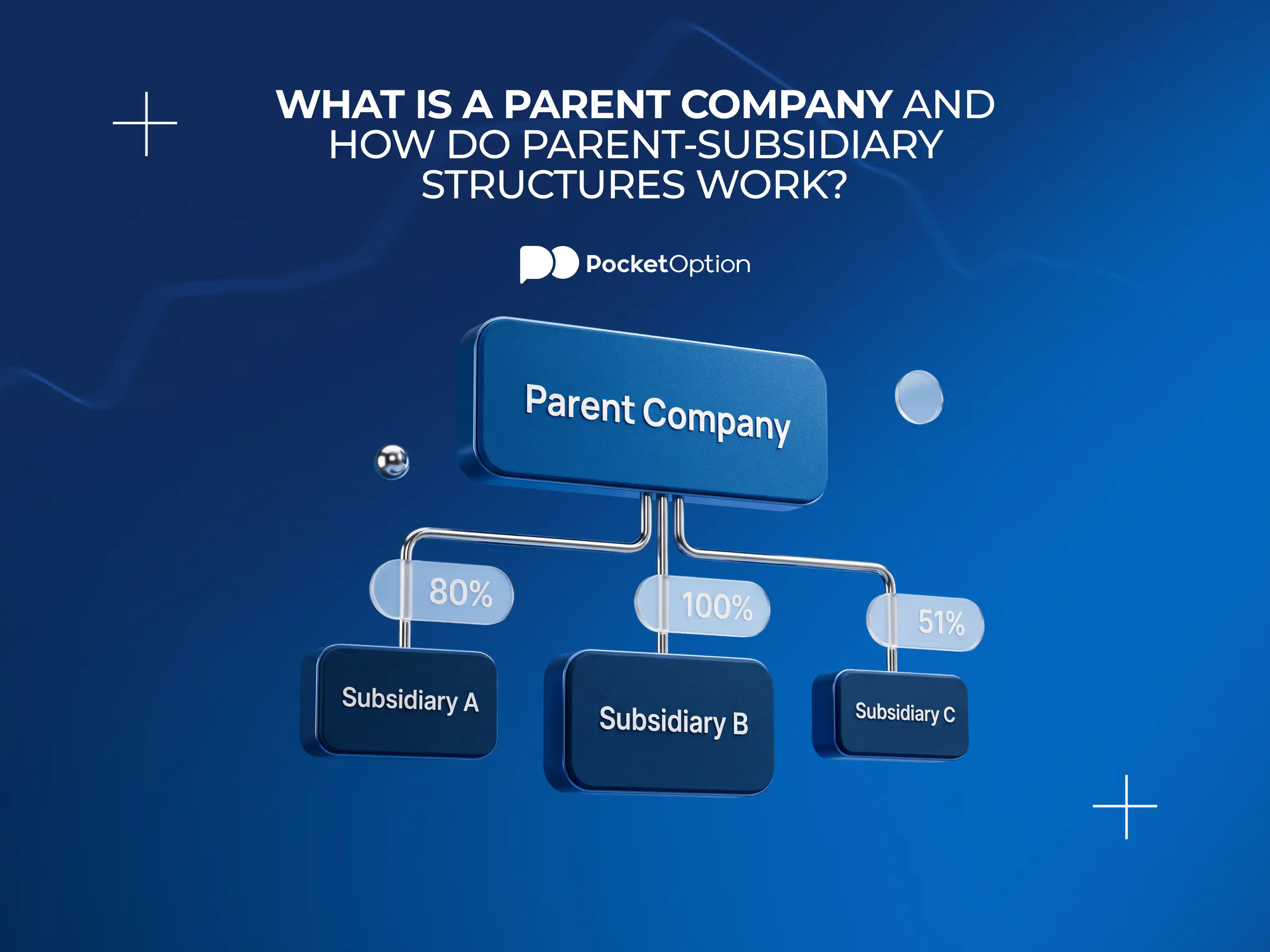
What Is a Parent Company and How Do Parent-Subsidiary Structures Work?
When a trader buys company stock on an exchange, the ticker typically represents the parent company, not any single business line underneath it. Understanding what a parent company is and how subsidiaries feed into consolidated results is essential for reading financial statements accurately.

What Is a Parent Company: Definition
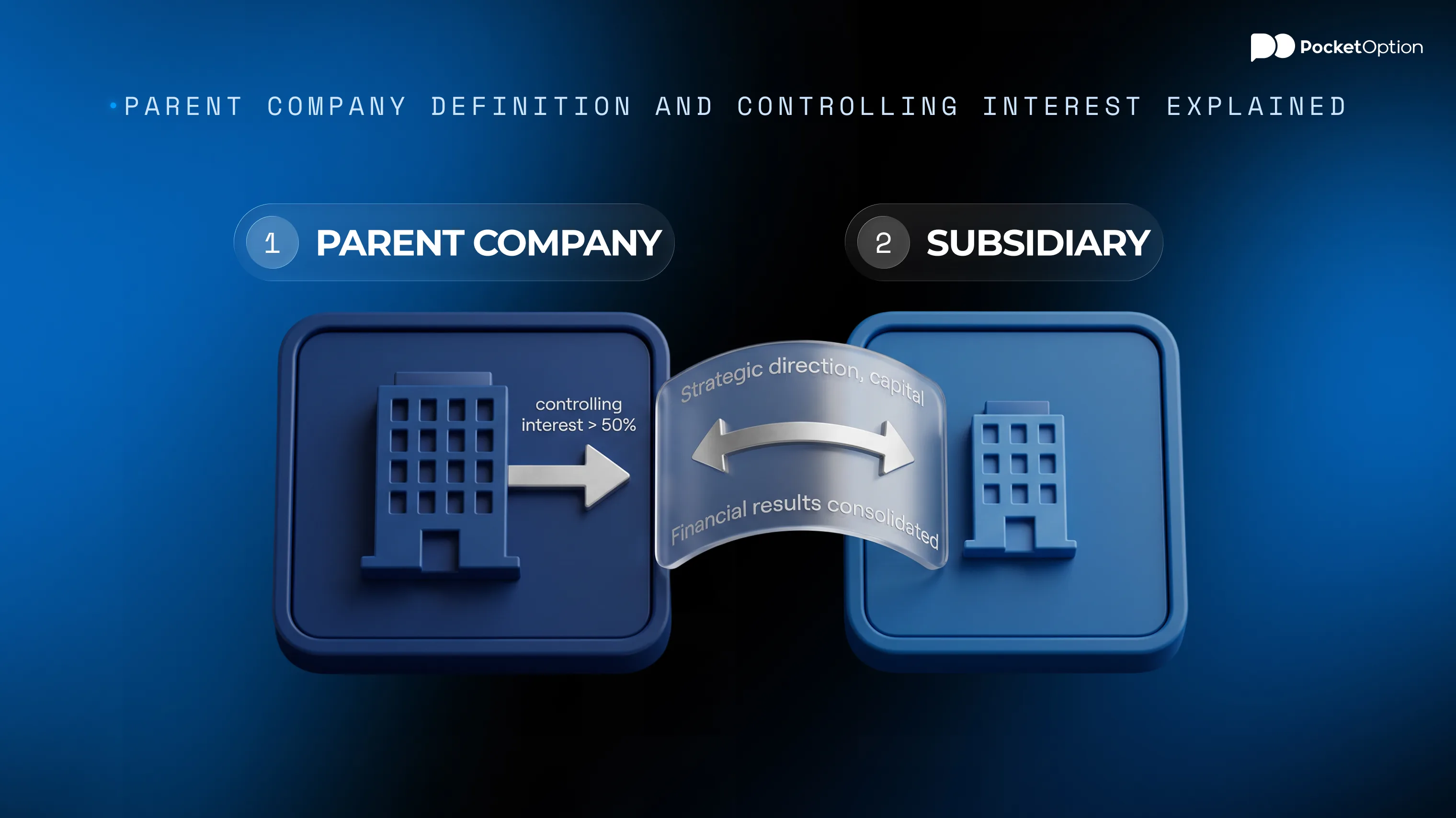
A parent company is a corporation that owns a controlling interest in one or more subsidiaries. Control is typically established by holding more than 50% of voting shares. Each subsidiary is a separate legal entity with its own liabilities and operations, but the parent consolidates all financial results into a single set of group accounts.
How a Parent-Subsidiary Structure Works
In a typical structure, the parent company sits at the top and owns shares in subsidiaries that may operate in different markets or geographies. The parent provides strategic direction, allocates capital, and appoints key management. A review of equity trading metrics and fundamentals covers how these layers are reflected in the metrics investors use.
Berkshire Hathaway is a well-known example: the parent company of dozens of subsidiaries in insurance, energy, and manufacturing. A guide to how Berkshire Hathaway shares are structured and traded shows how the share price reflects their combined value.
Parent Company vs Holding Company
The terms overlap but are not identical. A parent company typically runs its own operations alongside owning subsidiaries. Holding companies exist primarily to own shares in other entities and rarely operate independently. All holding companies are parent companies, but not every parent company is a holding company.
for trading stocks and other popular markets
Open DemoWhy the Ticker You Trade Represents the Parent Company
When company stock is listed on an exchange, the entity behind the ticker is almost always the parent company. Buying one share means acquiring fractional ownership of the parent, which holds its controlling interest in every subsidiary. The share price reflects the market's assessment of the entire group. This is why a parent company's stock can move on news from a subsidiary that most investors have never heard of.
How Subsidiary Results Get Consolidated Into Parent Financials
Under IFRS and US GAAP, a parent company must consolidate the revenues, expenses, assets, and liabilities of every entity it controls. The consolidated statements represent the group as a whole. Understanding fundamental analysis of company financials helps investors read these reports properly.
Where the parent does not own 100%, the outside shareholders' portion is reported as a minority interest. Analysis of how corporate earnings flow into stock valuations shows how subsidiary earnings feed into dividends and valuations.
Demo account and risk-free conditions!
Get StartedConclusion
A parent company owns a controlling interest in subsidiaries and consolidates their results into group financials. When company stock is traded, the ticker represents the parent, and the share price reflects every business underneath it. Distinguishing parent companies from holding companies and understanding how subsidiary events affect group earnings are practical skills for evaluating any listed stock.
Risk Disclaimer: Trading involves significant risk of capital loss. Past performance does not indicate future results. This article is for educational purposes only and should not be treated as financial advice.
See more:Glossary