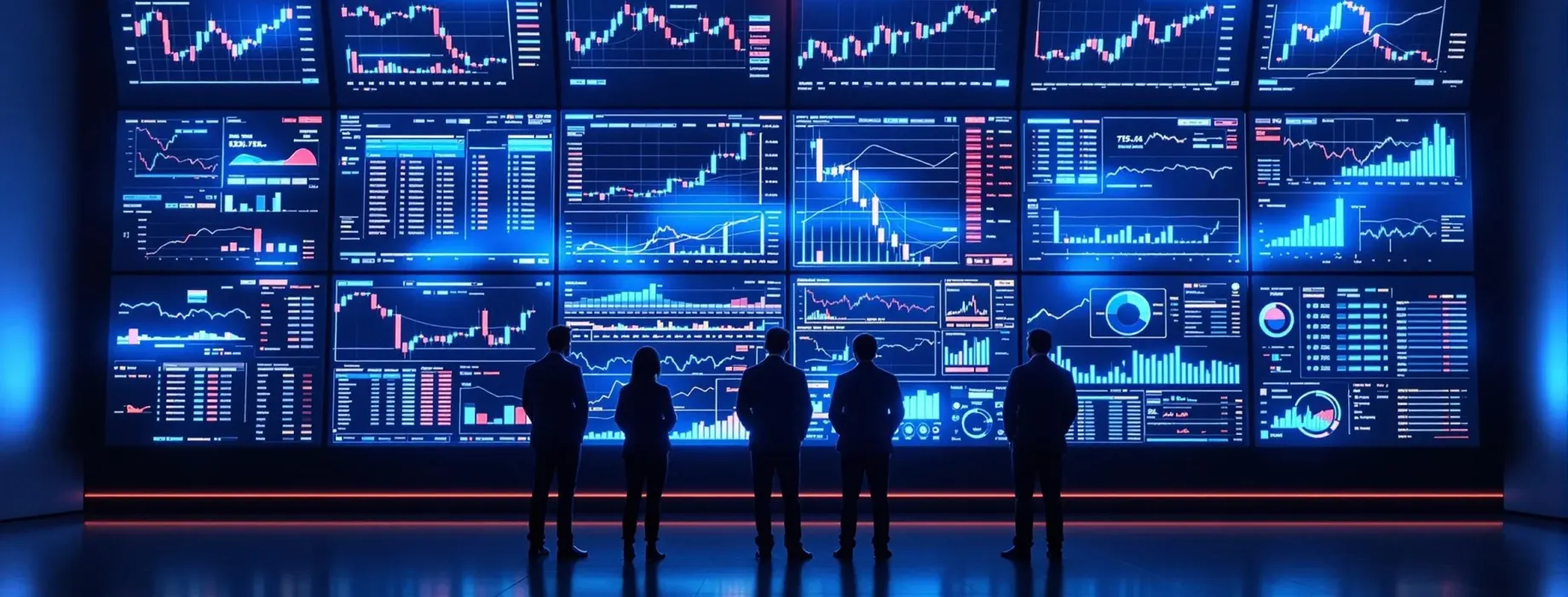
NYSE Trading Floor: The Heart of American Financial Markets
The New York Stock Exchange trading floor represents one of the most recognizable symbols of American capitalism. This physical space, where traders execute transactions worth billions daily, continues to operate despite the rise of electronic trading systems, maintaining its historical significance in global finance.
History of the NYSE Trading Floor
The NYSE trading floor has evolved significantly since its humble beginnings under a buttonwood tree in 1792. Today, it occupies a significant portion of the iconic building at 11 Wall Street. Despite technological advancements that have shifted much trading to electronic platforms, the floor maintains its relevance as a central hub for market activity.
| Time Period | Key Developments |
|---|---|
| 1792-1903 | Initial trading agreements and various temporary locations |
| 1903-1970s | Establishment at current location with manual trading systems |
| 1980s-2000s | Introduction of computer systems alongside floor trading |
| 2000s-Present | Hybrid model maintaining floor trading while embracing electronic systems |
How Floor Trading NYSE Works Today
Despite the digital revolution in finance, floor trading nyse operations continue to play a crucial role in market stability. The floor brokers and designated market makers (DMMs) work together to facilitate trades, especially during complex transactions and market openings/closings.
- Floor brokers represent client interests directly on the trading floor
- DMMs maintain fair and orderly markets for their assigned securities
- Specialized trading posts organize activity by sector
- The floor serves as a central point for handling large block trades
| Floor Participant | Primary Function |
|---|---|
| Floor Brokers | Execute trades on behalf of clients |
| DMMs | Maintain orderly markets in assigned stocks |
| Supplemental Liquidity Providers | Add liquidity to the market |
| Floor Officials | Oversee trading activity and resolve disputes |
Benefits of Physical Trading Floors
In an era where trading platforms like Pocket Option offer digital alternatives, the NYSE trading floor maintains distinct advantages. The human element provides judgment and oversight that algorithms cannot fully replicate, particularly during volatile market conditions.
- Human judgment during market volatility
- Better price discovery for complex transactions
- Reduced market manipulation through physical oversight
- Improved liquidity for large institutional orders
| Benefit | Real-World Impact |
|---|---|
| Human Oversight | Prevents flash crashes and unusual price movements |
| Complex Order Handling | Better execution of multi-faceted trading strategies |
| Opening/Closing Auctions | More stable price formation during critical market periods |
| Market Transparency | Visible trading activity builds investor confidence |
Technology and the Modern Trading Floor
Today's NYSE trading floor represents a blend of tradition and technology. Traders utilize handheld devices while still maintaining the face-to-face interactions that define floor trading. This hybrid approach combines the benefits of electronic efficiency with human judgment.
- Digital order management systems for traders
- Real-time data displays throughout the floor
- Specialized communication networks
- Advanced market surveillance systems
| Technology | Function on Trading Floor |
|---|---|
| Handheld Devices | Allow traders to receive and execute orders electronically |
| Trading Workstations | Provide market data and order entry capabilities |
| Display Systems | Show real-time market information across the floor |
| Communication Networks | Connect floor participants with outside clients |
Accessing the NYSE Trading Floor
While the trading floor is not open to the general public for trading purposes, there are ways to observe and understand its operations. The NYSE offers limited tours and visitor programs, and many financial professionals may access the floor through member firms.
| Visitor Type | Access Level |
|---|---|
| Member Firm Representatives | Full trading access through sponsoring firms |
| Listed Company Executives | Bell ringing ceremonies and special events |
| Media Representatives | Designated areas for reporting on market activity |
| Special Guests/Tours | Limited observation access on scheduled basis |
Conclusion
The NYSE trading floor continues to serve as a vital component of global financial markets despite advances in electronic trading. Its blend of human expertise and technology provides unique benefits for complex transactions and market stability. While platforms like Pocket Option represent the digital future of trading, the physical floor maintains its relevance by adapting to changing market conditions while preserving the human element that has defined Wall Street for generations.
See more:stockplatformKnowledge baseMarkets