What Is Liquidation? Forced Position Closure and Liquidation Price
Trading with leverage means the position is larger than the money put up for it. When losses eat through that money, the platform closes the trade automatically. That forced closure is liquidation, and the price where it happens can be estimated before the trade is opened.

What Is Forced Liquidation
Forced liquidation is the automatic closing of a leveraged position when the trader's margin is no longer enough to keep it open. The trader does not choose it: the broker or exchange closes the position so that losses do not exceed the collateral. It applies to margin trading, futures, perpetual contracts and leveraged CFDs, wherever borrowed exposure is involved.
How Forced Liquidation Works
Each leveraged position must keep a minimum amount of equity, called the maintenance margin. The process runs in four steps:
The trader opens a position with initial margin, for example $1,000 at 10x leverage for a $10,000 position.
The price moves against the position, and losses reduce the margin left.
When equity falls to the maintenance margin, the liquidation engine is triggered.
The position is closed at the market price, and any margin that remains, minus fees, is returned.
On many crypto platforms, part of the leftover margin goes to an insurance fund that covers positions closed at a worse price than planned. These mechanics are why leverage limits sit at the center of crypto risk management.
What Is the Liquidation Price
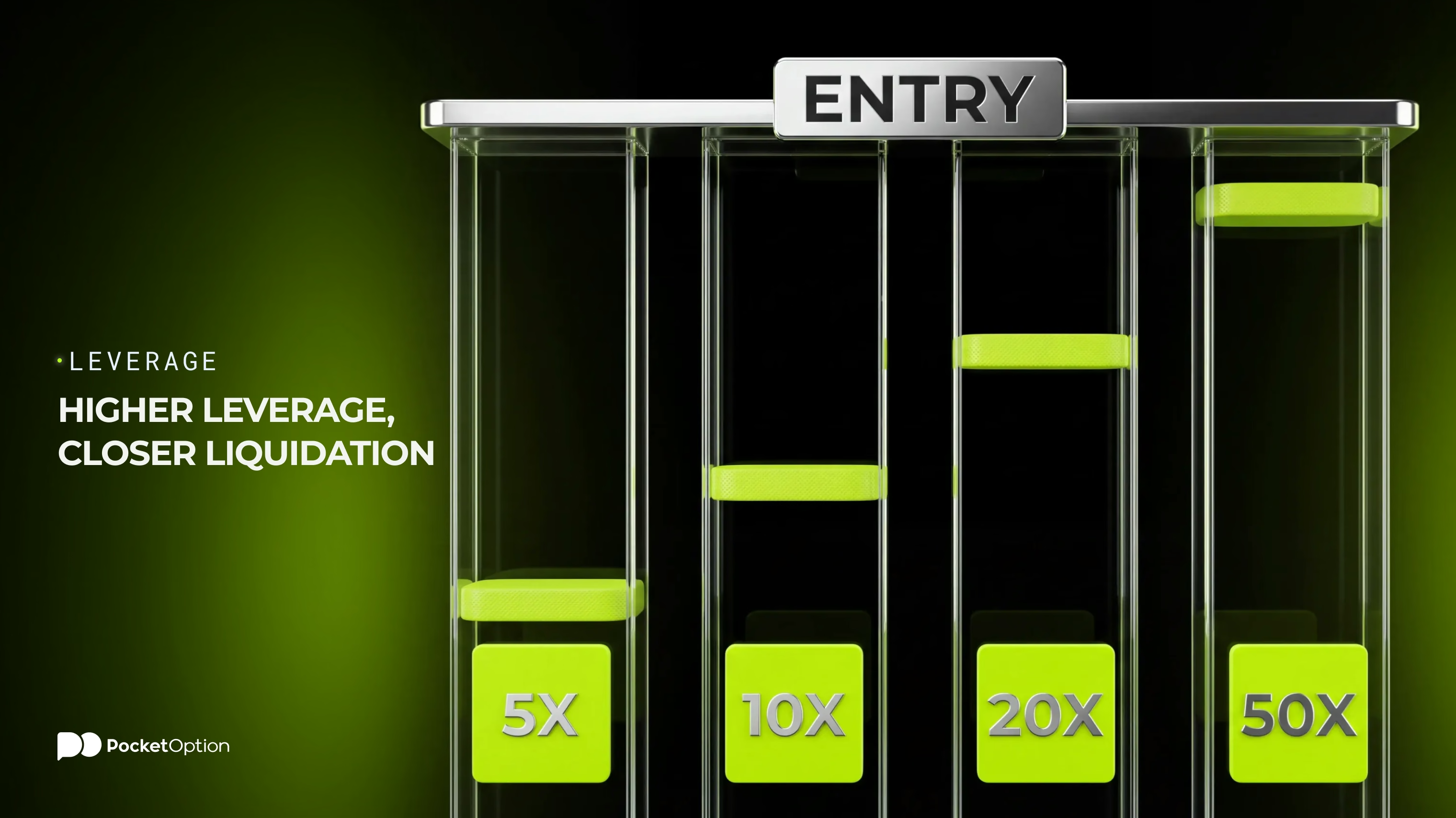
The liquidation price is the level at which the position would be closed. For a long position under a simplified isolated-margin model: liquidation price ≈ entry price × (1 - 1 ÷ leverage + maintenance margin rate). With an entry at $50,000 and a 0.5% maintenance margin rate:
Leverage | Liquidation price (long) | Distance from entry |
|---|---|---|
5x | $40,250 | 19.5% |
10x | $45,250 | 9.5% |
20x | $47,750 | 4.5% |
50x | $49,250 | 1.5% |
Higher leverage moves the liquidation price closer to the entry, and at 50x a 1.5% dip is enough. For a short, the logic is mirrored and the level sits above the entry. Real platforms add fees and funding, so their figures differ slightly.
Liquidation vs Margin Call
The margin call vs liquidation difference is warning versus action. A margin call is a notice that the account's margin level has fallen too low and more funds may be needed; liquidation is the forced closure that follows if nothing changes. Forex and CFD brokers often call the closing threshold the stop out level: when the margin level, equity divided by used margin, drops to that percentage, for example 50%, positions start to close, usually beginning with the largest loss. Treating a margin call as a final warning is part of the discipline covered in trading psychology for beginners.
Why the Closing Price Can Differ
The liquidation price is a trigger, not a guaranteed fill. In a fast market, the price can jump past it, and the position is closed at the next available price, which may be worse. Thin liquidity, overnight or weekend gaps and liquidation fees widen the difference. When many positions close at once, the selling itself can push the price further, which is how chains of liquidations form during sharp moves.
How to Reduce the Chance of Forced Liquidation
Liquidation cannot be ruled out when leverage is used, but its chance can be reduced:
Use lower leverage, which moves the liquidation price further from the entry.
Size positions so that one loss stays small relative to the account, an idea formalized in the Kelly criterion.
Set a stop-loss before the liquidation price, so the trade exits on the trader's terms.
Watch the margin level and add margin before it nears the threshold, accepting that this also adds money at risk.
Avoid holding high-leverage positions through major news releases.
Conclusion
Forced liquidation is the automatic closure of a leveraged position once equity falls to the maintenance margin, and the liquidation price marks where that happens. Calculate it before entering, keep leverage low enough that normal swings stay well clear of it, place stops before that level, and remember that in fast markets the actual fill can be worse.
Practice with virtual funds first.
Try DemoDisclaimer: CFDs and other leveraged products carry a high risk of losing money rapidly. Consider whether you understand how this product works before trading.
See more:Glossary