What Is a Shitcoin and How Is This Slang Used for Low-Quality Tokens?
In crypto chats, some tokens get a blunt label: shitcoin. The word marks a coin with little real value, use or future, usually lifted by hype rather than by a product, and knowing how to check a project yourself helps separate noise from substance.

What Is a Shitcoin
A shitcoin is a cryptocurrency or token seen as having little or no real value, utility or long-term potential. The shitcoin meaning is informal and judgmental: it is community slang for a low quality token whose price depends on attention rather than on anything the token does. Many such coins end up as worthless crypto once interest fades, but the label itself is an opinion, not a verdict.
Key Traits of a Shitcoin
The tokens that earn the label tend to share several traits:
No clear use: there is no product, or the product exists only in a white paper.
Hype-driven price: moves follow social media buzz rather than development news.
Weak or cloned code: the contract is copied from another project under a new name, often without an audit.
Extreme volatility: swings of 50% in a day are common, in both directions.
Short lifespan: trading volume dries up within months and the project goes quiet.
Two or three of these traits together usually settle it. Swings of that size are why crypto risk management starts with the size of each position.
Types of Tokens Called Shitcoins
The label tends to stick to a few groups: memecoins with nothing behind the joke, copycat tokens that clone an existing project, anonymous launches with big promises and no product, abandoned projects, and micro-caps so illiquid that one trade moves the price. Some are outright scams, such as a rug pull, where the creators withdraw the liquidity and leave holders unable to sell.
Shitcoin vs Altcoin vs Memecoin
The three terms overlap, but they describe different things:
Term | What it means | Tone |
|---|---|---|
Altcoin | Any cryptocurrency other than Bitcoin | Neutral |
Memecoin | A token built around a joke, meme or internet culture, usually community-driven | Neutral to playful |
Shitcoin | A token judged to have little or no value or future | Negative and subjective |
An altcoin or a memecoin can be a serious project or a shitcoin: the difference lies in substance, not category. Promoters with hidden stakes often push the weakest tokens hardest, a practice explained in the entry on crypto shilling.
How to Tell a Shitcoin From a Promising Project
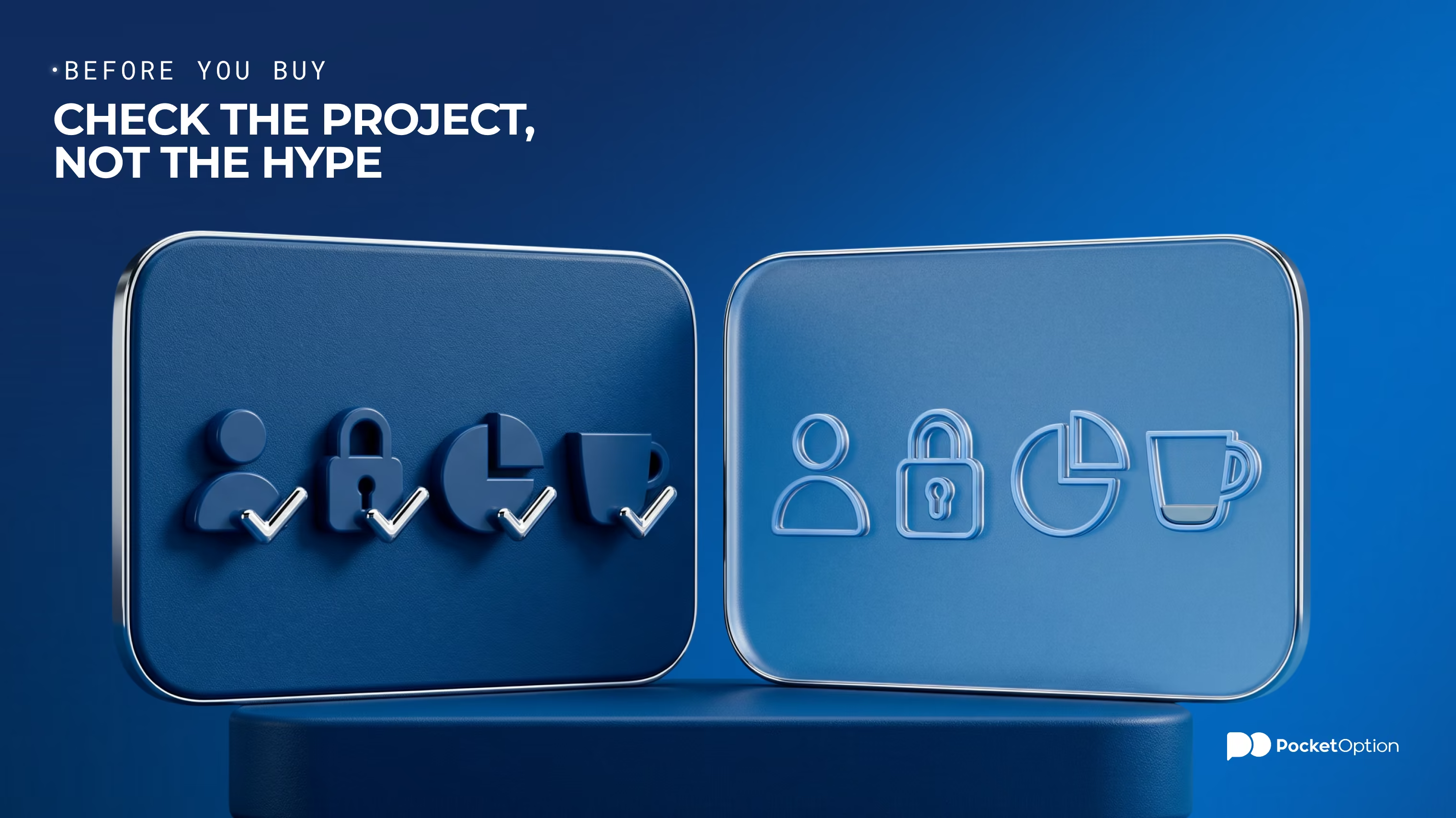
Evidence beats opinion. Before buying or trading a token, check:
Purpose: does it solve a real problem, and is there a working product?
Team: are the founders identified, with a track record that can be verified?
Code and audit: is the contract open source and audited by a known firm, and can the team create new tokens at will?
Tokenomics: how is the supply split, and when do team tokens unlock? The basics are set out in this guide to tokenomics.
Liquidity: how deep is the trading pool, and is the liquidity locked?
Claims: does the project promise guaranteed returns or price targets?
Liquidity matters more than beginners expect. In a standard pool holding $20,000 on the stablecoin side, selling tokens worth $5,000 at the quoted price returns only about $4,000 and pushes the price down by roughly 36%. No checklist is a guarantee, but each red flag lowers the odds.
Why Not Every Small Coin Is a Shitcoin
Market size and quality are different things. Every large project started small, and a new token may simply lack history rather than substance. A modest market cap or a playful brand does not make a project worthless, and a large market cap does not prove value. The label is subjective, so the checks above matter more than what a forum calls a coin.
Risks of Trading Shitcoins
Trading such tokens carries risks beyond normal crypto volatility: heavy slippage, sudden collapses of 80% to 90%, rug pulls, delistings and little recourse. Pump-and-dump schemes favor small tokens because their prices are easy to move. A $500 position that falls 90% is worth $50 and needs a tenfold rise to recover. The general rules of crypto trading apply to every coin, but with shitcoins a total loss is a realistic outcome, not a remote one.
Conclusion
A shitcoin is a token judged to have little real value, use or future, a subjective label that often fits hype-driven, poorly built or illiquid projects. Judge each token on evidence, meaning its purpose, team, code, tokenomics, liquidity and claims, size any trade so that a total loss is affordable, and remember that no single check guarantees a project is safe.
Read crypto charts on the Pocket Option demo
Try DemoDisclaimer: Cryptocurrencies are highly volatile, and low-liquidity tokens can lose most or all of their value. This content is for informational purposes only and is not investment advice.
See more:Glossary