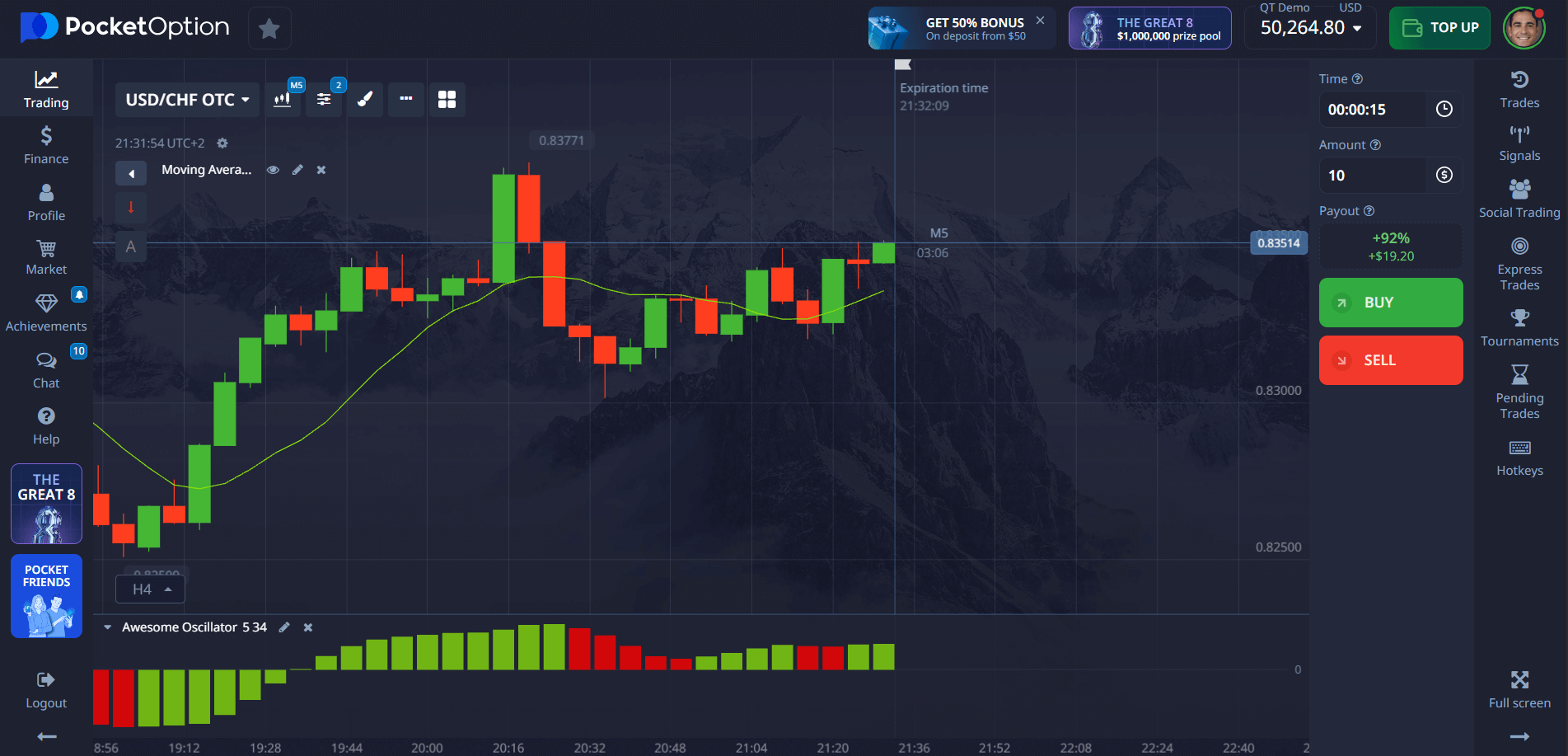
Why Is Uber Stock Down Today? Fresh Pressure Despite Strong YTD Gains
Why is Uber stock down today? Despite gaining over 18% year-to-date, Uber Technologies Inc. has experienced fresh selling pressure in late April 2025. Investors are questioning short-term risks after recent lawsuits, regulatory actions, and earnings misses. This article explores what’s driving the pullback, what analysts are saying, and how traders use advanced tools on Pocket Option to assess broader market conditions.
Why Is Uber Stock Down Today: Real-Time Factors
As of April 30, 2025, Uber stock is trading at $79.42 — up from $66.85 in January. However, despite strong year-to-date growth, recent sessions have brought a wave of selling. So, why is Uber stock down today?
- FTC Lawsuit (April 24): The Federal Trade Commission sued Uber for allegedly misleading users about its Uber One subscription service. Shares dropped 4.8% on the news.
- Q4 Earnings Disappointment: In February, Uber reported operating income of $770 million, missing analyst estimates of $1.2 billion, leading to a 7% single-day drop.
- Weaker Demand Forecasts: Analysts downgraded near-term expectations due to harsh winter weather and a stronger dollar impacting U.S. booking volumes.

Breaking Down the Financial Headwinds
While Uber's long-term outlook remains positive, investors have reacted to several short-term concerns that explain why is Uber stock down today:
| Trigger | Description | Market Response |
|---|---|---|
| FTC Legal Action | Deceptive marketing allegations regarding Uber One | Loss of $2.8B in market cap on April 24 |
| Missed Earnings | Q4 2024 results fell short of revenue and profit expectations | 7% drop in February |
| Lower Guidance | Slower-than-expected growth in rides and Eats bookings | Downgrade by UBS and Wedbush |
Analyst Commentary: Diverging Views
Analyst opinions help explain why is Uber stock down today despite its strong YTD chart:
- UBS: Cut price target from $87 to $82, citing "litigation overhang and margin pressure."
- Wedbush: Maintains “Outperform” rating but notes that “Q1 expectations need a reset.”
- BMO Capital: Highlights Uber’s expanding margin but warns of “PR risk” from regulatory scrutiny.
What Traders Can Do: Pocket Option Tools for Any Market
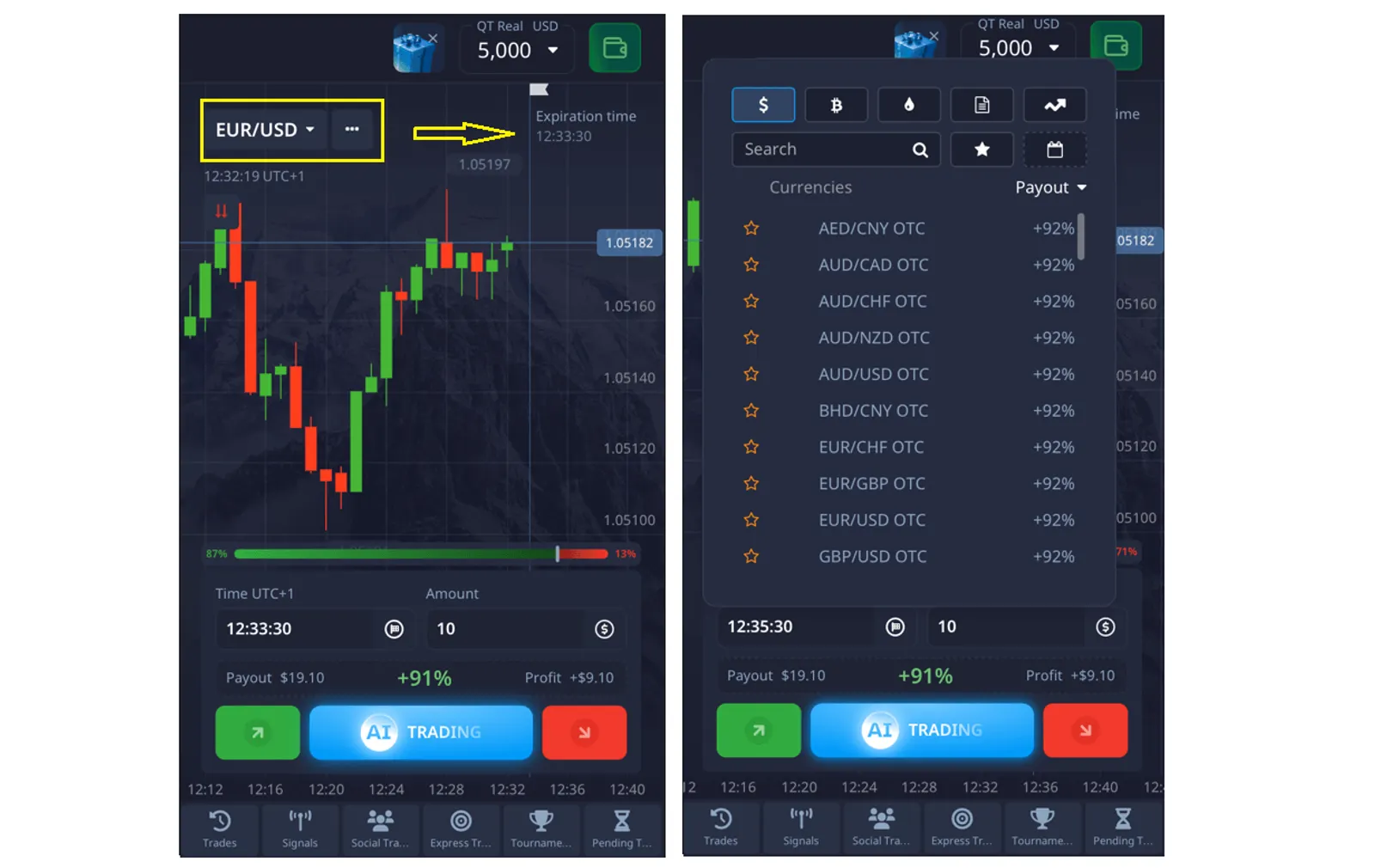
Whether analyzing Uber or other assets, traders rely on comprehensive tools to interpret real-time volatility. On Pocket Option, you can forecast price direction across 100+ tradable assets without buying them outright.
The platform offers:
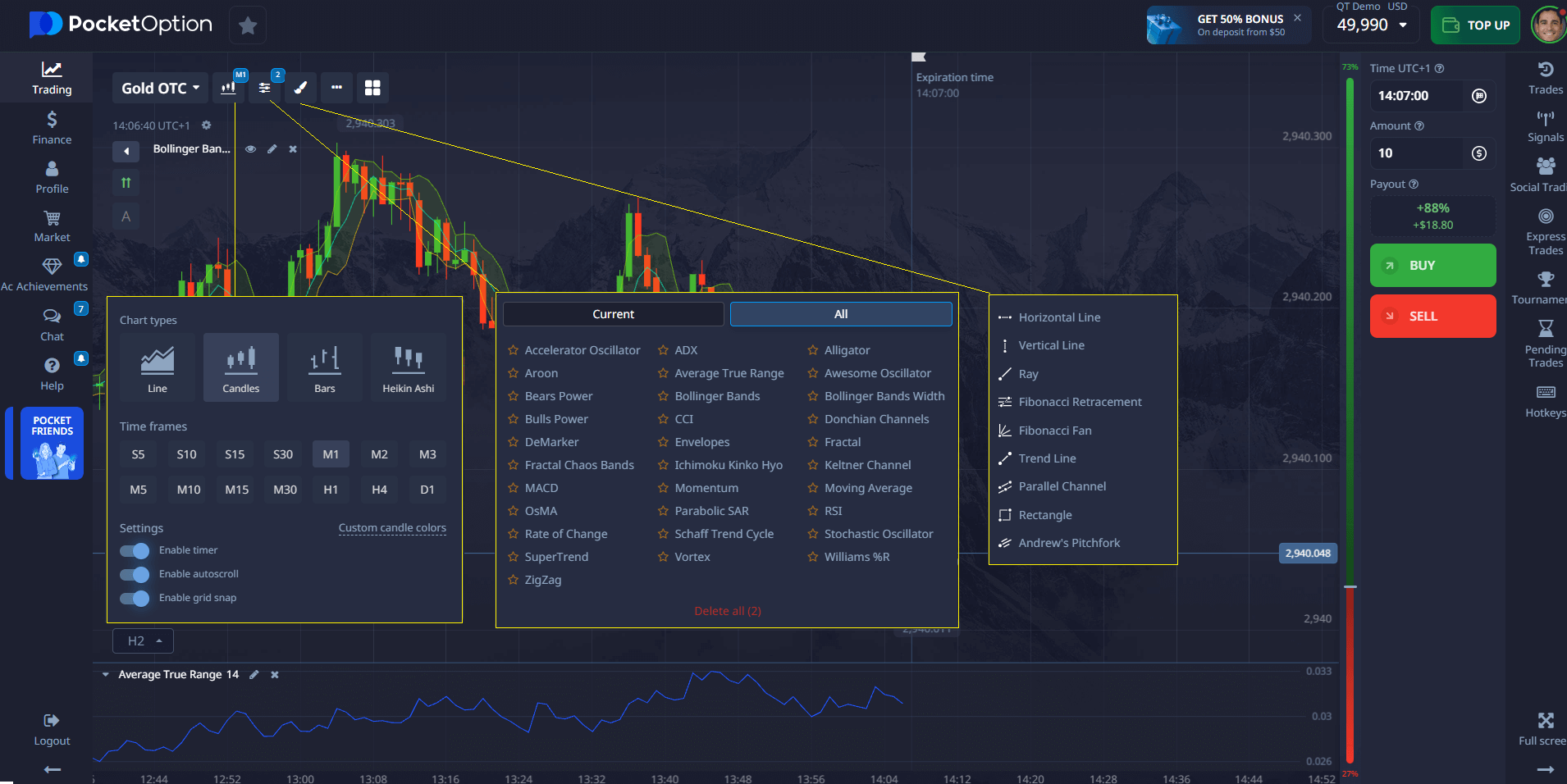
- Over 30 technical indicators for spotting trends and reversals
- Multi-timeframe charts and drawing tools
- News feeds, market sentiment scores, and volume-based signals
- MetaTrader integration for CFD trading with advanced analytics
Technical Snapshot: Uber’s Chart in April 2025
Recent chart behavior reflects elevated uncertainty. Key levels include:
- Support: $76.50 — held twice during April after pullbacks
- Resistance: $83.20 — rejected twice on lower volume
- RSI: Currently at 47 — suggesting neutrality
Volume divergence and legal news spikes have created high volatility zones — an ideal environment for short-term strategies on correlated assets.
Conclusion
Why is Uber stock down today, despite strong performance in early 2025? The short answer lies in legal troubles, earnings disappointment, and shifting sentiment. While Uber remains above January levels, recent challenges have cast uncertainty on its Q2 outlook. Traders using Pocket Option’s platform can apply technical and sentiment tools across similar market environments to identify setups and reduce exposure to single-stock risk.
Voir plus:strategyinvestmentstockpatternhowKnowledge baseTrading