
If I Bought 100 Bitcoin in 2010: A Journey Through Time
Buying 100 Bitcoin in 2010 could have turned cents into millions, showing the power of early adoption. This article covers Bitcoin’s evolution, early opportunities, and impact on finance.
What if you invested $100 in Bitcoin in 2010?
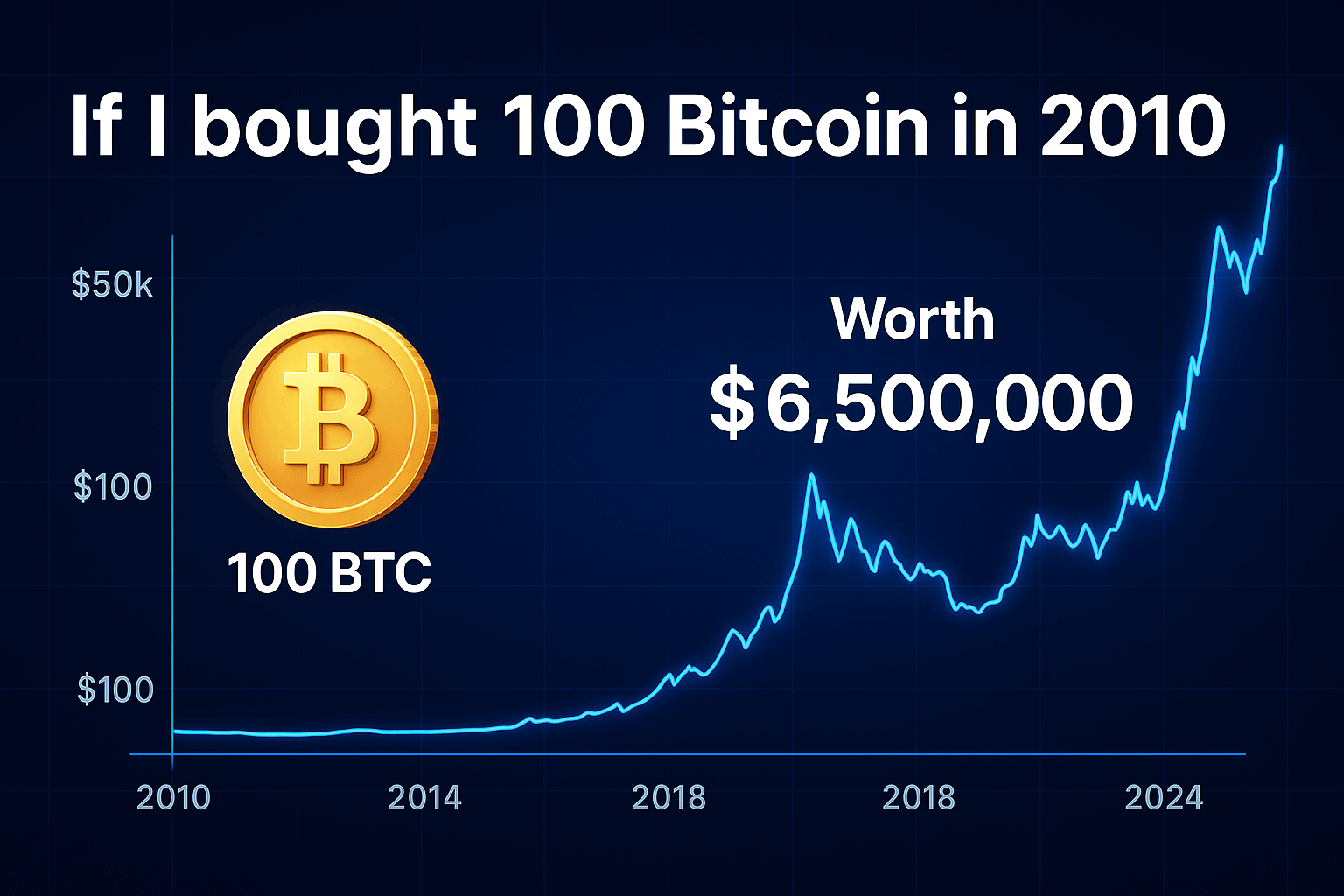
Bitcoin first appeared in 2009, when its creator, Satoshi Nakamoto, mined the genesis block. While Bitcoin had no established market value in its initial year, by mid-2010, a few online transactions priced one Bitcoin at approximately $0.0007. Thus, if you had invested $100 in Bitcoin in 2010, you could have obtained around 142,857 BTC. At a current price of around $45,500 per Bitcoin, that investment would now be worth approximately $6.5 billion.
Calculation:
$100 / $0.0007 ≈ 142,857 BTC
142,857 × $45,500 ≈ $6,500,053,500
This hypothetical scenario underscores the extraordinary opportunity presented during Bitcoin’s nascent stage. The early adopters who believed in the underlying blockchain technology laid the foundation for one of the most disruptive financial revolutions.
The Rise of Bitcoin as an Investment
Bitcoin has captured the attention of investors since its inception, particularly as its value has skyrocketed over the years. The rise of Bitcoin as a viable investment began in 2010, when early adopters recognized the potential of this digital currency. Although many viewed Bitcoin in 2010 with skepticism, those who invested in Bitcoin at this stage have since witnessed exponential gains, highlighting the long-term value of holding BTC as part of an investment portfolio.
Understanding Bitcoin in 2010
In 2010, Bitcoin was still a relatively new concept, trading at a mere fraction of a dollar. Investors were beginning to understand the underlying technology of blockchain, which enables secure transactions without the need for intermediaries. During this time, buying 100 Bitcoin would have cost approximately 8 cents each, making it an accessible entry point for many. Those who recognized the potential early on and invested in Bitcoin laid the groundwork for substantial future gains. And what if I invested 100 in Bitcoin in 2010? With today’s prices, that single choice could have grown into a portfolio worth millions, highlighting the historical magnitude of Bitcoin’s rise.
The Concept of Cryptocurrency
Cryptocurrency represents a revolutionary shift in how we perceive and use money. Unlike traditional currencies, cryptocurrencies like Bitcoin are decentralized and operate on blockchain technology, providing transparency and security. In 2010, the concept of investing in digital currencies was still in its infancy, and Bitcoin stood out as the first successful cryptocurrency. As more people learned about the benefits of crypto, the interest in investing surged, paving the way for future innovations.
Initial Investment Opportunities
When Bitcoin first emerged, the investment opportunities were limited, but for those willing to take the risk, the rewards were potentially significant. Early investors could easily purchase 100 in Bitcoin, which at the time was seen as a speculative venture. As Bitcoin began to gain traction, many people started to trade Bitcoin, leading to increased volatility in its price. This initial investment would have positioned early adopters to experience a wealth of gains as Bitcoin’s value soared to billions, illustrating the dynamic nature of cryptocurrency investments.
How Much is 100 in Bitcoin Worth Today?
Calculating the Current Value
To understand how much 100 in Bitcoin is worth today, we first need to consider the historical price of Bitcoin and its growth trajectory since 2010. Initially, Bitcoin traded at approximately 0.0008 per Bitcoin in July 2010. This means that if an investor bought 100 Bitcoin back then, the total investment would have been around 8 cents. Fast forward to today, with Bitcoin's price reaching tens of thousands of dollars, the 100 Bitcoin investment would now be worth millions, showcasing the remarkable potential of cryptocurrency investments.
Factors Influencing Bitcoin's Worth
The value of Bitcoin is influenced by various factors that drive its price volatility. These include market demand, regulatory news, technological advancements, and macroeconomic trends. As more individuals and institutional investors recognize Bitcoin as a legitimate asset class, demand increases, pushing prices higher. Additionally, the limited supply of Bitcoin creates scarcity, further impacting its worth. Events such as halving, where the reward for mining Bitcoin is cut in half, also play a significant role in determining the future value of Bitcoin.
Real-Life Case Studies of Early Investors
Examining real-life cases of early Bitcoin investors highlights the profound impact of investing in Bitcoin during its formative years. For instance, an individual who invested 100 in Bitcoin in 2010 would have witnessed their portfolio grow exponentially over the years. Many such investors have shared their stories of trading Bitcoin and enjoying substantial gains, leading to significant changes in their net worth. These case studies not only inspire new investors but also illustrate the transformative power of cryptocurrencies in the financial landscape.
What If I Invested $1,000 in Bitcoin 10 Years Ago?
In 2013, Bitcoin was trading around $100. Investing $1,000 in Bitcoin 10 years ago would have yielded approximately 10 BTC. Today, with Bitcoin hovering around $60,000, this investment would be worth over $600,000.
| Year | Investment | BTC Price | BTC Acquired | Value in 2025 |
|---|---|---|---|---|
| 2010 | $100 | $0.0008 | 125,000 BTC | ~$7.5B |
| 2013 | $1,000 | $100 | 10 BTC | ~$600K |
| 2015 | $1,000 | $250 | 4 BTC | ~$240K |
The Journey of a $100 Investment
Tracking Bitcoin Prices Since 2010
Tracking Bitcoin prices since 2010 reveals a fascinating narrative of volatility and growth. When Bitcoin started trading at just 0.0008 per bitcoin, early investors could buy 100 bitcoin for a mere 8 cents. As the years progressed, the price of Bitcoin experienced dramatic fluctuations, reflecting both speculative trading and increasing adoption. This historical context is crucial for understanding the current worth of Bitcoin and its trajectory as a digital currency.
Milestones in Bitcoin's Growth
Several milestones have marked Bitcoin's growth from its inception to the present day. Significant events include the first recorded transaction using Bitcoin for a physical product, the surge past $1,000 in late 2013, and the impressive climb to tens of thousands of dollars in recent years. Each of these milestones not only demonstrates Bitcoin's increasing acceptance but also showcases the potential gains for investors who bought Bitcoin when it was still relatively unknown.
Comparing Bitcoin to Other Investments
When comparing Bitcoin to other investment assets, its unique properties stand out. Unlike traditional investments like stocks or bonds, Bitcoin operates as a decentralized cryptocurrency, offering a hedge against inflation and currency devaluation. While stocks can yield dividends and bonds provide fixed interest, Bitcoin investments promise potential capital gains that can be astronomical. Investors who allocated funds to Bitcoin in 2010 have often seen returns that dwarf those of conventional investments, highlighting its status as a high-risk, high-reward asset.
What was one Bitcoin worth in 2010?
In July 2010, Bitcoin was trading at roughly $0.0008. Later that year, prices rose to around $0.08, marking Bitcoin's initial rise in value.
List of Bitcoin Price Ranges in 2010:
- January–May: Essentially $0 (no real market)
- July: ~$0.0008 (first real market price)
- October: ~$0.08
- December: ~$0.23
Understanding the early price points provides vital insights into Bitcoin’s volatility and growth potential.
What If Scenarios: Investing in Bitcoin
Hypothetical Returns on 100 Bitcoin
Considering hypothetical returns on 100 Bitcoin invites intriguing scenarios for investors. If one had invested in Bitcoin in 2010, the total investment of 100 in Bitcoin would have generated returns worth millions today. This scenario exemplifies the long-term potential of Bitcoin as an investment. As Bitcoin's price continues to fluctuate, the possible gains underscore the importance of strategic entry points in the cryptocurrency market for investors seeking significant rewards.
Lessons Learned from Early Bitcoin Investors
The experiences of early Bitcoin investors provide valuable lessons for potential investors today. Many who bought Bitcoin in 2010 faced skepticism and uncertainty, yet their patience and commitment paid off as the value soared. These investors highlight the significance of understanding market trends, the potential for volatility, and the necessity of a diversified portfolio. Their stories emphasize the importance of being well-informed and adaptable in a constantly evolving cryptocurrency landscape.
Future Predictions for Bitcoin Investments
"As institutional adoption grows and governments explore regulatory clarity, Bitcoin’s trajectory is no longer a fringe speculation — it’s a maturing asset class," — says Meltem Demirors, Chief Strategy Officer at CoinShares.
Anthony Pompliano, investor and crypto advocate, adds: "Those who dismiss Bitcoin today are likely to repeat the mistakes of those who ignored the internet in the 1990s."
Future predictions for Bitcoin investments suggest a continued evolution in its role as a digital currency and asset class. Analysts are considering factors such as regulatory developments, technological advancements, and market demand when forecasting Bitcoin's trajectory. Many believe that as Bitcoin gains acceptance among institutional investors and financial markets, its value could reach unprecedented heights. Such predictions prompt potential investors to contemplate the long-term implications of entering the Bitcoin market today.
How Pocket Option Fits the Picture
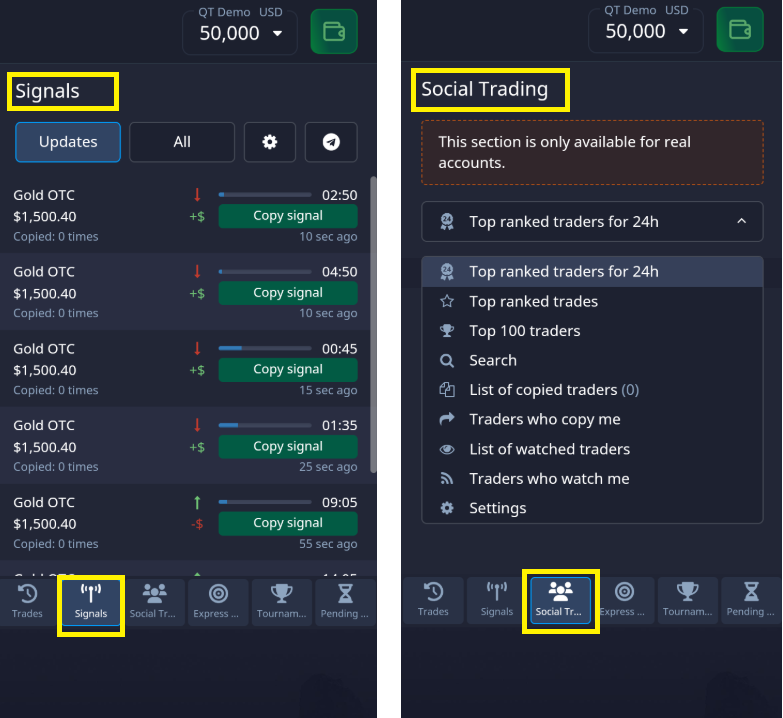
While long-term investments in Bitcoin illustrate dramatic growth, not everyone is looking to wait years for returns. Pocket Option provides a dynamic alternative through short-term trading, including cryptocurrencies like Bitcoin. The platform offers access to real-time trading, copy trading tools, and technical indicators suitable for both novice and seasoned investors.
- Instant access to over 100 assets including Bitcoin
- Social trading with performance tracking
- 50+ funding and withdrawal methods
- Intuitive interface for web and mobile platforms
Thinking Ahead
Bitcoin's story is a powerful reminder of the value of innovation and early adoption. While few could have predicted the extent of Bitcoin’s success, its rise encourages careful research and strategic risk-taking in modern finance.
Want to stay ahead in the evolving world of finance? Discuss this and other topics in our community!