Blog with Trading Strategies

user5 OKBearish
Trading Exit Strategies That Work for Both Beginners and Professionals
When it comes to trading, knowing when to exit a position is just as important as knowing when to enter. Trading exit strategies are systematic approaches that help traders close positions effectively, securing profits and limiting losses. Let's explore the most reliable methods used by successful traders.

user5 OKBearish
Event Driven Trading: Understanding the Strategy and Implementation
Event driven trading focuses on capitalizing on market movements caused by specific occurrences like earnings announcements, mergers, or economic data releases. This approach requires quick analysis and decision-making to profit from temporary price inefficiencies created by these events.

user5 OKBearish
Advanced Mathematical Framework for Execution Only Share Trading
The mathematical approach to execution only share trading requires a deep understanding of quantitative analysis and statistical methods. This trading style, focusing purely on transaction execution without advisory services, demands robust analytical frameworks to make informed decisions.

user5 OKBearish
What is Trading Ethereum: A Complete Breakdown for Beginners
Trading Ethereum involves buying and selling the second-largest cryptocurrency based on market movements to generate profit. Unlike simply holding ETH long-term, trading focuses on capitalizing on price volatility through various timeframes and strategies.

user5 OKBearish
Comprehensive Overview of Equity Volatility Trading Tools and Methods
Equity volatility trading presents opportunities for investors seeking to capitalize on market fluctuations. This approach focuses on utilizing price movement patterns rather than directional predictions, making it suitable for various market conditions. Understanding the right tools and implementation methods is crucial for effective volatility-based strategies.
user5 OKBearish
ETF Options Trading Strategies: Critical Errors and How to Fix Them
Trading options on ETFs can be profitable when done correctly, but many traders make avoidable mistakes that impact their returns. Understanding these common errors and implementing proper etf options trading strategies can significantly improve your trading outcomes.

user5 OKBearish
Trading on Margin: Understanding the Fundamentals of Leveraged Trading
Trading on margin enables investors to borrow funds from brokers to increase their purchasing power in financial markets. This approach allows traders to control larger positions with a relatively small amount of capital, potentially amplifying both profits and losses.
user5 OKBearish
ETF Trading Strategies: Essential Approaches for Modern Investors
Exchange-traded funds (ETFs) offer investors an efficient way to gain exposure to various market segments with lower costs and greater flexibility. Implementing targeted ETF trading strategies can help maximize returns while managing risk in changing market conditions.

user5 OKBearish
TradeMaster Analytics Trading Plan Development
Creating an effective trading plan requires a thorough understanding of mathematical and analytical principles. This article delves into the quantitative aspects of developing a robust trading plan, focusing on data analysis, key metrics, and result interpretation.

user5 OKBearish
Equity Derivatives Trading: Case Studies and Success Stories
The world of equity derivatives trading presents significant opportunities for investors who understand its mechanisms. This article explores real-world examples of successful trading approaches, examining the strategies that delivered measurable results for both individual traders and financial institutions.

user5 OKBearish
Advanced Trading Ex Dividend Technologies and Solutions
The landscape of trading ex dividend has undergone significant transformation with the emergence of advanced technologies. Modern platforms integrate artificial intelligence and machine learning algorithms to optimize dividend capture strategies and enhance market timing decisions.

user5 OKBearish
Fibonacci Forex Trading: Understanding the Golden Ratio in Currency Markets
Fibonacci forex trading combines mathematical principles with market analysis to identify potential price reversal zones. These sequences, derived from the Fibonacci ratio (1.618), help traders locate support and resistance levels, offering a structured approach to entering and exiting positions in currency pairs.

user5 OKBearish
Trading Execution: Understanding the Core Process of Market Transactions
Trading execution refers to the process of completing a buy or sell order in the market. It's the critical moment when your trading strategy transforms into an actual position. Understanding how execution works can significantly impact your trading results and overall performance.

user5 OKBearish
End of Day Trading Strategy: Mastering the Final Hour of Trading
End of day trading focuses on positions taken near market close, based on daily price patterns. This approach suits traders with limited time during regular hours, offering a balanced strategy between day trading and long-term investing.

user5 OKBearish
Emotional Trading: Understanding and Overcoming the Psychological Traps
Trading markets often becomes a psychological battlefield where emotions can overpower logical decision-making. When feelings like fear, greed, and anxiety take control, traders make irrational choices that hurt their performance. Understanding emotional trading is the first step to developing more disciplined and profitable strategies.

user5 OKBearish
Common Forex Trading Pattern Mistakes and Professional Solutions
Understanding forex trading patterns is crucial for success in the financial markets. However, many traders make avoidable mistakes that can significantly impact their trading outcomes. This comprehensive analysis explores common errors and provides actionable solutions for improvement.
user5 OKBearish
How Does Swing Trading Work: Understanding the Fundamentals and Strategies
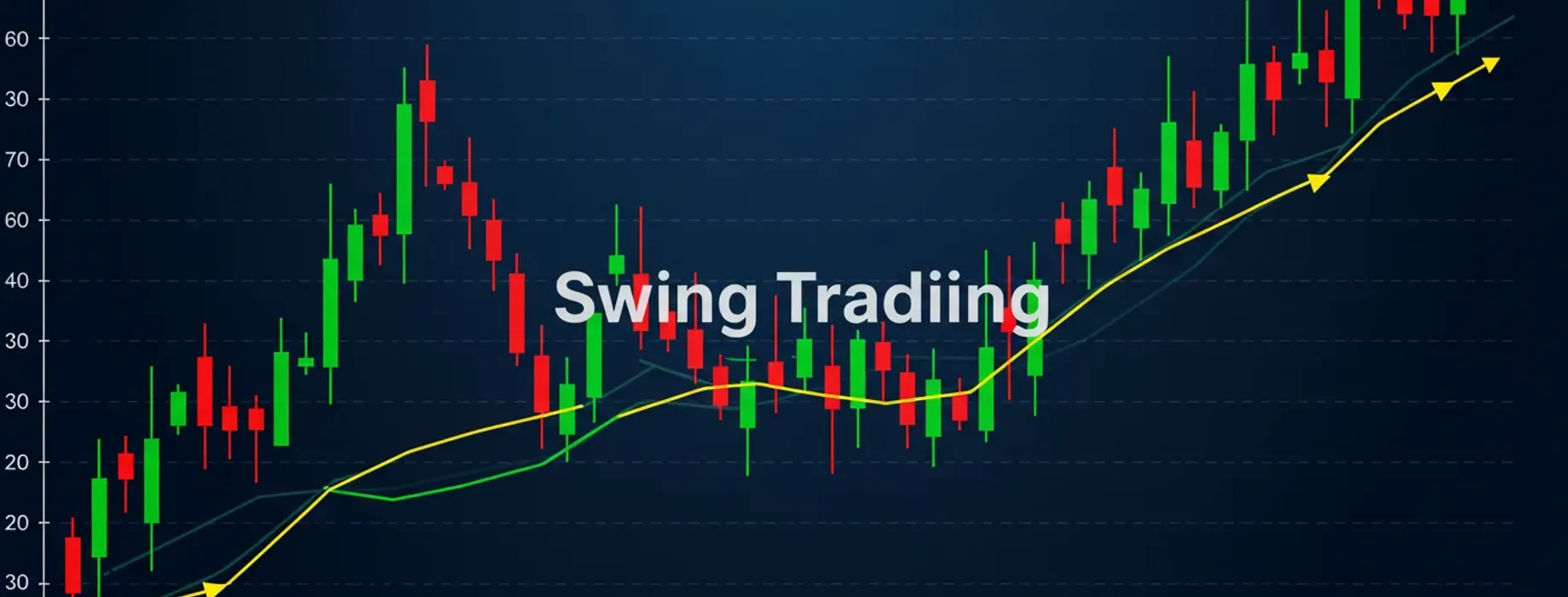
Swing trading occupies the middle ground between day trading and long-term investing, typically holding positions from several days to weeks. The approach aims to capture "swings" in price momentum, requiring less time commitment than day trading while potentially offering more frequent returns than long-term strategies.

user5 OKBearish
Does Pattern Day Trading Apply to Cash Accounts: Trading Fundamentals Explained
Understanding whether pattern day trading rules affect cash accounts is crucial for traders seeking to maximize their market opportunities. This comprehensive analysis explores regulations, requirements, and effective strategies for cash account trading.

user5 OKBearish
DataTrade Analytics Flag Pattern Trading Tools
Flag pattern trading represents one of the most reliable technical analysis methods in modern financial markets. This analytical approach combines historical data interpretation with real-time market monitoring to identify profitable trading opportunities.

user5 OKBearish
Trading Edge: Case Studies and Success Strategies in Modern Markets
Finding a trading edge in today's competitive markets has become essential for consistent success. These real-world examples demonstrate how traders identified their unique advantages and leveraged them for substantial results.

user5 OKBearish
Advanced Fibonacci Sequence Trading Analysis by MarketMath Pro
The mathematical precision of fibonacci sequence trading has transformed modern market analysis. This advanced approach combines historical price patterns with mathematical sequences to identify potential market turning points and trend reversals.

user5 OKBearish
Modern Fibonacci Trading System Implementation
The fibonacci trading system represents one of the most sophisticated approaches to technical analysis in modern trading. This mathematical-based methodology helps traders identify potential support and resistance levels, retracement points, and price targets with remarkable precision.

user5 OKBearish
MarketWise Analytics Ed Seykota Trading Strategy Implementation
The Ed Seykota trading strategy has become a cornerstone of systematic trading approaches, emphasizing disciplined decision-making and robust risk management. Understanding its principles is crucial for traders aiming to develop consistent market performance.

user5 OKBearish
TradeTech Solutions Advanced Emini Futures Trading Strategies
Modern electronic trading has revolutionized the way traders approach financial markets. Understanding emini futures trading strategies has become essential for those seeking to participate in these dynamic markets effectively. This comprehensive analysis explores the tools, platforms, and methodologies that define successful trading approaches.