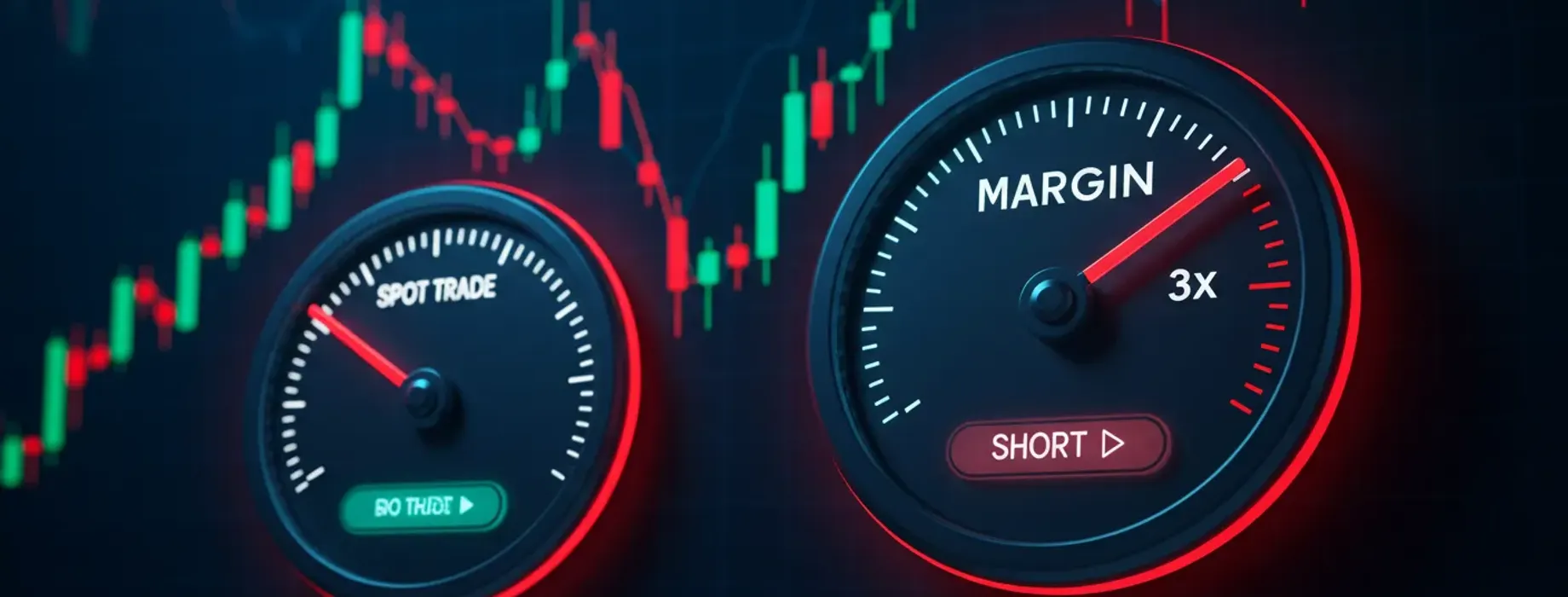
Trading on Margin: Understanding the Fundamentals of Leveraged Trading
Trading on margin enables investors to borrow funds from brokers to increase their purchasing power in financial markets. This approach allows traders to control larger positions with a relatively small amount of capital, potentially amplifying both profits and losses.
What Is Margin Trading?
Margin trading refers to the practice of using borrowed money from a broker to purchase securities. When trading with margin, you only need to deposit a percentage of the total trade value, known as the margin requirement. This deposit acts as collateral for the loan provided by your broker.
Many platforms, including Pocket Option, offer margin trading services across various financial instruments. Understanding how margin trading works is essential before engaging in this type of trading activity.
How Does Margin Trading Work?
The mechanics of margin trading are straightforward once you understand the basic concepts. Here's a breakdown of how does trading on margin work:
| Margin Trading Component | Description |
|---|---|
| Initial Margin | The percentage of the purchase price that must be covered by your own funds |
| Maintenance Margin | The minimum account balance you must maintain relative to the market value |
| Margin Call | A broker's demand for additional funds when account equity falls below requirements |
| Leverage Ratio | The ratio of the total position size to your deposit (e.g., 10:1, 50:1) |
For example, with a 5:1 leverage ratio, a $1,000 deposit allows you to control a $5,000 position. This demonstrates how margin trading can significantly increase your market exposure with limited capital.
Benefits of Trading on Margin
Trading with margin offers several potential advantages for informed traders:
- Increased buying power to capitalize on opportunities
- Ability to diversify across more assets with the same capital base
- Potential for higher returns on successful trades
- Opportunity to short-sell securities in declining markets
| Capital Size | Without Margin | With 5:1 Margin |
|---|---|---|
| $5,000 | $5,000 market exposure | $25,000 market exposure |
| $10,000 | $10,000 market exposure | $50,000 market exposure |
Risks Associated with Margin Trading
While margin can amplify profits, it also increases potential losses. Here are the primary risks when trading with margin:
- Magnified losses that can exceed your initial investment
- Margin calls requiring immediate additional deposits
- Forced liquidation of positions in volatile markets
- Interest costs on borrowed funds reducing overall returns
| Scenario | 5% Market Move | Impact with 5:1 Leverage |
|---|---|---|
| Positive Move | +5% return | +25% return |
| Negative Move | -5% return | -25% return |
Margin Trading Strategies
Effective margin trading requires disciplined strategies to manage the inherent risks:
- Start with lower leverage ratios while building experience
- Use stop-loss orders to limit potential losses
- Monitor positions regularly to avoid margin calls
- Maintain reserve capital for unexpected market movements
| Strategy Type | Recommended Leverage | Risk Profile |
|---|---|---|
| Conservative | 2:1 to 3:1 | Lower |
| Moderate | 5:1 to 10:1 | Medium |
| Aggressive | 20:1 or higher | Higher |
How Margin Trading Works in Different Markets
Understanding how margin trading works in various financial markets is crucial for specialized trading activities:
| Market | Typical Leverage | Special Considerations |
|---|---|---|
| Stocks | 2:1 to 4:1 | Subject to regulatory limits |
| Forex | 30:1 to 500:1 | Higher leverage available but varies by jurisdiction |
| Futures | 10:1 to 20:1 | Contract-specific requirements |
| Cryptocurrencies | 2:1 to 100:1 | Extreme volatility requires caution |
Conclusion
Margin trading provides opportunities for traders to increase their market exposure with limited capital. However, the increased leverage comes with proportionally higher risks. Understanding how margin trading works is essential before employing this strategy. By implementing proper risk management techniques and starting with conservative leverage levels, traders can potentially benefit from margin trading while mitigating its inherent risks. Always remember that while margin can amplify gains, it equally magnifies losses, making disciplined trading essential.