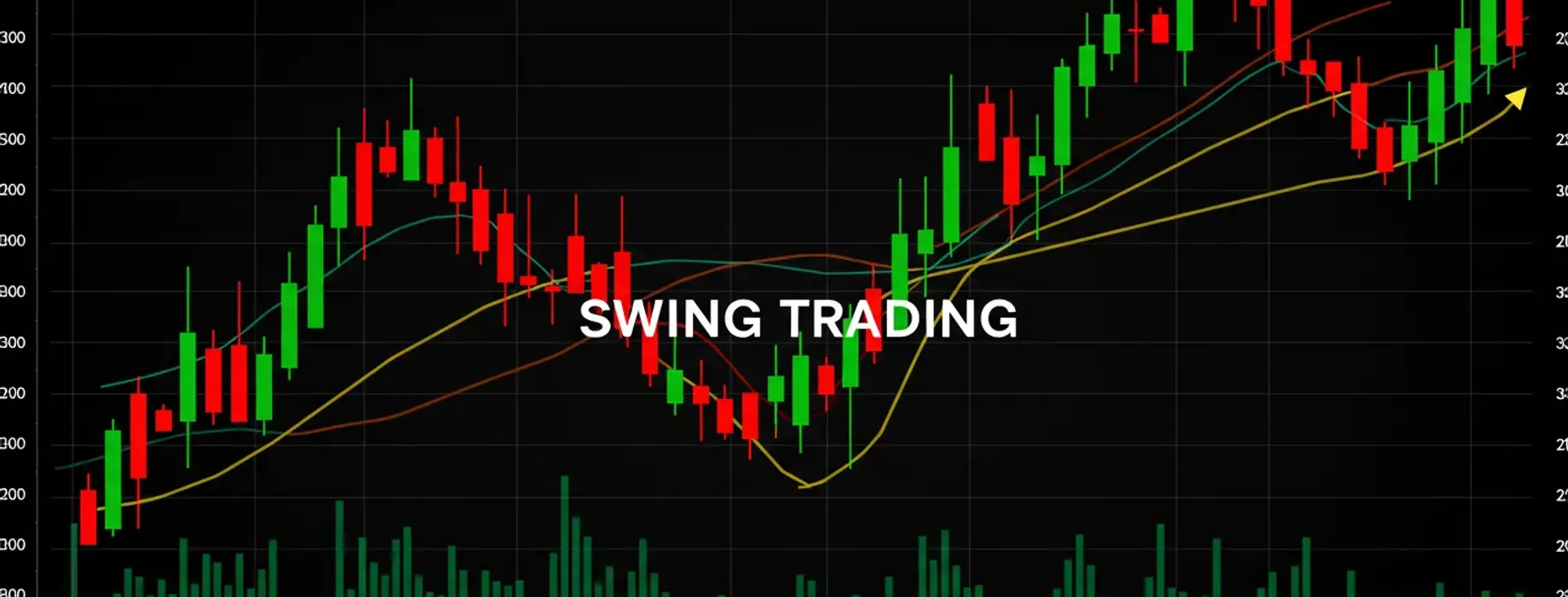
How to Make Money Swing Trading: Complete Mathematical Framework
The financial markets offer numerous opportunities for those who approach trading with analytical precision. This comprehensive analysis explores the mathematical foundations behind successful swing trading strategies, providing you with actionable insights based on statistical data and proven methodologies.
Fundamentals of Statistical Trading Analysis
The art of swing trading combines mathematical precision with market understanding. Learning how to make money swing trading requires a deep dive into data analysis, statistical methods, and systematic approach to market movements.
Core Statistical Metrics for Trading Success
When exploring can you make money swing trading, the answer lies in understanding key statistical indicators. Professional traders on platforms like Pocket Option utilize these metrics to make informed decisions.
| Metric | Purpose | Optimal Range |
|---|---|---|
| Standard Deviation | Volatility Measurement | 1.5-2.5 |
| Sharpe Ratio | Risk-Adjusted Returns | >1.5 |
| Beta Coefficient | Market Correlation | 0.5-1.5 |
Essential Components of Market Analysis
- Price Action Analysis
- Volume Indicators
- Momentum Calculations
- Trend Identification
Probability Assessment in Trading
| Strategy Type | Win Rate | Risk/Reward |
|---|---|---|
| Mean Reversion | 65% | 1:1.5 |
| Trend Following | 45% | 1:2.5 |
Advanced Risk Management Protocols
- Position Sizing Calculations
- Maximum Drawdown Limits
- Portfolio Correlation Analysis
Understanding how to make money swing trading requires mastering these mathematical concepts and applying them systematically.
| Time Frame | Analysis Required | Success Rate |
|---|---|---|
| 2-5 Days | Intermediate | 55-65% |
| 5-10 Days | Advanced | 60-70% |
Performance Monitoring Systems
- ROI Calculations
- Risk-Adjusted Returns
- Drawdown Analysis
Conclusion
The success in swing trading stems from the disciplined application of mathematical analysis. By implementing these statistical methods, maintaining strict risk management protocols, and consistently monitoring performance metrics, traders can develop a sustainable approach to market participation. The key lies in treating each trade as a data point within a larger statistical framework, allowing for continuous improvement and optimization of trading strategies.