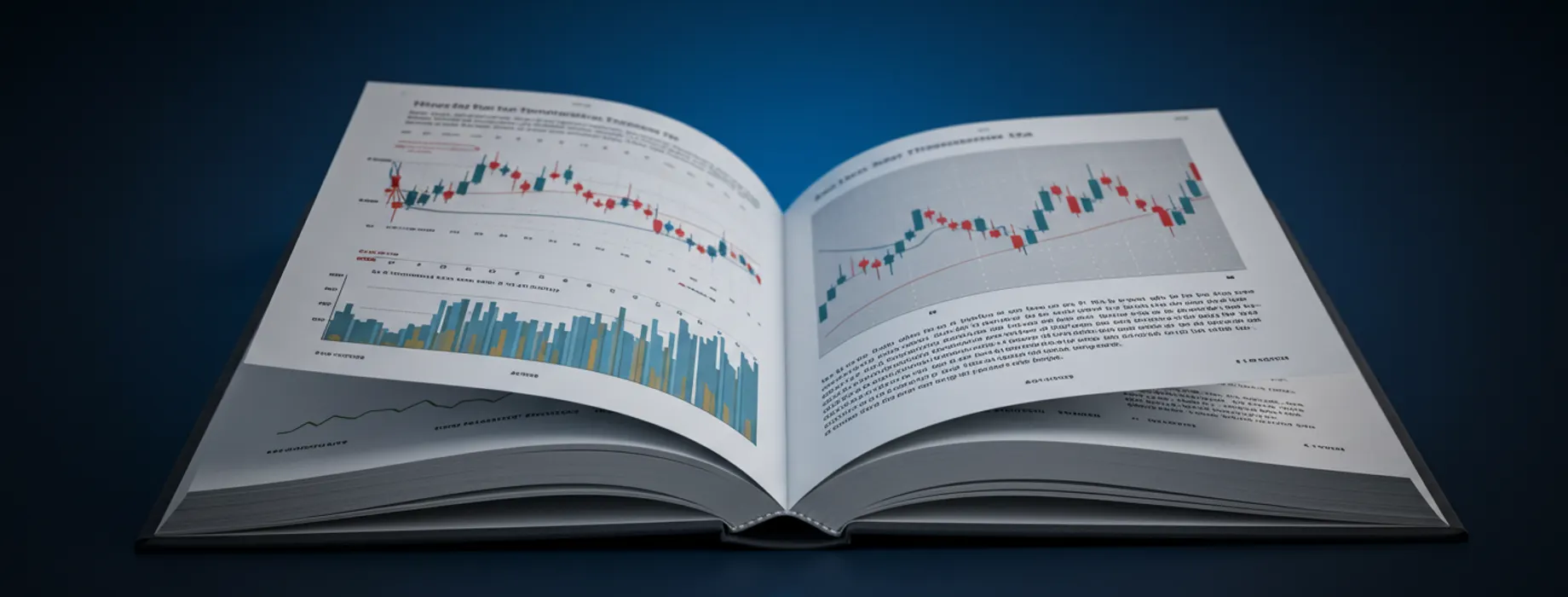
Advanced Mathematical Analysis for Successful Forex Trading
The mathematical aspects of forex trading represent a crucial foundation for making informed trading decisions. This article delves into the analytical methods and data-driven approaches that can enhance trading performance.
Understanding Mathematical Trading Foundations
Understanding forex trading tips through a mathematical lens transforms market analysis approaches. The combination of statistical methods and analytical tools provides traders with a robust framework for decision-making in the dynamic currency markets.
Key Mathematical Indicators for Market Analysis
| Indicator | Formula | Application |
|---|---|---|
| Moving Average | SMA = (P1 + P2 + ... + Pn) / n | Trend identification |
| Standard Deviation | σ = √(Σ(x - μ)² / N) | Volatility measurement |
| RSI | RSI = 100 - [100/(1 + RS)] | Momentum analysis |
Advanced Statistical Frameworks
When implementing forex market trading tips, it's essential to understand these mathematical concepts. Pocket Option provides tools that integrate these indicators for comprehensive market analysis.
- Probability distribution analysis
- Correlation coefficients calculation
- Risk-adjusted return metrics
- Time series analysis
| Analysis Type | Purpose | Key Metrics |
|---|---|---|
| Technical Analysis | Pattern recognition | Support/Resistance levels |
| Fundamental Analysis | Economic impact | Interest rates, GDP |
Risk Management Calculations
Professional tips for forex trading emphasize the importance of mathematical precision in risk management. Successful traders combine technical analysis with proven forex trading tips to create robust trading systems.
- Position sizing calculations
- Risk-reward ratio optimization
- Portfolio correlation analysis
| Risk Metric | Calculation Method | Target Range |
|---|---|---|
| Maximum Drawdown | (Peak Value - Trough Value) / Peak Value | < 20% |
| Sharpe Ratio | (Rp - Rf) / σp | > 1.0 |
Professional Recommendations and Analysis
Expert forex trading advice emphasizes the critical role of systematic analysis in trading success. When developing your strategy, consider these analytical approaches:
- Using correlation matrices for currency pairs
- Implementing automated analytical tools
- Developing custom mathematical indicators
Implementation of Data Analysis
Currency trading tips suggest maintaining a structured approach to data analysis. This includes regular market monitoring and adjustment of mathematical parameters based on market conditions.
| Timeframe | Data Points | Analysis Focus |
|---|---|---|
| Short-term | 1-4 hours | Price action, momentum |
| Medium-term | 1-5 days | Trend analysis |
| Long-term | 1-4 weeks | Economic cycles |
Conclusion
The implementation of mathematical analysis in forex trading provides a structured framework for decision-making. By utilizing statistical tools, risk management calculations, and systematic analysis methods, traders can develop reliable strategies. The combination of technical indicators, fundamental analysis, and proper risk management creates a comprehensive trading approach that helps maintain consistent performance in varying market conditions.
See more:beginnerKnowledge baseTrading