
Is Trading Gambling: Analyzing the Fine Line Between Investment and Chance
Many newcomers to financial markets wonder: is trading gambling? While both activities involve risk and potential rewards, it’s essential to understand their fundamental differences, especially if you want to approach trading responsibly.

Gambling vs trading. Key Differences Between Trading and Gambling
At first glance, trading and gambling share some similarities: both involve uncertainty, and money is at risk. However, a deeper analysis reveals significant distinctions.
| Aspect | Trading | Gambling |
|---|---|---|
| Basis for Decisions | Analysis, research, strategy | Primarily chance |
| Expected Return | Can be positive over time | Usually negative (house edge) |
| Skill Factor | High influence of skill | Limited application of skill |
| Time Horizon | Various timeframes | Usually immediate results |
Trading is built on analysis and strategy. Successful traders rely on fundamental and technical analysis to make decisions, while gambling outcomes are mostly determined by chance.
How Pocket Option Helps Traders
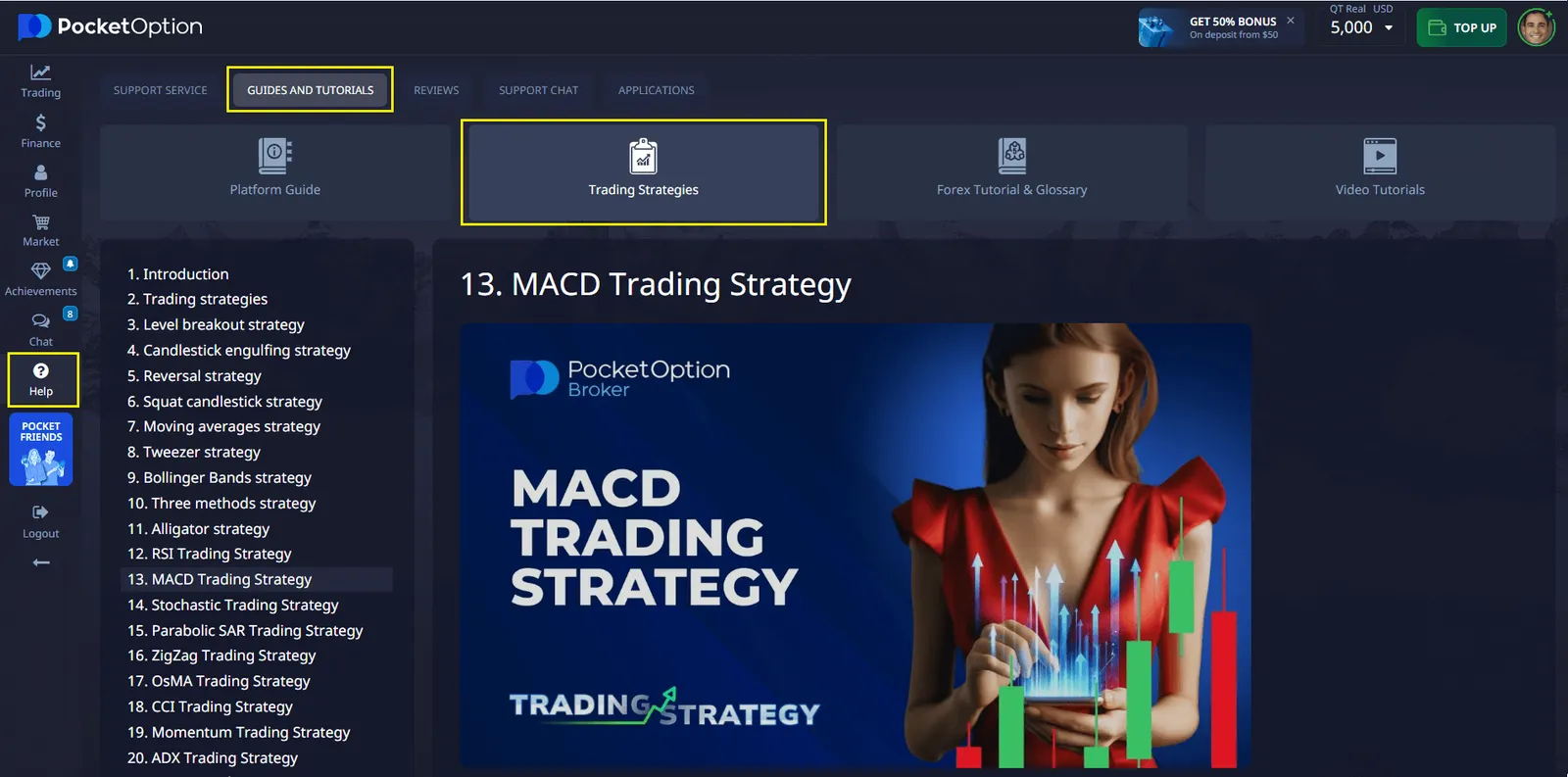
One of the key factors that sets trading apart from gambling is access to analytical tools and opportunities for learning. The Pocket Option platform offers users a variety of features to develop their skills and make informed decisions:
- Demo Account for Learning Beginners can start with a demo account to learn the basics of trading without financial risk. This is a great way to test strategies and understand how the market works.
- Educational Resources Pocket Option provides videos, guides, and articles on trading strategies, helping users improve their analytical skills and market understanding.
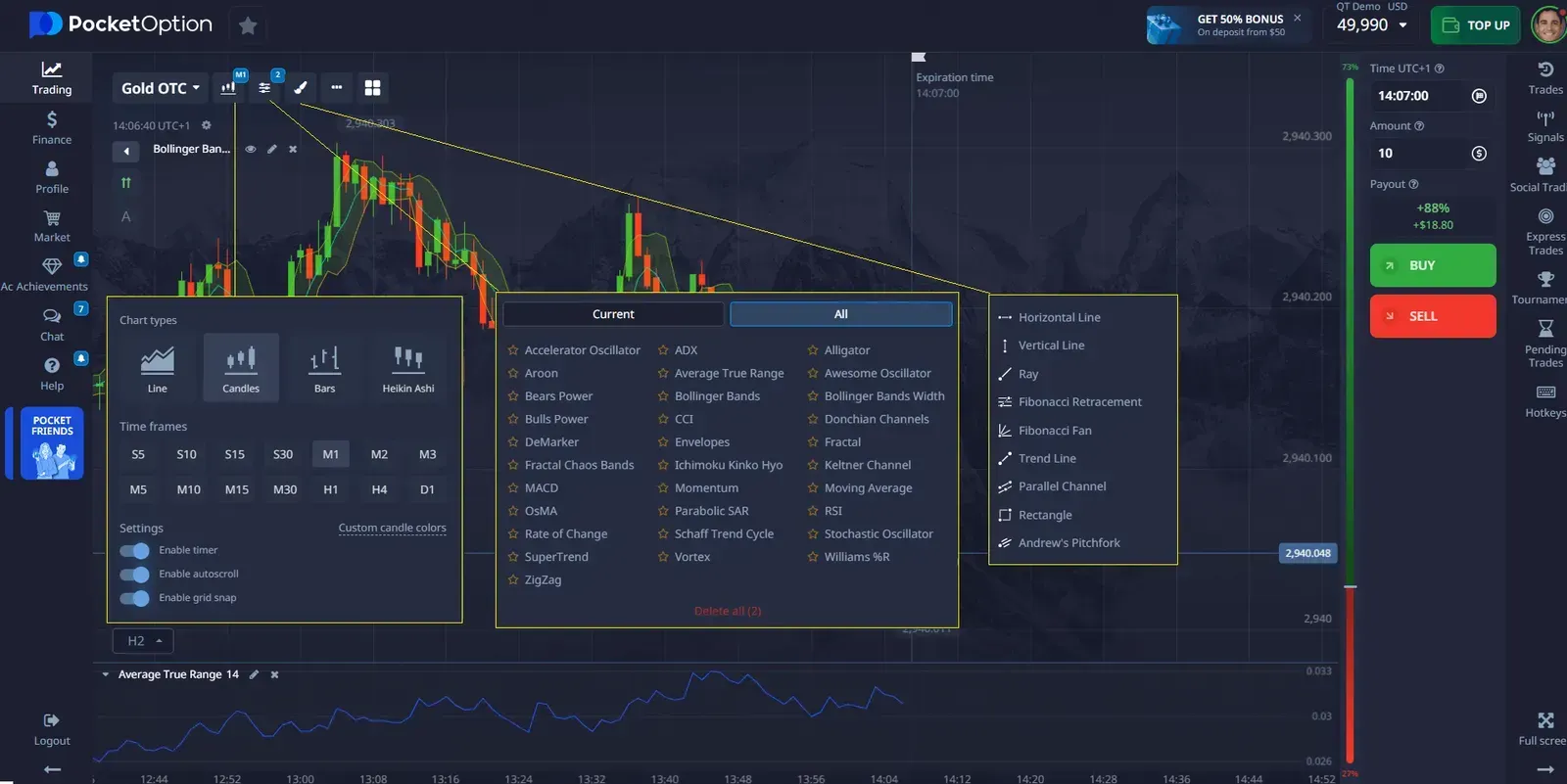
- Technical Analysis Tools The platform offers a wide range of tools, such as indicators, charts, and support/resistance levels, making market analysis more accessible.
- Trade History and Analytics In the statistics section, users can review detailed reports on their trades, including win rates, profits, and losses. Analyzing this data helps identify weaknesses and refine strategies.
- Social Trading Pocket Option allows users to copy trades from successful traders, enabling beginners to learn from professionals and apply their strategies in practice.
The Role of Risk Management
Another key aspect that distinguishes trading from gambling is risk management. Successful traders always implement strict risk control measures, such as:
- Position Sizing: Limiting the size of a trade relative to account balance.
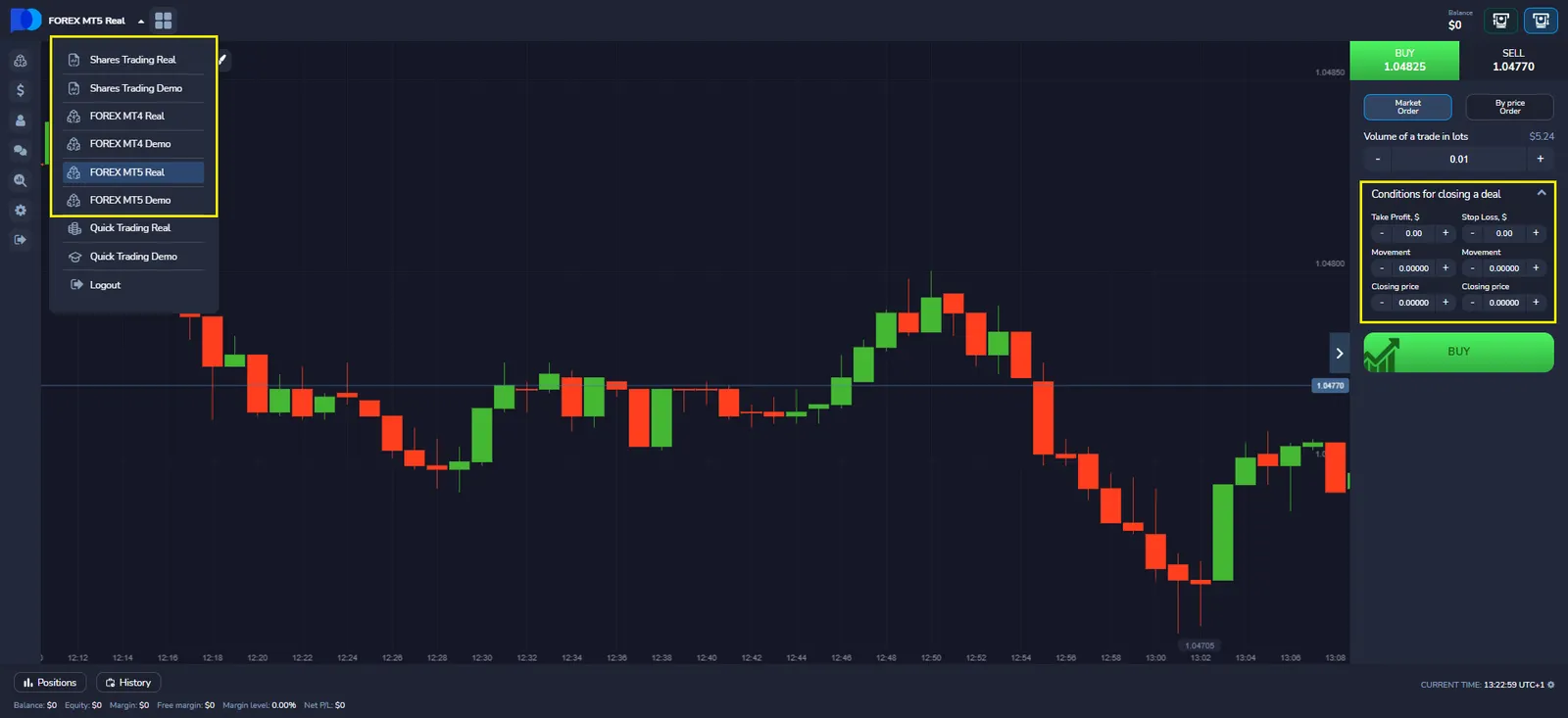
- Stop-Loss and Take-Profit Orders: Setting predefined loss limits and locking in profits.
- Diversification: Distributing funds across different assets to reduce risk.
Pocket Option also provides tools for risk management, helping traders avoid emotional decision-making.
| Risk Management Tool | Purpose |
|---|---|
| Position Sizing | Limits risk per trade |
| Stop-Loss Orders | Defines the maximum loss point |
| Diversification | Spreads risk across assets |
Trading Psychology
Like gambling, trading can trigger strong emotional responses. Excitement, euphoria from winning, or the desire to recover losses can influence decision-making. However, successful traders learn to control their emotions and stick to their plans.
Common Psychological Traps and How to Avoid Them:
| Trap | Impact on Trading | How to Avoid |
|---|---|---|
| FOMO (Fear of Missing Out) | Impulsive trade entries | Stick to your trading plan |
| Loss Aversion | Holding onto losing positions | Use stop-loss orders |
| Revenge Trading | Overtrading after losses | Take breaks and keep a trading journal |
Trading: Skill or Luck?
Trading exists on a spectrum between gambling and professional activity. The outcome largely depends on the trader’s approach:
| Closer to Gambling | Closer to Professional Activity |
|---|---|
| Random trades without analysis | Systematic, research-based approach |
| No risk management | Strict risk management parameters |
| Emotional decision-making | Discipline and adherence to strategy |
With platforms like Pocket Option, traders can develop their skills and approach trading as a professional activity. By using the tools provided, you can significantly improve your chances of success.
Conclusion
So, is trading gambling? The answer depends on the approach. Trading without analysis, strategy, or risk management can indeed resemble gambling. However, with education, discipline, and the use of platforms like Pocket Option, trading becomes a skill that can be developed and refined.
Start with a demo account, explore the tools and educational materials available, and turn trading into a professional pursuit rather than a gamble!
See more:strategybeginnerinvestmentKnowledge baseRegulation and safety