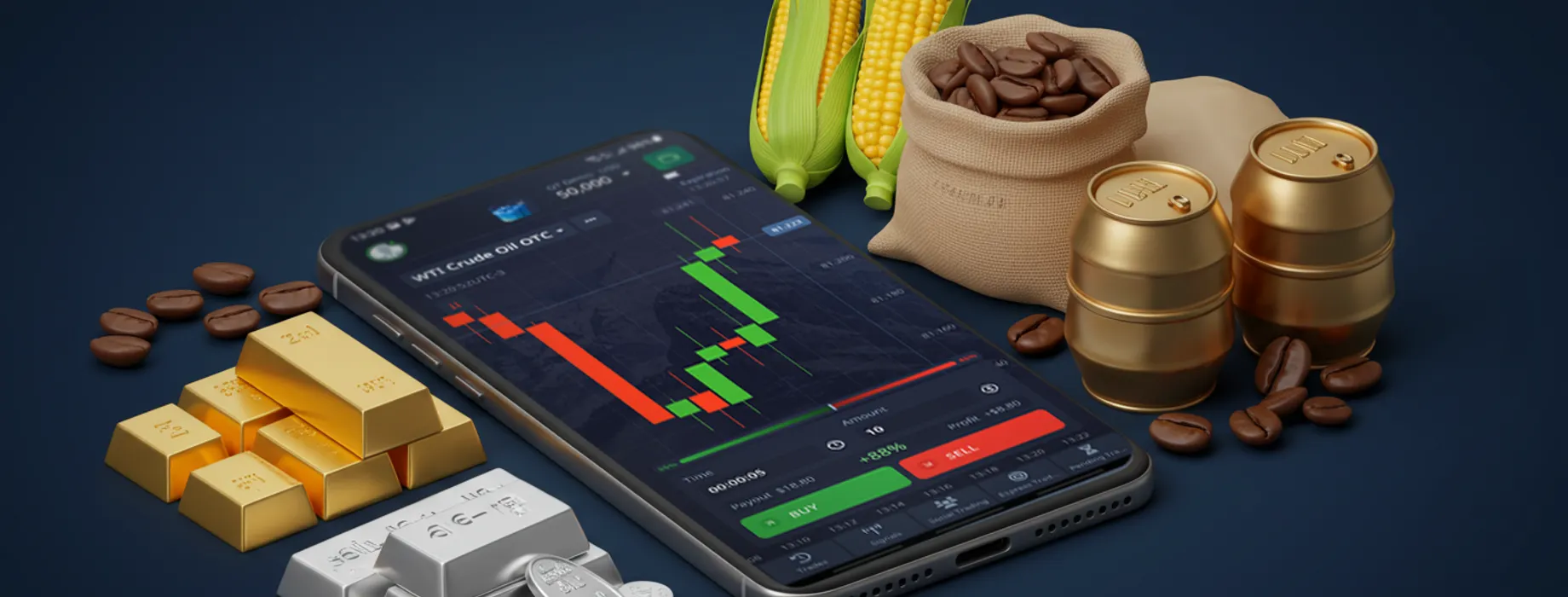
Trading Oil Futures: A Thorough Insight for Top Traders
Trading oil futures plays a pivotal role in the global commodities market, providing investors with opportunities to hedge against price volatility and take advantage of market movements. This piece explores the complexities of these contracts, shedding light on strategies, risks, and how platforms such as Pocket Option facilitate trading.
Understanding Trading Oil Futures
Engaging in these contracts entails the buying and selling of agreements for oil delivery at a later date. They enable traders to speculate on the future price of oil, offering potential profits in both upward and downward markets. The two primary types of crude oil futures are West Texas Intermediate (WTI) and Brent Crude, each with distinct market dynamics and pricing. Recognizing the differences between WTI and Brent Crude is vital for traders, as each is influenced by unique supply and demand factors, geopolitical issues, and market participants.
Strategies for Trading Oil Futures
Traders can utilize various strategies when engaging in these contracts, each with its own considerations:
- Trend Following: This approach involves studying market trends to forecast price movements. Traders use technical indicators like moving averages to pinpoint possible entry and exit points. By observing patterns over time, traders can make educated decisions about when to enter or exit trades, potentially boosting their profits.
- Spread Trading: This strategy involves taking positions in multiple futures contracts simultaneously to profit from price differences between them. Examples include calendar spreads (same commodity, different delivery months) or inter-commodity spreads (different commodities). Spread trading can reduce risk by minimizing exposure to the price movement of a single contract.
- Hedging: Companies engaged in oil production or consumption often use these contracts to hedge against price swings, locking in prices to stabilize cash flow. Hedging is crucial for companies heavily reliant on oil, as it aids in managing costs and ensuring revenue predictability.
Day Trading Crude Oil Futures
Day trading crude oil futures demands quick decision-making and a thorough grasp of market dynamics. Traders focus on short-term price changes, often employing technical analysis tools like candlestick patterns, volume analysis, and momentum indicators. The volatile nature of oil prices makes day trading both challenging and potentially lucrative. Successful day traders frequently depend on real-time data and advanced charting tools to make quick decisions that can lead to profitable outcomes.
Trading Crude Oil Futures Contracts
Engaging in these contracts requires understanding each contract's specifications, including contract size, expiration date, and tick size. Familiarity with these details is crucial for effective risk management and strategy execution. For example, a standard WTI contract represents 1,000 barrels of oil, and even minor price changes can have significant financial impacts. Traders should also be cognizant of margin requirements, which can vary with market conditions.
Benefits and Risks of Trading Oil Futures
Engaging in these contracts offers a mix of benefits and risks that traders must weigh:
| Pros | Cons |
|---|---|
| High Liquidity | High Volatility |
| Opportunities for Hedging | Complex Market Dynamics |
| Potential for High Returns | Leverage Risks |
| Diversification of Portfolio | Requires In-Depth Market Knowledge |
Interesting Fact
Did you know that the concept of trading oil futures dates back to the 1970s? The launch of oil futures on the New York Mercantile Exchange (NYMEX) in 1983 was a groundbreaking event in the global energy markets, offering a standardized means to trade oil that has since become a fundamental component of the commodities market. This advancement facilitated greater price transparency and risk management, transforming the way oil was traded globally.
The Role of Pocket Option in Trading Oil Futures
Pocket Option is a trading platform that provides a variety of tools and resources to aid both novice and seasoned traders. With a user-friendly interface and access to diverse trading instruments, Pocket Option creates a supportive environment for those interested in quick trading, including oil futures. The platform's educational resources and demo accounts are particularly useful for individuals seeking to enhance their knowledge and build confidence before engaging in live trading.
➤ Pocket Option on Practice: Pocket Option enables traders to apply the strategies discussed here by offering a demo account to practice without financial risk. The platform's analytical tools and quick trading features allow users to refine their strategies in real-time, facilitating a seamless transition to live trading with greater confidence.
Comparing Platforms: Pocket Option vs. Other Brokers
When selecting a platform for trading these contracts, it's crucial to compare features:
| Feature | Pocket Option | Competitor X |
|---|---|---|
| User Interface | Simple and Intuitive | Complex and Overwhelming |
| Educational Resources | Extensive | Limited |
| Demo Account Availability | Yes | Yes |
| Quick Trading Options | Yes | No |
Alternatives and Approaches
While trading oil futures can be rewarding, it involves inherent risks and complexities. Traders might also explore alternatives such as investing in oil stocks or exchange-traded funds (ETFs) that provide exposure to the energy sector. This strategy can offer diversification and mitigate the risks associated with futures trading. ETFs, in particular, present a balanced way to invest in oil without needing to engage directly in futures contracts.
See more:Knowledge baseMarkets