Trading Energy Commodities: Complete Market Analysis and Trading Approach
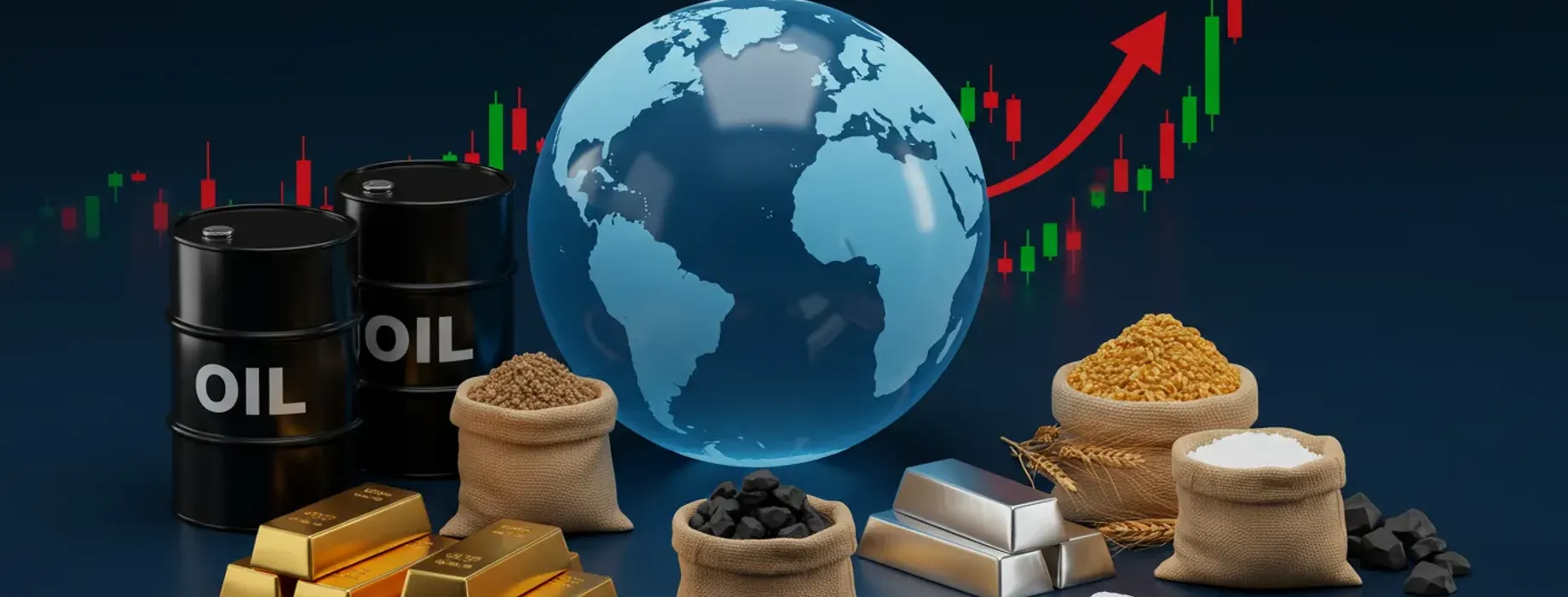
Energy markets represent one of the most dynamic sectors for traders worldwide. Trading energy commodities involves understanding specific market mechanics, price drivers, and trading techniques that differ significantly from other financial instruments.
Understanding Energy Commodity Markets
Energy commodity markets consist of various products including crude oil, natural gas, electricity, and renewable energy certificates. These markets operate globally with significant trading volumes daily. What is energy trading exactly? It involves buying and selling energy products either for immediate delivery (spot markets) or future delivery (futures markets).
| Energy Commodity | Primary Markets | Trading Units |
|---|---|---|
| Crude Oil | WTI, Brent | Barrels |
| Natural Gas | Henry Hub | MMBtu |
| Electricity | Regional markets | Megawatt hours |
| Coal | Newcastle, Richards Bay | Metric tons |
Trading energy commodities requires understanding key price drivers including:
- Supply and demand fundamentals
- Geopolitical factors affecting production
- Weather patterns influencing consumption
- Currency fluctuations
- Inventory reports and storage data
Energy Commodity Trading Strategies
Successful energy commodities trading combines technical analysis with fundamental research. Traders on platforms like Pocket Option often utilize multiple approaches depending on market conditions.
| Strategy | Approach | Timeframe |
|---|---|---|
| Trend Following | Trading in direction of established trends | Medium to Long |
| Mean Reversion | Trading price returns to average | Short to Medium |
| Seasonal Trading | Exploiting recurring seasonal patterns | Medium |
| Spread Trading | Trading price differences between related commodities | Variable |
Energy commodity trading often involves these common techniques:
- Calendar spreads (trading contracts with different delivery months)
- Quality spreads (trading price differences between similar products)
- Location spreads (exploiting price differences between delivery locations)
- Crack spreads (trading relationships between crude oil and refined products)
Market Analysis for Energy Trading
Proper market analysis forms the backbone of successful energy commodity trading. This requires monitoring both technical indicators and fundamental factors.
| Analysis Type | Tools/Indicators | Application |
|---|---|---|
| Technical Analysis | Moving averages, RSI, MACD | Entry/exit timing |
| Fundamental Analysis | EIA reports, OPEC announcements | Long-term price direction |
| Sentiment Analysis | COT reports, market positioning | Contrarian opportunities |
| Volatility Analysis | ATR, option volatility | Risk management |
Key reports energy traders monitor include:
- Weekly EIA Petroleum Status Report
- Natural Gas Storage Report
- Baker Hughes Rig Count
- OPEC Monthly Oil Market Report
- IEA Oil Market Report
Risk Management in Energy Trading
Risk management is crucial when trading energy commodities due to their inherent volatility. Energy commodity trading involves exposure to multiple risk factors that must be managed carefully.
| Risk Type | Management Strategy |
|---|---|
| Price Risk | Position sizing, stop losses |
| Volatility Risk | Options strategies, VaR models |
| Liquidity Risk | Trading liquid contracts, avoiding illiquid delivery periods |
| Geopolitical Risk | Diversification, hedging |
Effective risk strategies for energy traders include:
- Implementing strict position size limits (typically 1-2% per trade)
- Using stop-loss orders to limit downside
- Diversifying across different energy commodities
- Understanding correlations between markets
Conclusion
Trading energy commodities offers significant opportunities but requires specialized knowledge and disciplined risk management. Understanding the unique characteristics of energy markets, developing sound trading strategies, and staying informed about global supply and demand factors are essential for success in this sector. Whether trading crude oil, natural gas, or other energy products, proper preparation and ongoing education remain key factors for traders looking to participate in these markets.
See more:strategyKnowledge baseMarkets