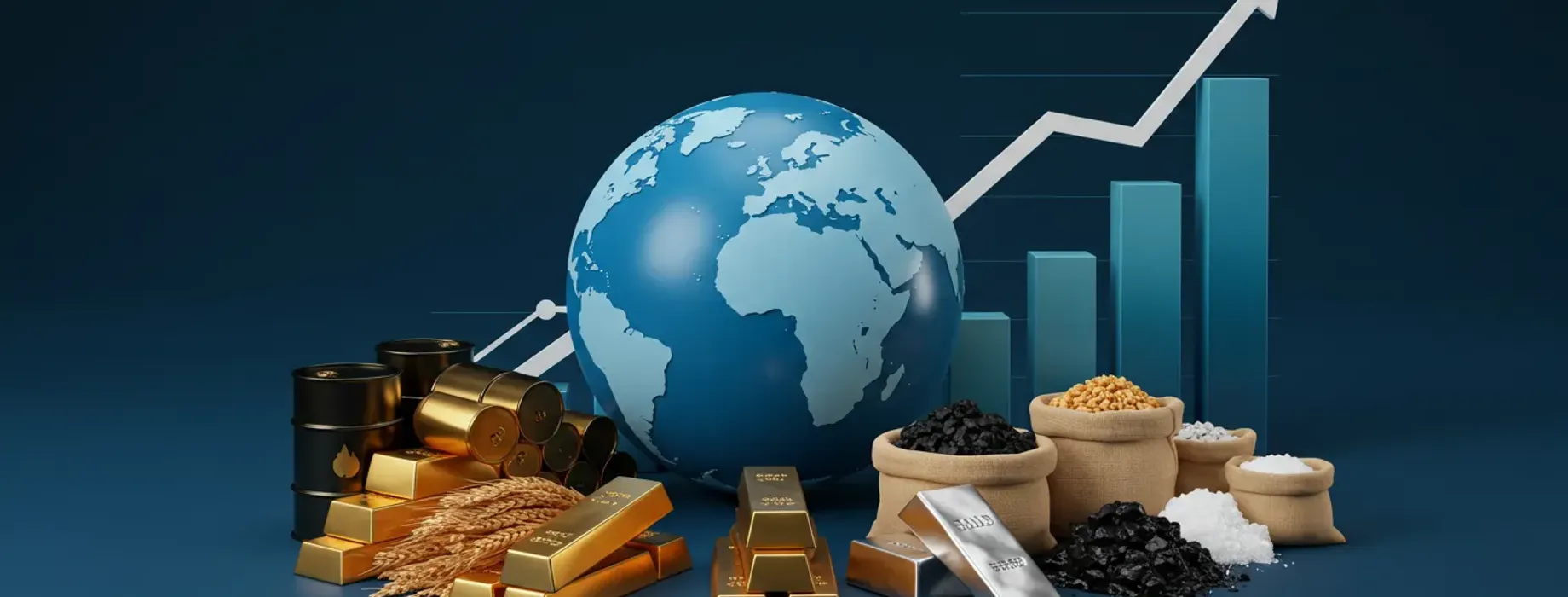
Raw Materials: Fueling Modern Manufacturing and Economics
Raw materials are the lifeblood of industrial production, serving as the fundamental building blocks for countless products we use daily. From the metals in our smartphones to the plastics in our cars, these primary resources shape the world around us.
Understanding Raw Materials
Raw materials are unprocessed or minimally processed substances used in manufacturing processes to create finished goods. These materials come from various sources, including:
- Mineral deposits
- Agricultural products
- Forest resources
- Marine resources
The importance of raw materials cannot be overstated, as they form the foundation of industrial production and economic growth. Let's explore some key categories of raw materials and their applications.
| Category | Examples | Primary Uses |
|---|---|---|
| Metals | Iron, copper, aluminum | Construction, electronics, transportation |
| Energy | Crude oil, natural gas, coal | Fuel, electricity generation, petrochemicals |
| Agricultural | Cotton, rubber, timber | Textiles, manufacturing, construction |
| Minerals | Sand, limestone, phosphates | Construction, fertilizers, glass production |
Extraction and Processing of Raw Materials
The journey of raw materials from their natural state to usable resources involves complex extraction and processing methods. These processes vary depending on the material type and source.
- Mining: Used for extracting metals and minerals from the earth
- Drilling: Common for oil and natural gas extraction
- Harvesting: Applied to agricultural and forest resources
- Quarrying: Employed for stone and aggregates
Each extraction method comes with its own set of challenges and environmental considerations. Sustainable practices are increasingly important in the raw materials industry to minimize ecological impact and ensure long-term resource availability.
The Global Raw Materials Market
The raw materials market is a dynamic and integral part of the global economy. Prices of these commodities can fluctuate dramatically based on various factors:
- Supply and demand dynamics
- Geopolitical events
- Technological advancements
- Environmental regulations
Investors and traders often monitor raw materials markets closely, as they can provide insights into broader economic trends. Platforms like Pocket Option offer tools for analyzing and trading commodities, allowing participants to engage with this vital sector of the global economy.
| Raw Material | Major Producers | Key Industries |
|---|---|---|
| Iron Ore | Australia, Brazil, China | Steel production, construction |
| Crude Oil | USA, Russia, Saudi Arabia | Energy, transportation, plastics |
| Copper | Chile, Peru, China | Electronics, construction, transportation |
| Cotton | China, India, USA | Textiles, apparel |
Innovations in Raw Materials
The raw materials sector is not immune to technological advancements. Innovations are reshaping how we extract, process, and utilize these resources:
- Precision mining techniques
- Recycling and circular economy initiatives
- Development of synthetic alternatives
- Exploration of new sources (e.g., deep-sea mining)
These innovations aim to increase efficiency, reduce environmental impact, and discover new applications for raw materials. As technology progresses, the landscape of raw materials continues to evolve, presenting both challenges and opportunities for industries worldwide.
Economic Impact of Raw Materials
Raw materials play a crucial role in shaping global economics. Their availability, price, and distribution can significantly influence:
| Economic Factor | Impact of Raw Materials |
|---|---|
| International Trade | Drive import/export dynamics between nations |
| Industrial Development | Determine manufacturing capabilities and costs |
| Employment | Create jobs in extraction, processing, and related industries |
| Inflation | Influence consumer prices through production costs |
Countries rich in raw materials often have a competitive advantage in certain industries. However, overreliance on raw material exports can lead to economic vulnerabilities, a phenomenon known as the "resource curse." Diversification and value-added processing are strategies employed to mitigate these risks.
Sustainability and Raw Materials
As global awareness of environmental issues grows, the raw materials sector faces increasing pressure to adopt sustainable practices. Key areas of focus include:
- Reducing carbon emissions in extraction and processing
- Implementing water conservation measures
- Protecting biodiversity in resource-rich areas
- Developing renewable alternatives to non-renewable raw materials
Many companies and countries are investing in research and development to find more sustainable ways of utilizing raw materials. This shift towards sustainability is not just an environmental imperative but also an economic one, as consumers and investors increasingly favor eco-friendly practices.
Future Outlook for Raw Materials
The future of raw materials is shaped by several key trends:
| Trend | Potential Impact |
|---|---|
| Technological Advancements | More efficient extraction and processing methods |
| Shift to Renewable Energy | Increased demand for specific raw materials (e.g., lithium for batteries) |
| Circular Economy | Greater focus on recycling and reuse of materials |
| Geopolitical Changes | Shifts in global supply chains and trade relationships |
As these trends unfold, the raw materials landscape will continue to evolve, presenting both challenges and opportunities for industries, investors, and economies worldwide. Platforms like Pocket Option provide tools for staying informed about these changes and making informed decisions in the commodities market.
Conclusion
The world of raw materials is complex and ever-changing, influencing every aspect of our modern economy. From the extraction process to the final product, these fundamental resources shape industries, drive innovation, and impact global trade. As we move towards a more sustainable future, the way we approach raw materials will continue to evolve, balancing economic needs with environmental considerations. Understanding the dynamics of raw materials is crucial for anyone involved in industry, investment, or policy-making, as these resources will remain at the heart of global economic development for years to come.