
How to Withdraw Money from Bitcoin: The Top Comprehensive Approach
Want to know how to withdraw money from Bitcoin quickly and securely? This guide covers everything from cashing out BTC to bank transfers, avoiding high blockchain fees, and staying safe while managing your crypto.

Understanding How to Withdraw Money from Bitcoin
Before you can withdraw bitcoin to bank accounts or cash out bitcoin into fiat, it’s essential to understand how the process works. How to withdraw money from Bitcoin is one of the most common questions crypto holders ask.
At its core, Bitcoin withdrawals mean transferring BTC from your bitcoin wallet to another wallet, a crypto exchange, or a connected bank account. This can involve:
- Selling Bitcoin for USD or EUR via a crypto exchange 🏦
- Using a Bitcoin ATM to get cash on the spot
- Making a transfer BTC to another wallet or peer-to-peer (P2P) buyer
Expert Insight: According to CoinDesk, average blockchain fees dropped 25% in 2024 due to wider SegWit adoption — meaning cheaper withdrawals for users who choose the right network.
What Is a Bitcoin Withdrawal?
A Bitcoin withdrawal is simply the act of moving BTC from one location to another — usually from a crypto exchange to your personal wallet, or from a wallet to fiat.
Getting it right is critical: one wrong character in the wallet address can result in permanent loss of funds.
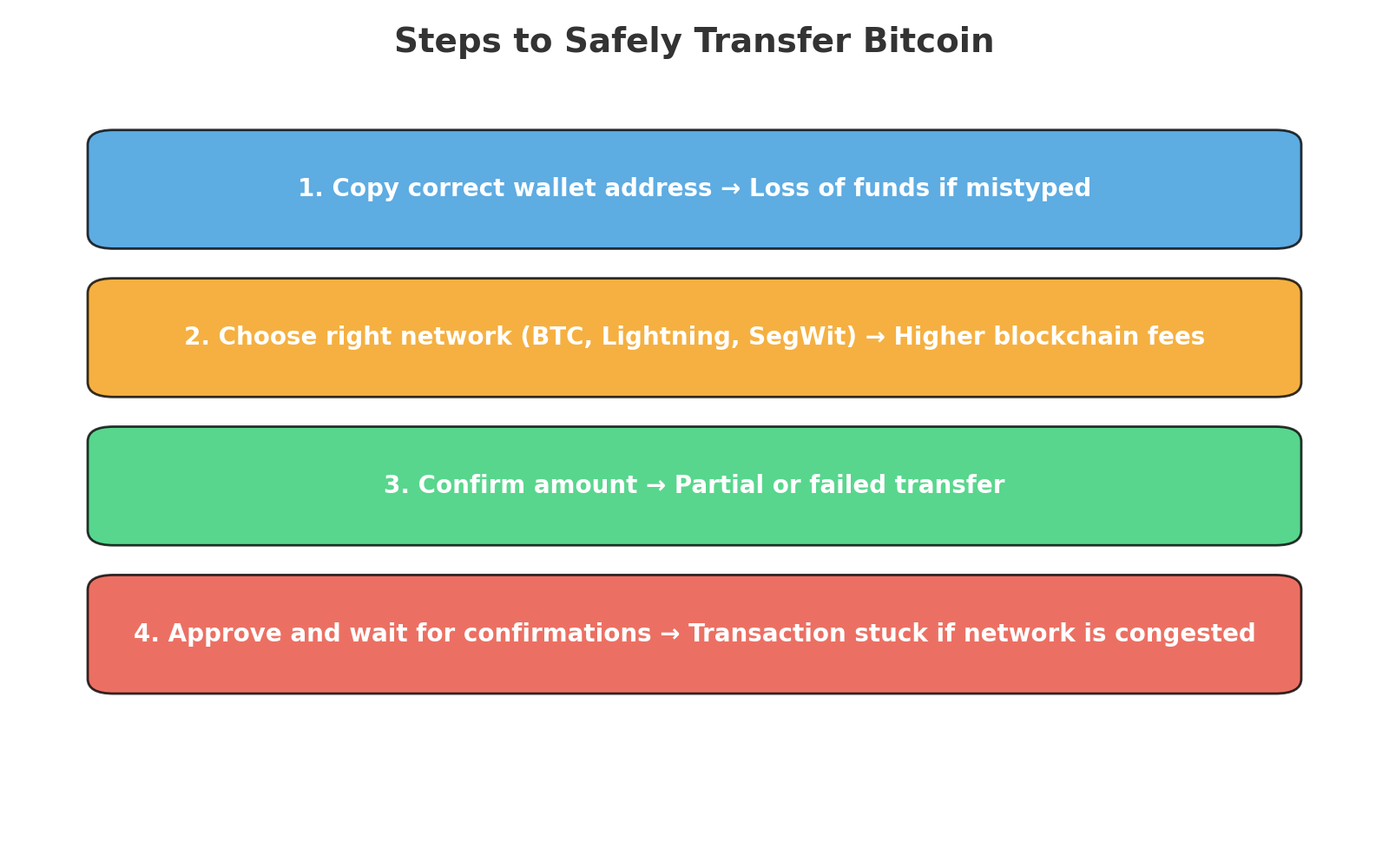
| Step | Action | Risk if Done Wrong |
|---|---|---|
| 1 | Copy correct wallet address | Loss of funds if mistyped |
| 2 | Choose right network (BTC, Lightning, SegWit) | Higher blockchain fees |
| 3 | Confirm amount | Partial or failed transfer |
| 4 | Approve and wait for confirmations | Transaction stuck if network is congested |
How to Withdraw Bitcoin Safely
When you search “how to withdraw money from Bitcoin,” you usually want a step-by-step solution. Here’s the most reliable process:
- Select a Crypto Exchange or Wallet – Choose platforms like Coinbase, Binance, or Kraken.
- Verify Your Account – Complete KYC to enable withdrawals.
- Sell Bitcoin for USD (or your local currency) – This step lets you lock in market price.
- Transfer Funds to Your Bank – Withdraw bitcoin to bank using ACH, SEPA, or wire transfer.
- Watch for Blockchain Fees – Some exchanges let you pick a cheaper time for transfer.
Pro Tip: Schedule withdrawals during low-traffic hours (early morning UTC) to minimize blockchain fees.
Common Issues with Bitcoin Withdrawals
| Issue | Description | Solution |
|---|---|---|
| High Blockchain Fees | Can exceed $10 during peak hours | Use SegWit or Lightning Network |
| Bank Rejection | Some banks block crypto transfers | Use a friendly bank or fintech (Revolut, Wise) |
| Delayed Processing | Exchange security checks slow payouts | Verify ID in advance to avoid delays |
| Lost Funds | Wrong address or network | Always triple-check before confirming |
Choosing the Right Wallet
Your bitcoin wallet is the first line of defense. Hardware wallets (Ledger, Trezor) are ideal for long-term storage, but hot wallets (Trust Wallet, MetaMask) are more convenient for frequent withdrawals.
Checklist for Wallet Selection:
- ✅ Supports fast transfer BTC
- ✅ Displays real-time network fees
- ✅ Compatible with your bank or exchange
- ✅ Good reputation & security history
Peer-to-Peer (P2P) Options
If you want to cash out bitcoin privately, P2P marketplaces like Paxful, Binance P2P, and LocalBitcoins (now discontinued but replaced by similar platforms) connect you directly with buyers.
| Advantage | Example |
|---|---|
| Lower Fees | Some buyers pay market price with 0% platform fee |
| Flexible Payments | Bank transfer, PayPal, or even cash |
| Privacy | Avoids centralized exchanges |
⚠️ Security Tip: Always trade with verified users and use escrow to prevent fraud.
Using Bitcoin ATMs
Bitcoin ATMs are now available in over 80 countries 🌎. They allow you to sell bitcoin for USD or local currency instantly.
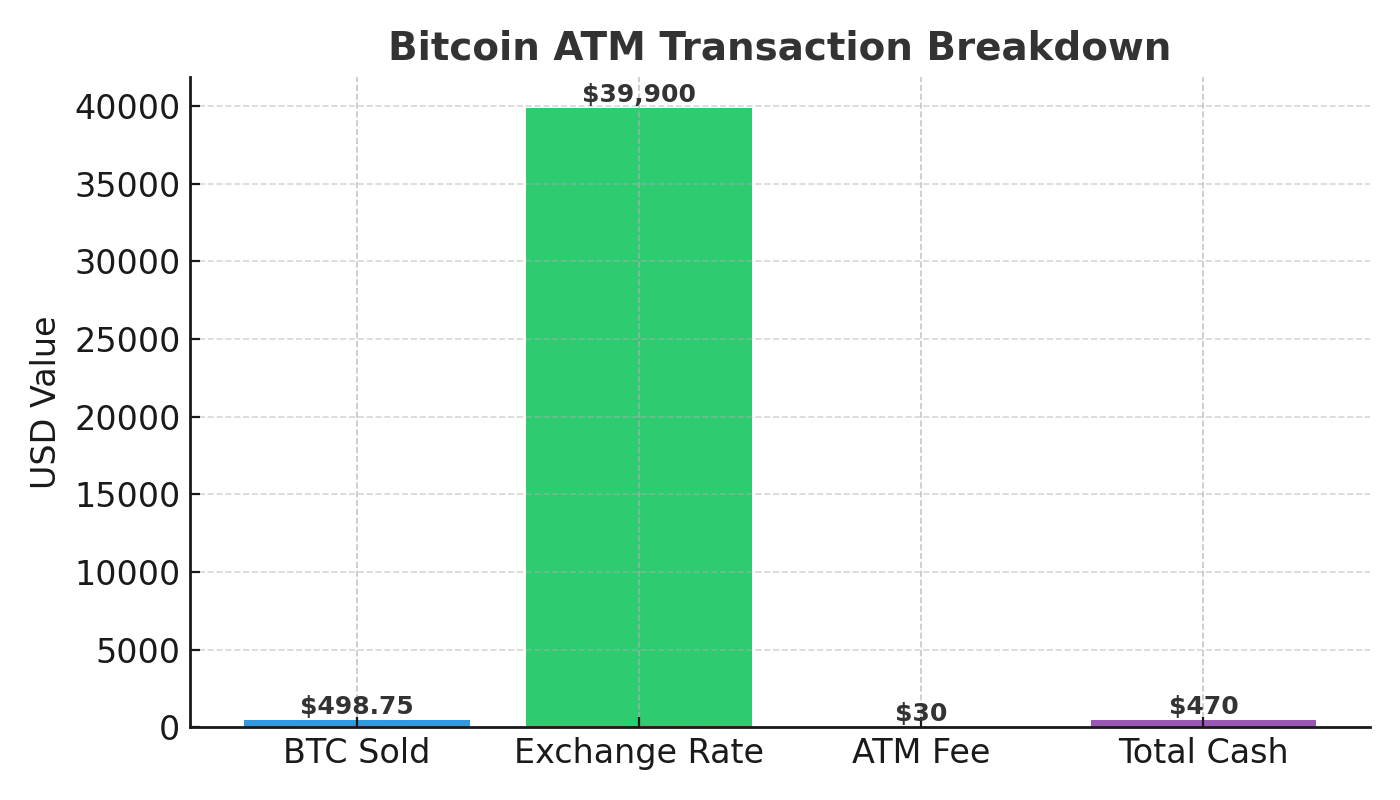
Example: A $500 BTC sale at a Bitcoin ATM might cost:
| Item | Amount |
|---|---|
| BTC Sold | 0.0125 BTC |
| Exchange Rate | $39,900 |
| ATM Fee | 6% ($30) |
| Total Cash | $470 |
They are convenient but expensive — use for emergencies, not regular withdrawals.
Crypto Exchanges and Bank Accounts
Linking your exchange to your bank is the most common way to withdraw bitcoin to bank accounts.
Bloomberg reports that over 70% of crypto investors prefer direct bank withdrawals due to lower cost compared to ATMs or P2P.
Withdrawal Fees: What to Expect
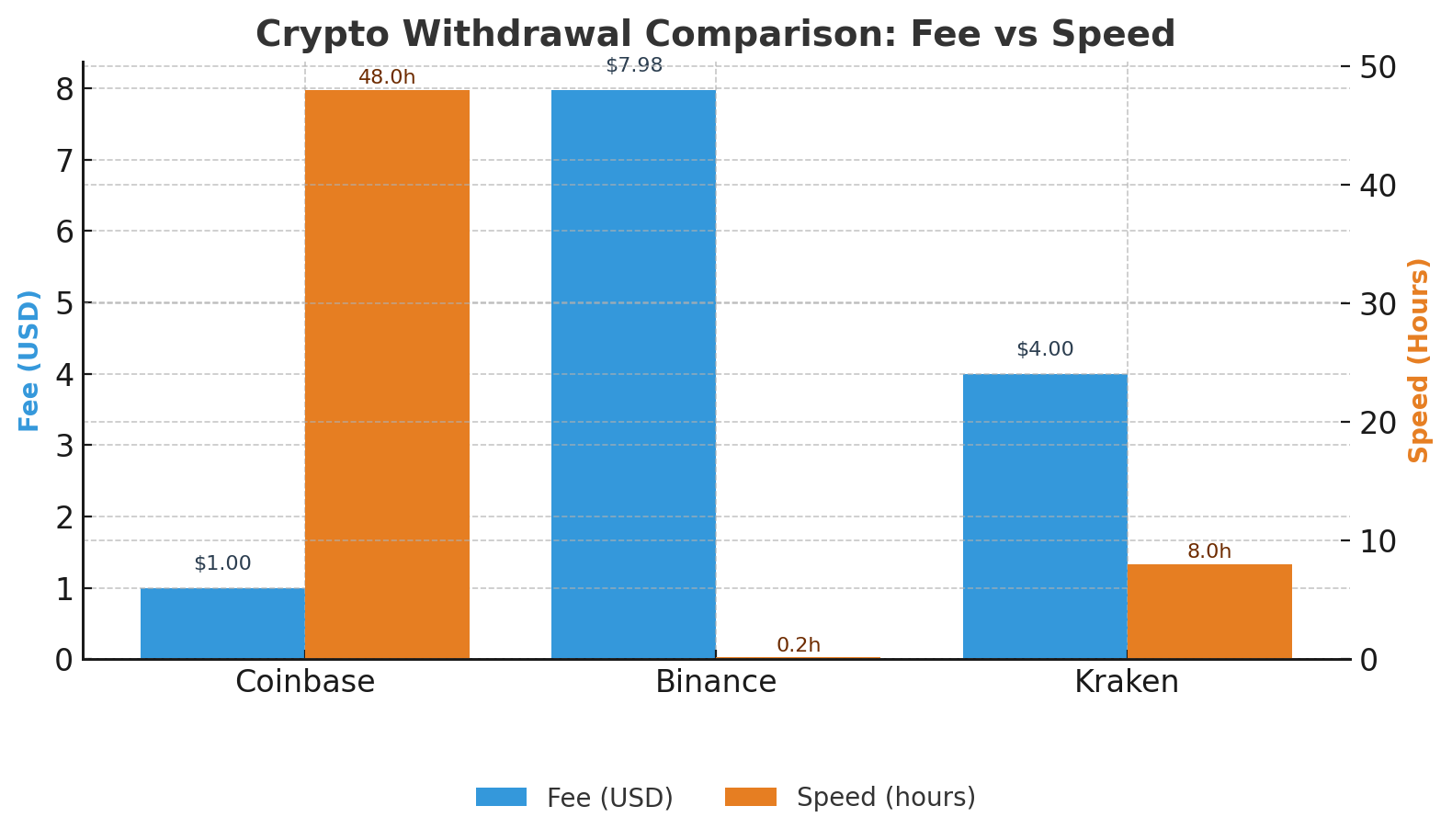
| Platform | Typical Fee | Speed |
|---|---|---|
| Coinbase | $1 + network fee | 1-3 days |
| Binance | 0.0002 BTC | ~10 min (network-dependent) |
| Kraken | $4 (USD wire) | Same-day if early |
Expert Note: If you plan to move large sums, splitting withdrawals across multiple transactions can help you save on fees and reduce compliance checks.
Alternative Withdrawal Methods
- Stablecoins (USDT/USDC): Convert BTC to stablecoins to avoid price drops during withdrawal.
- BitPay or Crypto.com Cards: Spend crypto directly like cash 💳.
- OTC Desks: Ideal for whales or businesses — negotiated rates, lower slippage.
Expert Recommendations
- 🕒 Time Your Withdrawals: Cheaper at night or weekends.
- 🛡️ Use Two-Factor Authentication: To prevent hacks.
- 📊 Track Market Prices: Sell bitcoin for USD when price peaks.
- 📂 Keep Tax Records: IRS and EU require reporting crypto sales.
Why Pocket Option Can Complement Your Crypto Journey
Pocket Option lets you trade 100+ assets 24/7 — including stocks, forex, and OTC crypto assets — while you manage your Bitcoin withdrawals (You can top up your account using Bitcoin at Pocket Option).
- ✔️ $5* minimum deposit & free $50,000 demo account
- ✔️ AI Trading & Telegram Signal Bot
- ✔️ Social Trading & Tournaments with prizes 🏆
- ✔️ Over 50 payment methods for deposits & withdrawals
"I converted my BTC profits into USD, deposited $50 on Pocket Option, and doubled it in two weeks." — Daniel M.
"The demo account let me practice crypto trading before risking real funds." — Julia R.
*minimum deposit may vary depending on geo and payment method