How to Find Old Bitcoin Wallet: Complete Steps to Lost and Unclaimed BTC
According to estimates, 2.3 to 4 million BTC (11% to 18% of the total 21 million supply) are forever lost in old wallets. These are hundreds of billions of dollars, potentially waiting to be uncovered. This guide explains how to find an old Bitcoin wallet, and not fall for any recovery scams along the way.

What Counts as a "Lost" or "Old" Bitcoin Wallet
Of course, no wallet on the chain is truly lost. It is forever embedded in the structure of the chain, and visible to all participants, capable of being found by any Bitcoin tracker. What people mean by lost crypto wallets is that they are inaccessible. Meaning, the owners simply forgot their keys.
The underlying BTC is never lost or deleted, it’s sitting there patiently on the blockchain, waiting for its owner to return. Whoever correctly enters the seed phrase or private key will be the new owner of those coins. That is why the famous ‘Satoshi stash’ (1.1 million Bitcoins mined by the original creator of the network) is so alluring to many newcomers. Whoever finds the seed phrase for it, instantly becomes a multi-billionaire. But the blockchain is so well-protected that it still hasn’t happened, even almost 20 years later.
Because of how well-guarded the network is, searching for a physical or digital trail is usually a lot more productive than trying to crack the code. If Satoshi used the same seed phrase or password elsewhere, or his old notebook will be found somehow, this would be a much more realistic way to get all of his coins.
Where to Start Looking for an Old Bitcoin Wallet
Before touching any recovery software, simply going over all of your old accounts, emails, and devices, is often the most productive. Understanding what a crypto wallet actually stores, covered in our guide to Bitcoin wallets, helps narrow down where to look first.
We recommend searching:
Old phones, tablets, laptops, PCs (even if the data had been deleted, it can be restored, even years later).
Email accounts used years ago, where you might have had a wallet confirmation email, or a message about signing up for an exchange.
Cloud backup services.
Exchange accounts.
Physical notes you might have left somewhere.
Hardware crypto wallets that may be stored with other valuables.
Step-by-Step: How to Find an Old Bitcoin Wallet
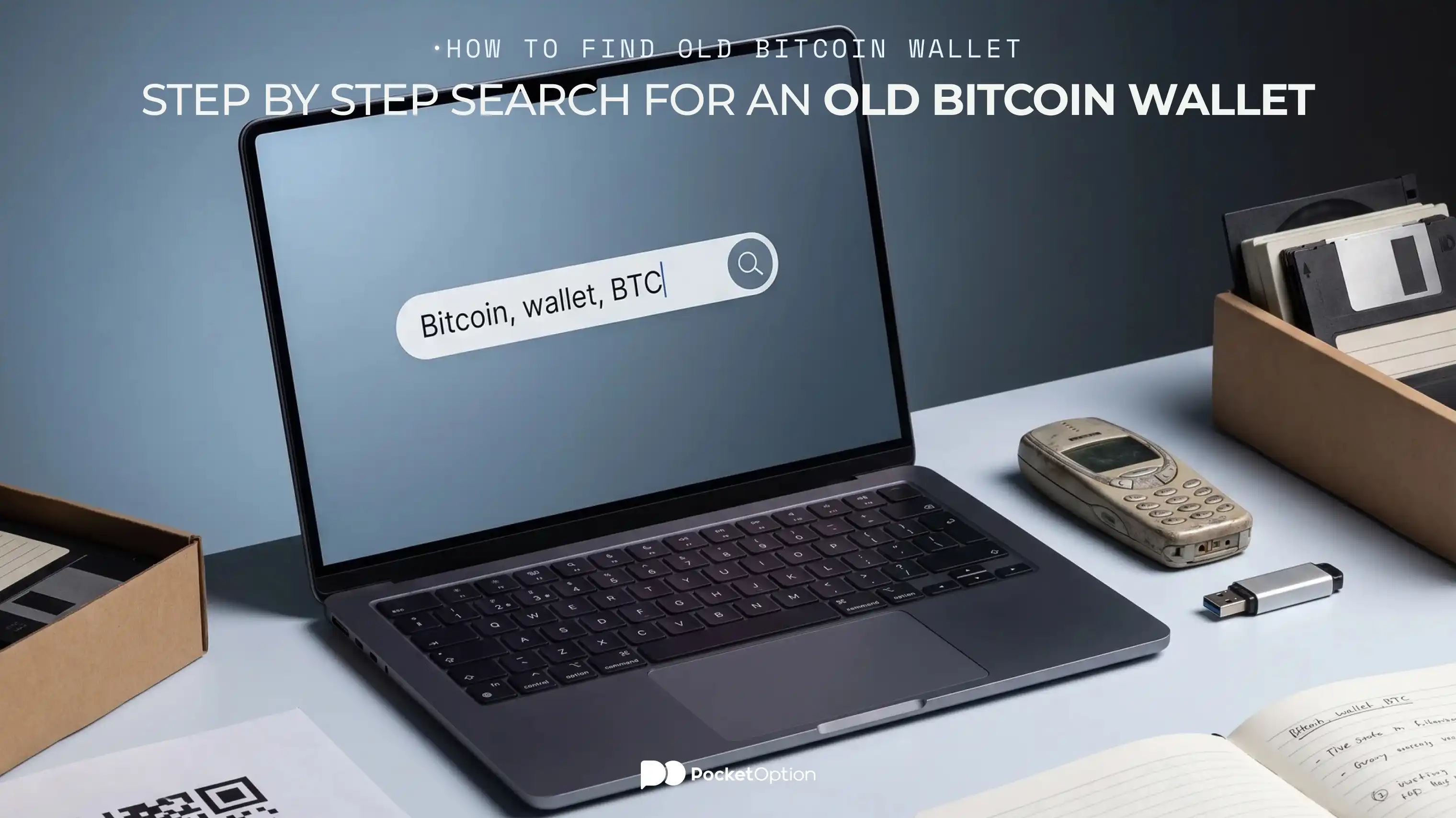
Here’s a simple guide on how to find old Bitcoin wallet:
Try to find Bitcoin wallet by email: searching an old inbox for the specific exchange name or wallet name can sometimes work.
Search through chat logs, if you’ve talked about this wallet with someone.
Check any device you still own, before wiping or discarding it fully.
Look through password managers, if you have one.
Look at browser saved passwords for any crypto-related names or exchanges.
Search old paper notes, printed QR codes, or any physical evidence you might have left behind.
Recovering Access With a Seed Phrase or Private Key
A seed phrase is often the easiest way to recover abandoned bitcoin wallets. It usually includes 12 to 24 words. It is the master key that lets you unlimited access. If you found it, it doesn’t need to be entered into the old wallet software that you used. It is often compatible with anything from the same standard, and even most modern crypto wallet apps. The seed phrase is the main thing you need, not the wallet software or anything else.
A private key will work similarly, but it applies to just a single address, and not an entire wallet. Typing it into an unfamiliar site is more risky, and you should properly research which services are trustworthy. Entering your key to a fishing site is one of the fastest ways to lose funds in any unclaimed Bitcoin wallets for a second time.
What to Do If You Sent Crypto to the Wrong Address or Network
If you sent a transfer to wrong address, the crypto sent is usually unrecoverable. Blockchain transactions can’t be reversed, they are immutable. If you sent transfer to the right address, but on the wrong network (like a different version of Ethereum or older BNB chain), the transaction is sometimes recoverable, but it depends on exchange or wallet.
In any case, the right attitude is to double-check and triple-check the address and the network, and check if you’ve copied the right address too (there are a lot of poisoning attacks, where the only thing the virus switches is your copy-paste function).
Contacting the receiving partner (wallet or exchange) promptly, with the transaction ID (hash) ready, gives you the best chance to find a resolution and recover lost funds. However, the chances are still considered slim.
Using Wallet Recovery Tools and Software
There are a few open source projects that make free Bitcoin recovery possible. There’s no need to go for paid options right away. These tools can help reconstruct a seed phrase partially, or scan the hard drive for any sign of a wallet.dat file remaining from your old Bitcoin Core.
Most of these tools can work offline, which matters a lot, since you don’t risk them sneakily sending your seed phrase to some attacker, who embedded their code into the tool. You can check the hard drive with one computer, disconnected from Wi-Fi and Ethernet, and then try entering the seed phrase from a different computer. This is often the safest option.
A best Bitcoin wallet recovery approach usually starts with the free, offline tools like BTCRecover, BIP39, and SLIP-0039, before considering anything requiring internet connection or direct payments.
When to Consider a Professional Recovery Service
A professional service usually uses the same tools as most of the users, except they have a subscription to a few extra ones. If your problem is very specific (like having a format for your password file that no free tools support), it might make sense to contact them. But usually the results will not differ wildly from your own experiments.
There are very few tales where attempted brute force recovery on a partial password has led to success, and no legitimate stories of someone accessing a wallet without having any part of seed phrase or a password available.
Reputable services are generally upfront about what they can and cannot do, and have a fair fee structure that is visible upfront.
Beware of Recovery Scams: Red Flags to Watch For
There are a fair amount of them online, usually with unrealistic promises, or with people just running away with the wallet, as soon as they recovered the keys to it. To avoid such problems in the future, make sure they don’t have such red flags as:
Them requesting private key or seed phrase from you, at any point in time.
A guarantee of success, as long as you pay a fee, before they know the actual problem in detail.
Upfront payment demanded, and no refund policy.
Pressure to act immediately, because of some made-up ‘deadline’ (there’s no deadlines in this, remember: BTC is immutable, and on-chain information stays forever).
No business history, credible reviews, or physical presence of the business.
How Much Dormant Bitcoin Is Actually Out There
A meaningful portion of all BTC is forever lost, sitting in wallets that have not moved in sometimes a decade or more. Some coins are forever inaccessible, as their owners passed away without leaving anyone their key or seed phrase, others from being lost. The amount is estimated to be between 3 to 5 million BTC, which is up to 20% of the total supply. This makes Bitcoin that much more scarce. People still find abandoned Bitcoin wallets every day, and new wallets cross the ‘5 year without any movement’ threshold, so there may be even more coins without owners out there.
This dormant supply is one of the reasons abandoned Bitcoin wallets attract so much attention. Even if a small portion can be recovered, that is still tens of billions of dollars. That is why some hobbyists run a continuous Bitcoin tracker on known dormant addresses, making them publicly visible online. Anyone can take a stab at it, or simply watch these wallets for any sign of movement, out of curiosity.
Famous Cases of Lost Bitcoin Wallets
Aside from ‘Satoshi stash’, the 2nd most famous case is a hard drive from Wales that has ended up in a landfill because a man’s girlfriend randomly threw it out with the trash. It contained roughly 8000 BTC, equal to nearly a billion dollars at peak prices. Man has spent years trying to uncover it from the landfill, gaining permissions to search for it, and digging up piles of trash, bit by bit. Still, the hard drive was never recovered, forever buried under rubbish.
Another case involved an encrypted hardware device with a very strict limit on password attempts, which left the owner completely locked out after repeated failed guesses. However, in a few cases, such abandoned Bitcoin wallets were successfully recovered with the help of professionals.
The common thread, though, across these stories is that for Bitcoin to end up lost, it’s rarely a result of a technical failure. The programming is solid, and has never led people astray, even after almost 20 years running. Most lost crypto wallets are a result of simple human mistake, made once, long long ago.
OTC trading, AI trading, social trading, and more
Get StartedHow to Prevent Losing Access in the Future
Writing a seed phrase down on paper, storing it in at least two-three separate locations, and avoiding any digital footprint of it. This is the best long-term habit for keeping your BTC safe. A dedicated crypto wallet app with a backup process, used consistently (rather than switched to different ones frequently), also reduces chances of losing track of your wallet.
Periodically confirming that a backup process still works is advantageous. You can try test restoring the backup on a spare device, to see how it works, before it’s actually needed, so you don’t panic or make a mistake when the real time comes.
In short, keep your seed phrase safe, and to yourself, and it should probably be fine.
Conclusion
Losing an old Bitcoin wallet is usually not a technical, but a human problem. Old devices that break and leave you with no passwords that you kept on them. Old email accounts that you lose access to. Old paperwork that gets thrown out. Keep your seed phrase in a few different places, far from any online scammers. Like in a secure flash drive, buried deep in the files, or on a hard drive you store somewhere safe, or on a paper note you leave in your safe.
Don’t fall to recovery scams if you need to find your abandoned Bitcoin wallets, or seed phrases to them. Use free online tools and consult with AI and professionals before paying real money to anybody.
Disclaimer: Nothing in this article is full financial advice. No service can guarantee BTC recovery. Readers should be cautious of anyone requesting upfront payment or a seed phrase, and should independently verify a provider before committing to anything.
See more:Knowledge baseLearning