Blog ile Knowledge base

Alina OUKdüşüş eğilimi
Toncoin: What You Need to Know About This Cryptocurrency on Pocket Option
Toncoin (TON) is the native cryptocurrency of the TON blockchain, originally developed by the Telegram team. Known for its high scalability and integration potential with Telegram services, Toncoin powers decentralized apps, smart contracts, and digital payments. As interest in the ecosystem grows, learning how to trade Toncoin becomes increasingly relevant. In this article, we'll guide you through how to trade, buy, and invest in Toncoin using Pocket Option.

Alina OUKdüşüş eğilimi
TRON: What You Need to Know About This Cryptocurrency on Pocket Option
TRON (TRX) is a blockchain platform that focuses on decentralized content sharing and entertainment. With its fast network and low transaction fees, TRON is becoming a popular choice among developers and investors. Whether you're a beginner or an experienced trader, understanding how to trade TRON is a great way to expand your crypto portfolio. In this article, we'll show you how to buy, invest in, and trade TRON using Pocket Option.

Alina OUKdüşüş eğilimi
Solana: What You Need to Know About This Cryptocurrency
Solana (SOL) is a blockchain platform known for its high transaction speed and low fees. As a high-performance solution for decentralized applications (dApps) and finance (DeFi), Solana is widely used across the crypto ecosystem. Whether you're new to trading or looking to expand your portfolio, learning how to trade Solana can be a smart move. In this article, we'll cover how to trade, buy, and invest in Solana using modern trading tools.

Alina OUKdüşüş eğilimi
Polygon: What You Need to Know About This Cryptocurrency on Pocket Option
Polygon (MATIC) is a well-known cryptocurrency that offers a scalable solution for Ethereum's blockchain. As a layer 2 scaling network, it addresses high gas fees and slow transaction speeds, while maintaining Ethereum's core security. Whether you're new to crypto or looking to diversify, Polygon presents valuable trading opportunities. In this article, you'll learn how to trade, buy, and invest in Polygon using Pocket Option.

Alina OUKdüşüş eğilimi
Polkadot: What You Need to Know About This Cryptocurrency on Pocket Option
Polkadot (DOT) is one of the most innovative cryptocurrencies in the market today, designed to solve the problem of interoperability between blockchains. By enabling multiple blockchains to communicate and share data, Polkadot has carved out a unique niche in the world of decentralized finance (DeFi). Whether you are new to cryptocurrency or looking to diversify your portfolio, learning how to trade Polkadot can be a rewarding experience. In this article, we'll explore what Polkadot is, how it works, and how you can start trading it on Pocket Option.

Alina OUKdüşüş eğilimi
AUDJPY: What Moves the Australian Dollar and Japanese Yen Pair and How to Trade It
The AUD/JPY currency pair connects the Australian Dollar with the Japanese Yen -- two currencies that reflect different parts of the global economy. While the AUD is tied to commodity exports and risk sentiment, the JPY is often a safe-haven asset. For traders, this pair offers a mix of volatility and macro sensitivity. Here's how to trade AUDJPY in today's market.

Alina OUKdüşüş eğilimi
AUDNZD: Understand the Australian Dollar vs. New Zealand Dollar and How to Trade It
The AUD/NZD currency pair reflects the relationship between two closely linked economies -- Australia and New Zealand. Both are commodity-driven and geographically connected, yet central bank policies and trade cycles often diverge. For traders, this pair offers low spreads, medium volatility, and frequent technical setups. Here's how to trade AUDNZD effectively in this environment.

Alina OUKdüşüş eğilimi
AEDCNY: Understanding the UAE Dirham and Chinese Yuan Pair in Global Trade
The AED/CNY pair shows the exchange rate between the UAE Dirham (AED) and the Chinese Yuan (CNY). It's shaped by trade flows, oil pricing, and regional economic stability. While not as volatile as major pairs, AED/CNY is gaining attention among traders exploring Middle Eastern and Asian market links. Here's how to trade AEDCNY, what influences it, and how to get started safely.

Alina OUKdüşüş eğilimi
BHDCNY: What Moves the BHD/CNY Pair and How to Start Trading It
The BHD/CNY currency pair compares the Bahraini Dinar (BHD) with the Chinese Yuan (CNY). While not among the most commonly traded pairs, it offers interesting insights into the economic relationship between the Gulf and East Asia. For traders, understanding how to trade BHDCNY begins with learning its price behavior, quotation, and monetary context.

Alina OUKdüşüş eğilimi
EURCHF: Key Principles, Spread Behavior, and How to Trade the Euro/Swiss Franc Pair
The EUR/CHF currency pair compares the Euro to the Swiss Franc -- two stable European currencies. Known for tight ranges and low volatility, it appeals to traders who value precision, low spreads, and conservative setups. In this article, we explore how to trade EURCHF, how to interpret its spread, and how to start safely.

Alina OUKdüşüş eğilimi
EUR/GBP: What it is, how it moves, and how to trade this pair from $5
The EUR/GBP currency pair is one of the most closely watched in the forex market. It compares the strength of the euro against the British pound -- two of the world's most powerful currencies. For traders who want stability with clear economic data to follow, EUR/GBP offers an accessible way to enter the market.

Alina OUKdüşüş eğilimi
EURHUF: Trends, Monetary Debates, and How to Trade the Euro-Forint Pair
The EUR/HUF currency pair represents the Euro versus the Hungarian Forint. It's a regional pair shaped by broader European policy and Hungary's evolving local economy. For those seeking directional setups and monetary divergence, EUR/HUF offers a unique blend of EU influence and Central European volatility. Let's explore HOW TO TRADE EURHUF and where current policy tensions stand.

Alina OUKdüşüş eğilimi
Which is Cheaper UPS or FedEx: An In-Depth Comparison
To assess which is cheaper UPS or FedEx, one must take into account various elements influencing shipping costs. This analysis offers a thorough comparison of their pricing systems, services, and additional factors affecting cost-effectiveness, ensuring you select the most economical option for your shipping requirements.

Alina OUKdüşüş eğilimi
What Is Mineral Rights: A Comprehensive Exploration
What is mineral rights, and how do they influence real estate and investment strategies? This article provides a deep dive into mineral rights, explaining their importance for landowners and investors and how understanding them can lead to lucrative opportunities in the real estate market.

Alina OUKdüşüş eğilimi
EURJPY: Rate, Trend, and Macroeconomic Drivers -- Learn How to Trade the Euro/Yen Pair
The EUR/JPY currency pair represents the Euro against the Japanese Yen. It combines the monetary dynamics of the Eurozone and Japan -- two very different economies. EUR/JPY is known for clear trends and high liquidity, making it ideal for traders looking to capture directional moves. Let's explore what drives this pair, how to trade EURJPY, and whether EURJPY is bullish or bearish in 2025.

Alina OUKdüşüş eğilimi
EURNZD: Forex Behavior, Analysis Tools, and How to Trade the Euro vs. New Zealand Dollar
The EUR/NZD pair reflects the exchange rate between the Euro and the New Zealand Dollar -- two currencies with different monetary cycles. While the Euro often moves with ECB policy, NZD reacts strongly to commodity prices and RBNZ decisions. For traders, this pair offers sharp movements and a wide interest rate differential, making it ideal for active strategies.

Alina OUKdüşüş eğilimi
EURRUB: What Moves the Euro-Russian Ruble Pair and How to Trade It Effectively
The EUR/RUB currency pair reflects the exchange rate between the Euro and the Russian Ruble. It's a politically sensitive and economically reactive pair, often influenced by sanctions, oil prices, and central bank decisions. For traders, EUR/RUB presents opportunities through strong directional movements -- especially during geopolitical shifts.

Alina OUKdüşüş eğilimi
EURTRY: How This Euro and Turkish Lira Pair Moves and How to Trade It Effectively
The EUR/TRY pair tracks the exchange rate between the Euro and the Turkish Lira. Known for its volatility and strong directional trends, it offers opportunities for traders looking to capture momentum moves. With the Euro reflecting stability and the Lira often under pressure, EUR/TRY can behave aggressively in times of economic uncertainty.
Alina OUKdüşüş eğilimi
EUR/USD: What Makes This Currency Pair So Popular and How to Start Trading It
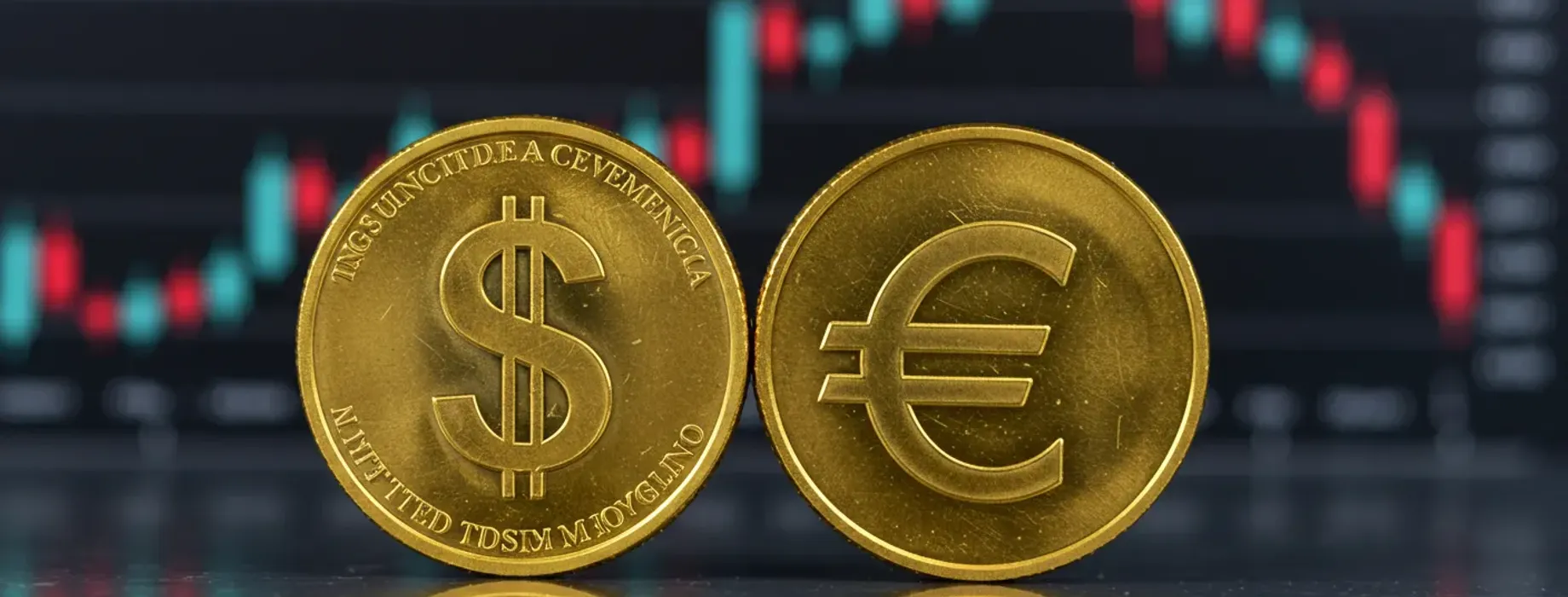
The EUR/USD currency pair is one of the most traded instruments on the global market. It reflects the value of the euro against the US dollar and attracts both beginners and experienced traders due to its liquidity and predictable patterns.

Alina OUKdüşüş eğilimi
GBPJPY: How the British Pound and Japanese Yen Pair Moves and How to Trade It
The GBP/JPY currency pair reflects the value of the British Pound against the Japanese Yen. Known for its volatility, it attracts both day traders and long-term investors. Due to contrasting economic styles -- one from the UK, a Western financial hub, and the other from Japan, a low-interest-rate economy -- GBP/JPY offers rich trading dynamics.

Alina OUKdüşüş eğilimi
JODCNY: Key Insights Before You Start Trading the Jordanian Dinar Against the Chinese Yuan
The JOD/CNY currency pair represents the exchange rate between the Jordanian Dinar and the Chinese Yuan. It's a relatively stable pair influenced by regional monetary policy and trade agreements. For traders, this combination of a strong pegged currency and an emerging economy creates a unique space for calculated short-term positions.

Alina OUKdüşüş eğilimi
OMR/CNY: What It Is and How to Start Trading This Forex Pair
Trading currency pairs like OMR/CNY doesn't have to be complicated. Whether you're curious about oil-related markets or simply exploring Forex opportunities, this article breaks it down in clear steps. We'll explain what OMR/CNY means, how the quote works, what influences price movement, and how you can start trading it on Pocket Option--even if you're brand new.

Alina OUKdüşüş eğilimi
SAR/CNY -- how this pair works and how to trade it with confidence
SAR/CNY is a currency pair that reflects the value of the Saudi Riyal (SAR) against the Chinese Yuan (CNY). It shows how many yuan are needed to exchange for one Saudi riyal. While this pair isn't as widely followed as majors, it offers a unique view into the economic relationship between China and Saudi Arabia -- both key players in global trade. If you're wondering how to buy SARCNY, this article will walk you through its mechanics, key influences, and practical trading steps.

Aliona OUKdüşüş eğilimi
How to Trade Brent Oil: Complete Beginner's Strategy
This comprehensive overview explains everything you need to know about how to buy Brent Oil. Whether you're taking your first steps in commodity trading or expanding your portfolio, we'll break down essential concepts and practical strategies to help you understand Brent Oil markets and start trading effectively on Pocket Option.