What is Scalping? Ultra Short-Term Moves and Risk
Scalping might be compared to sprinting when it comes to trading. The distance covered is small, and the effort involved in each round is great. There is hardly any room for errors. A scalper opens a position, takes several pips and closes it. Then repeats the process throughout the session numerous times. The question what is scalping trading usually refers to this ultra-short-term approach, where positions may remain open for only seconds or minutes.

Scalping might be compared to sprinting when it comes to trading. The distance covered is small, and the effort involved in each round is great. There is hardly any room for errors. A scalper opens a position, takes several pips and closes it. Then repeats the process throughout the session numerous times. The question what is scalping trading usually refers to this ultra-short-term approach, where positions may remain open for only seconds or minutes.
Scalping: The Lowdown
In practical terms, the scalping meaning is simple: opening trades for seconds or minutes to profit from small price movements. Traders also use the question what is scalp trading referring to the same method of opening and closing positions over very short periods.
The duration of holding a position is very small. While scalpers are very active in their trading activity and make multiple trades, the final outcome does not depend on any single trade. It rather depends on a sum of all profitable and unprofitable trades, including the costs of transactions.
Scalping Compared with Other Trading Techniques
Feature | Scalping | Day Trading | Swing Trading | Position Trading |
|---|---|---|---|---|
Holding Time | Seconds to minutes | Minutes to hours | Days to weeks | Weeks to months |
Trades per Day | From 20 to 100 trades | From 5 to 20 trades | From 1 to 3 trades | 1-2 positions |
Profit Target | Capturing 3-10 pips | 15-50 pips from one trade | For longer positions capturing 50-200 pips | 200+ pips |
Screen Time | Constant | High | Medium | Rare |
Stress Level | Very high | High | Mild | Very low |
Main timeframes | 15 seconds to 5 minutes timeframes | From 15 minutes to 1 hour charts | 1H, 4H and Daily charts | Daily & Weekly timeframes |
Requirements for Successful Scalping from the Part of the Trader
Screen Time and Focus Requirements
Scalping is not an activity you undertake while casually sending emails. It is a task that requires full concentration throughout the trading session. A 1-minute chart focus means that new candlesticks are formed every minute, and the setup might form and disappear in the span of two or three candlesticks.
Speed of Decisions and Execution
The time difference between discovering a setup and performing a trade must be seconds and not minutes. Tick-by-tick price action is very fast. If the trader hesitates, a 5-pip trade turns into a 3-pip loss. This method doesn’t allow this sort of attitude.
Emotional Pressure from Many Small Trades
Thirty trades made in a session means thirty chances for making an emotional mistake. A losing spree of five scalping trades in a row may cause the fear of losing more. Which can turn into an emotional downfall. The pressure is bigger than in any other type of trading.
Situations When Scalping Is Useful and When It Is Not
The concept of scalping makes sense only when the market is liquid, spreads narrow, you can devote time to watching the screen, and your psyche matches rapid decision-making in stressful situations. Conversely, scalping becomes a poor idea when you are easily distracted, the market is thin (in times of holidays and out of working hours), and the execution and spread costs are too high.
The issue of distinguishing between market noise and trend becomes utterly relevant during scalping. Scalping allows traders to rely on micro-structure - the tiny repeatable price patterns hidden in static. If one cannot tell noise from real momentum, scalping would resemble gambling.
How to Use Pocket Option for Scalping
When you decide to use Pocket Option for scalping, there are three steps that you are advised to use to prepare the chart - set the right period, pick liquid assets, and create a simple chart layout. All this helps to monitor short-term price fluctuations and cut back on unwanted noise in your trading room.
Learn to scalp for free
Get StartedThe Importance of Choosing Suitable Timeframes
The choice of timeframe is critical for scalping. Most scalping traders use 1-minute and 5-minute candlestick charts. The first chart provides necessary detail for ultra-short trades while the second one eliminates part of noise while still allowing entry at the moment of increase in momentum.
Pocket Option Quick Trading goes even further than that. The trades start from 3-second, expanding the scalping opportunities.
Select the Most Liquid Assets with Narrow Spreads
Select pairs with relative narrow spreads and sufficient liquidity, such as major currency pairs (EUR/USD, GBP/USD), gold, or liquid CFD indices. Minor currency pairs and thinly traded assets may reduce returns through wider costs and less predictable execution.
Saving a Simple Scalping Layout on the Platform
Make sure your chart is simple: one to two indicators, clean candlesticks, and visible info about the fees. Cluttered charts hinder quick decision-making. A clean workspace is not just an aesthetic preference in scalping, it is an absolute necessity if you want to perform well.
Basic Components of a Simple Scalping Strategy
Clear Entry Rules Based on Price Action or Indicators
Clearly define what makes you enter a trade. Examples are bouncing off VWAP on the 1-minute chart, crossover of moving averages on the 5-minute chart, or the RSI going back above 30. The exact rule matters less than the fact that you have it. A scalping strategy without a clear rule on what entry to make is not a strategy, it is mere clicking.
Fixed Exit Rules for Wins and Losses
Make sure you set the take profit and stop loss before every trade. You need to have a tighter stop mentality, meaning that your stop should typically be between 5 and 10 pips, while your profit is in the 5-15 pips range. If the trade doesn’t get favorable quickly, exit the position. Scalping does not reward patience within the trade, but patience between trades.
Limits on How Many Trades You Take
Set your daily limit the number of trades per day, e.g., 20 trades, 30 trades, etc. You should also set the daily loss limit. After either limit is reached, close the trading platform and stop for the day.
Managing Risk in Ultra Short-Term Trading
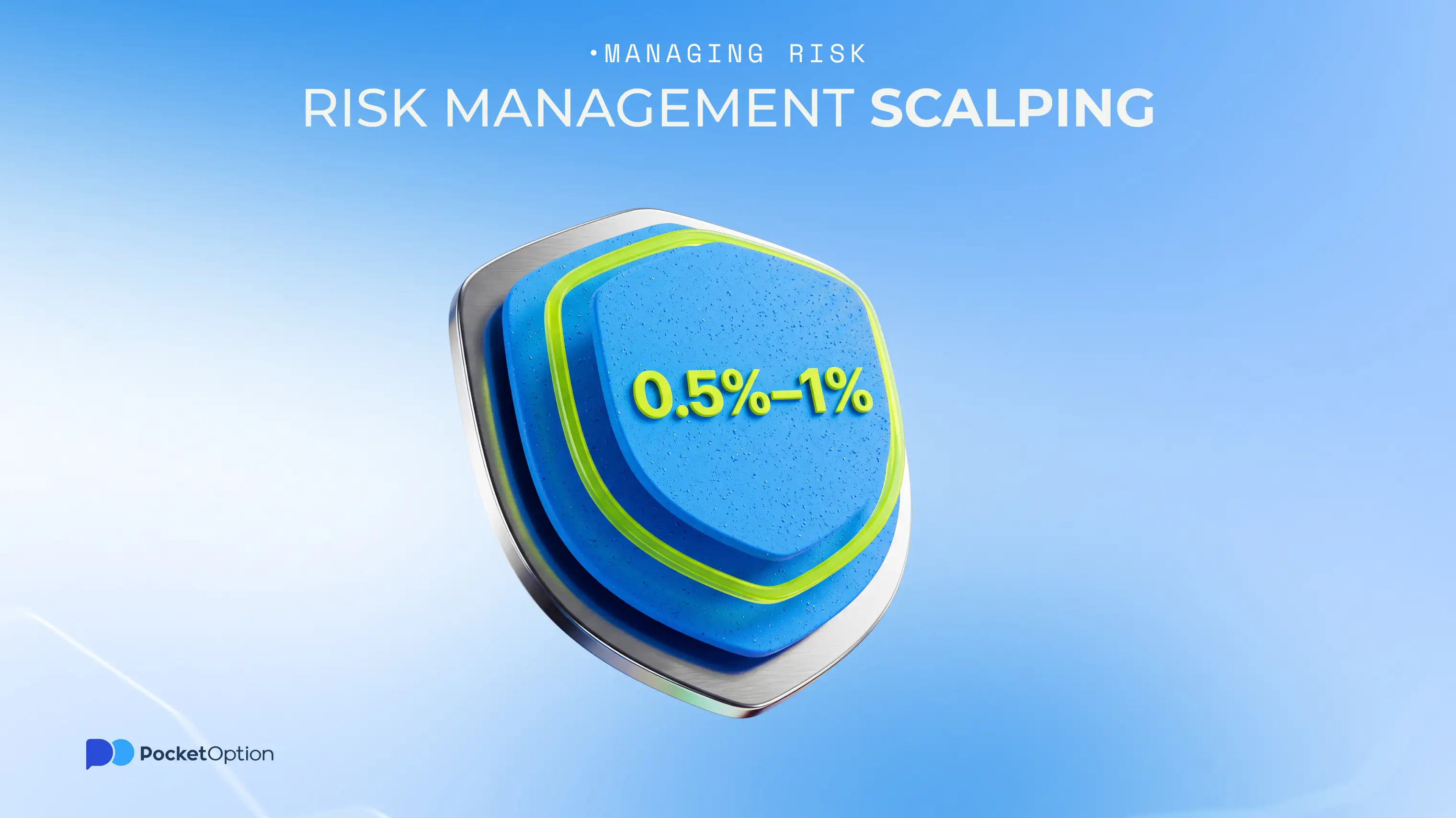
No more than 0.5%-1% of your total capital should be exposed to a single scalping trade. The rationale is clear: if you are taking 30 trades in one day with a risk of 1% for each, you can suffer serious drawdowns in no time. Smaller lots allow you to be able to take losses because losers are a characteristic of scalping trading.
When you calculate your edge, take into consideration the spread as well as execution fees. A trading strategy that aims at 8 pips profit per single trade is really a 6-pips strategy because the cost of transaction is 2 pips. If your average profit is 6 pips and your average loss is also 6 pips, you will need a win rate above 50% to break even after costs.
Indicators and Tools Often Used in Scalping
5 and 20 EMA moving averages are used for a direction in micro-trend trading on 1 minute charts.
9-period RSI is used for overbought/oversold signals for scalping purposes.
Bollinger Bands are used for volatility compression/expansion signals
VWAP is utilized for index and equity products as a dynamic support/resistance level
Stochastic is employed for signals for momentum crossover during range trading conditions.
The number of indicators should be limited to one for direction and one for timing. Too many indicators on the chart creates more noise, which is exactly what scalping cannot afford.
Practicing Scalping on the Pocket Option Demo Account
A demo account allows you to see if you are suited to scalping before the market finds out for you. For at least two weeks, trade your plan while keeping a record of all your entries, exits, and emotional states involved. The information will show if your scalping trading strategies generate a positive expectancy and if you can maintain the necessary concentration during scalping.
with Pocket Option paper trading
Try Demo AccountCommon Scalping Mistakes on Pocket Option
Revenge trading after a bad losing streak is the worst thing that can happen in the world of scalping. After three losing trades, the mind is in a state not conducive to wise decisions.
Overlooking trading costs - a strategy that seems to be profitable on paper can turn out to be detrimental when trading costs are considered.
Trading during illiquid times - if the spreads widen and price moves erratically, the effective scalping opportunity becomes unprofitable.
Overcomplicating the chart - five indicators on a 1-minute chart is called confusion, not analysis.
Ignoring daily loss limit - it is the quickest way to turn a bad day into a day of keener losses.
Moving from Demo Scalping to Real Money Carefully
When your demo account is profitable after a minimum of 100 trades, it is time to start trading live with the smallest possible position size. Transitioning from demo trading to actual trading is psychologically meaningful. Emotions previously absent in demo trading enter into real trading almost immediately. This means traders have to keep in mind that the first month of live trading should not be treated as a demonstration of performance but rather as a test.
Disclaimer
Financial markets are volatile and prices can move against you quickly. Past performance is not indicative of future results. Only trade with what you can afford to lose. The information here reflects general market education and not personalised advice. Any trading decisions you make are your own responsibility. Consider consulting a licensed financial professional if you are unsure.
Xem thêm:InterestingTrading Strategies