
How to Win Every Trade in Pocket Option: Effective Trading Methods
Improve your trading success: proven techniques to boost profitability and consistency.

How to Win Every Trade in Pocket Option
Trading on Pocket Option is a process that requires strategy, discipline, and proper risk management. Many traders seek ways to How to Win Every Trade in Pocket Option, but it is important to understand that no method guarantees 100% success. However, using proven strategies and platform tools can significantly increase the likelihood of profitable trades.
The Reality of Trading: Is It Possible to Win Every Trade?
Despite traders' desire to find foolproof methods, financial markets are influenced by numerous factors. Economic news, global events, and speculative actions by major players can significantly change price direction. However, Pocket Option provides traders with tools that help analyze the market and increase the probability of successful trades.
A comprehensive approach is essential, including the use of technical analysis, capital management strategies, and discipline. Their proper combination can lead to stable results.
Key Factors for Successful Trading
| Success Factor | Description |
|---|---|
| Strategy Application | Using proven trading methods. |
| Technical Analysis | Working with indicators and chart patterns. |
| Discipline | Strict adherence to risk management rules. |
| Education | Improving skills and adapting to the market. |
| Emotional Control | Eliminating impulsive decisions. |
Choosing an Effective Strategy
To achieve stable results, a trader must determine a strategy in advance and strictly follow it. Pocket Option supports the use of various trading methods based on market analysis. They help traders implement the How to Win Every Trade in Pocket Option approach, ensuring the most favorable conditions for trade execution.
One of the most popular strategies is trend trading. It involves analyzing price movement and opening trades in the direction of the dominant trend. This reduces the likelihood of errors, as trends are more likely to continue than reverse.
Another important method is trading from support and resistance levels. These levels are formed based on historical data and indicate key points where price may change direction.
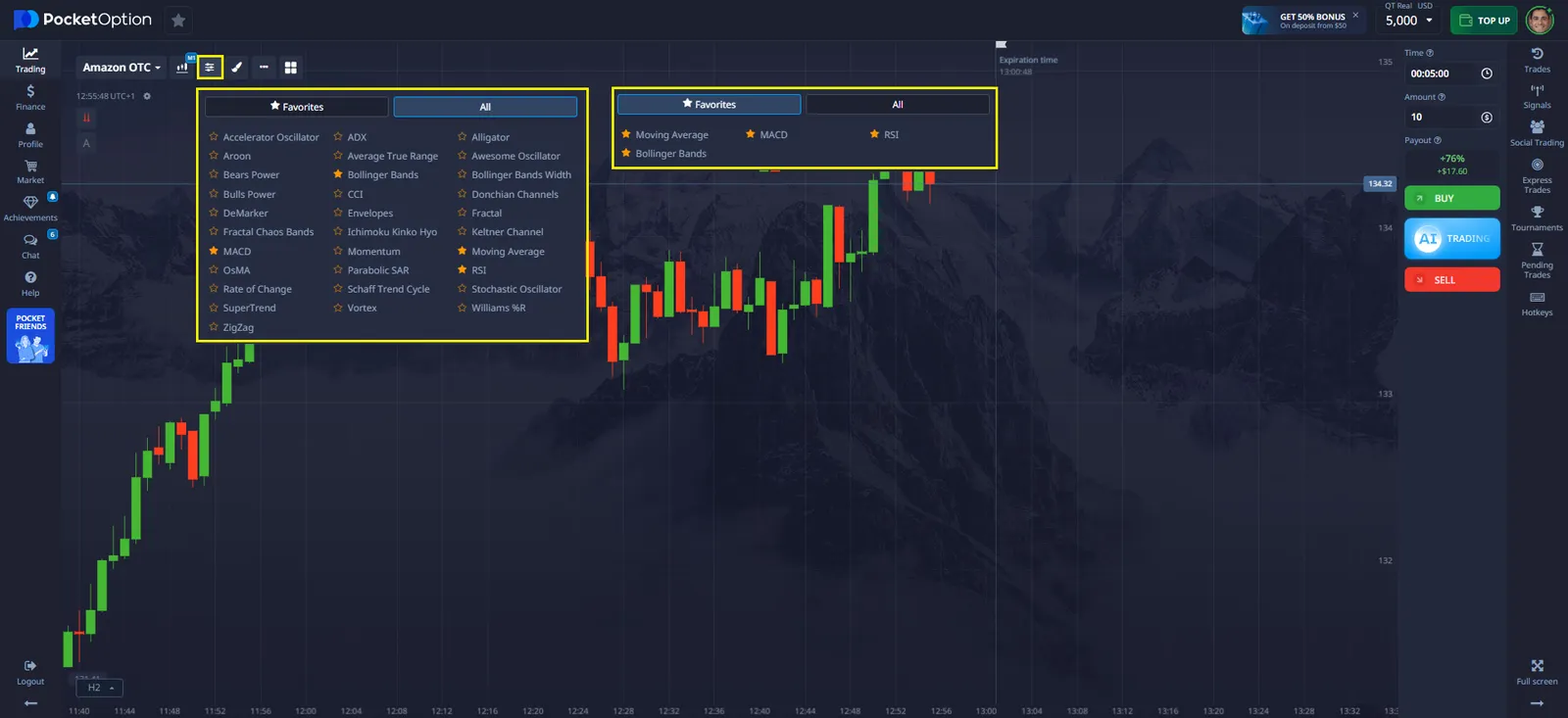
Some traders use technical indicators, such as RSI, Bollinger Bands, and moving averages. These tools help identify possible market entry points and trade closure moments.
The Importance of Risk Management
Even the most accurate strategy does not eliminate the possibility of losses, so proper capital management is the foundation of long-term success. The main risk management principles include:
- Limiting risk per trade. Traders recommend not risking more than 1-3% of the deposit to avoid significant losses.
- Using stop-loss orders. Predetermining a loss limit allows controlling potential losses and protecting capital.
- Asset diversification. Opening trades in various assets reduces dependence on a single instrument.
Using Pocket Option Tools
The platform provides traders with several features that enhance efficiency.
One of the key tools is the demo account. It allows traders to test strategies without financial risk, which is especially important for beginners.
Educational resources include webinars, articles, and analytical reviews. These materials help expand market knowledge and improve trading skills.
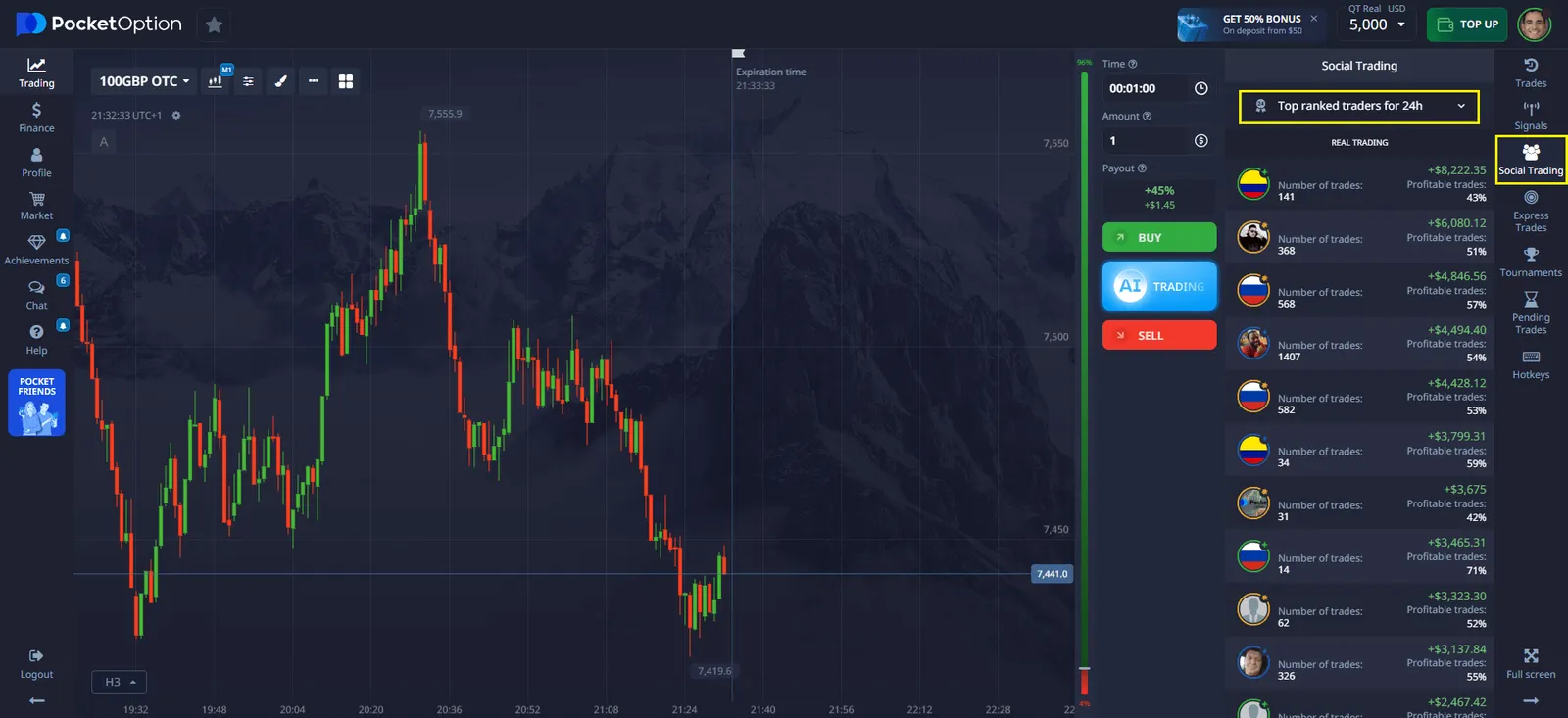
Additionally, Pocket Option offers the ability to copy trades from successful traders. This tool is useful for those who want to study professional strategies and apply them in their trading.
Emotional Control and Trading Psychology
Emotions often lead to trading failures. Poor decisions based on fear or greed can result in losses. To avoid mistakes, follow these principles:
- Stick to your trading plan and do not deviate from the strategy.
- Avoid impulsive trades, especially after a series of losses.
- Analyze completed trades to identify mistakes and improve skills.
Analyzing Results and Adjusting Strategies
Regular trading analysis allows traders to identify the strengths and weaknesses of their strategies. One effective method is keeping a trading journal, where all trades, their reasons, and results are recorded.
It is also important to adapt to changing market conditions. A strategy that worked in the past may lose its effectiveness, so traders must constantly develop and adjust their methods.