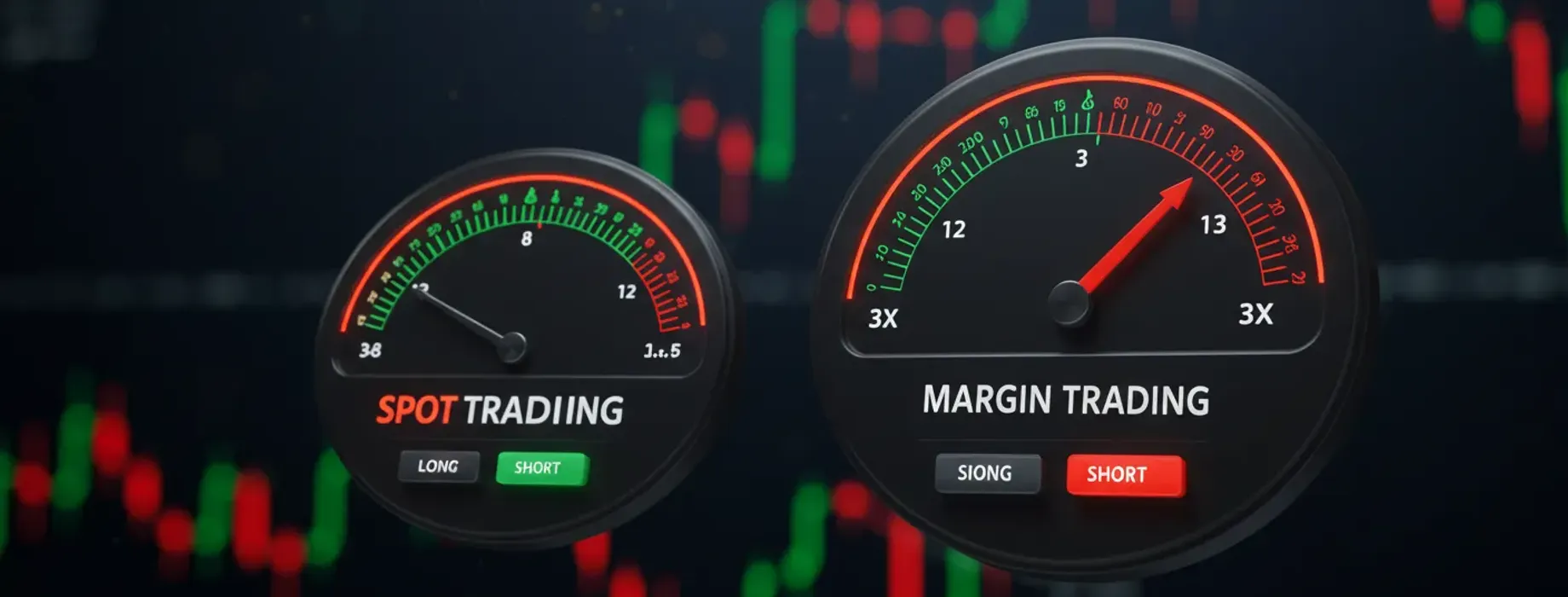
Crypto Margin Trading Analysis
In today's digital financial landscape, understanding the mathematical foundations and analytical approaches of trading is essential. This article explores the comprehensive methodology behind successful trading operations, focusing on data analysis and risk management strategies.
Understanding the Fundamentals
The world of crypto margin trading has evolved into a sophisticated ecosystem where mathematical analysis and data-driven decision-making play crucial roles. Understanding the analytical framework behind these operations can significantly enhance trading outcomes.
Key Metrics for Analysis
| Metric | Formula | Significance |
|---|---|---|
| Leverage Ratio | Total Position Value / Initial Margin | Risk exposure level |
| Liquidation Price | Entry Price ± (Entry Price × Initial Margin %) | Position close threshold |
Core Trading Principles
Bitcoin margin trading requires careful consideration of multiple variables. Leading margin trading crypto exchanges provide tools for advanced analysis, but understanding the underlying mathematics is essential.
Risk Assessment Parameters
- Position sizing calculations
- Volatility metrics
- Correlation coefficients
- Maximum drawdown potential
| Risk Level | Recommended Leverage | Required Margin |
|---|---|---|
| Conservative | 2x-3x | 33-50% |
| Moderate | 5x-10x | 10-20% |
Data Analysis Framework
Successful crypto margin trading depends on robust data analysis. Crypto margin trading exchanges provide extensive data feeds that require systematic processing.
- Time series analysis
- Statistical arbitrage opportunities
- Market depth evaluation
- Order flow analysis
| Analysis Type | Key Indicators | Application |
|---|---|---|
| Technical | Moving averages, RSI | Entry/exit timing |
| Fundamental | Network metrics | Long-term positioning |
Performance Metrics
| Metric | Calculation Method | Target Range |
|---|---|---|
| Sharpe Ratio | (Rp - Rf) / σp | >1.5 |
| Win Rate | Winning Trades / Total Trades | >55% |
When engaging in margin trading crypto exchanges selection, consider their analytical capabilities and data provision quality.
Conclusion
Mathematical analysis in crypto margin trading requires a combination of statistical knowledge, risk management, and market understanding. Success depends on maintaining disciplined analytical approaches and continuous data monitoring. The implementation of structured analysis frameworks, combined with proper risk assessment, creates a foundation for informed decision-making in the digital asset markets.
Zobacz więcej:cryptoInterestingTrading Strategies