
Futures Trading vs Options: Comparing Two Popular Derivative Instruments
When entering the derivatives market, traders often face a choice between futures trading vs options. Both instruments offer ways to speculate on price movements or hedge existing positions, but they function differently and suit various trading strategies and risk profiles.

Understanding the Basics
Futures contracts are agreements to buy or sell an asset at a predetermined price on a specific future date. Options give the holder the right, but not the obligation, to buy or sell an asset at a set price before expiration. When comparing futures vs options trading, it's essential to understand these fundamental differences.
| Feature | Futures | Options |
|---|---|---|
| Obligation | Must fulfill contract | Right, not obligation |
| Premium | No premium | Buyer pays premium |
| Risk Exposure | Unlimited | Limited for buyers |
Pocket Option: A Beginner-Friendly Platform
For traders who are starting their journey into the world of derivatives, Pocket Option provides an easy entry point. Unlike futures or options, where you need to buy or sell an asset, with Pocket Option, you only need to make a forecast about whether the price will go up or down. If your forecast is correct, you can earn up to 92% profit on your investment.
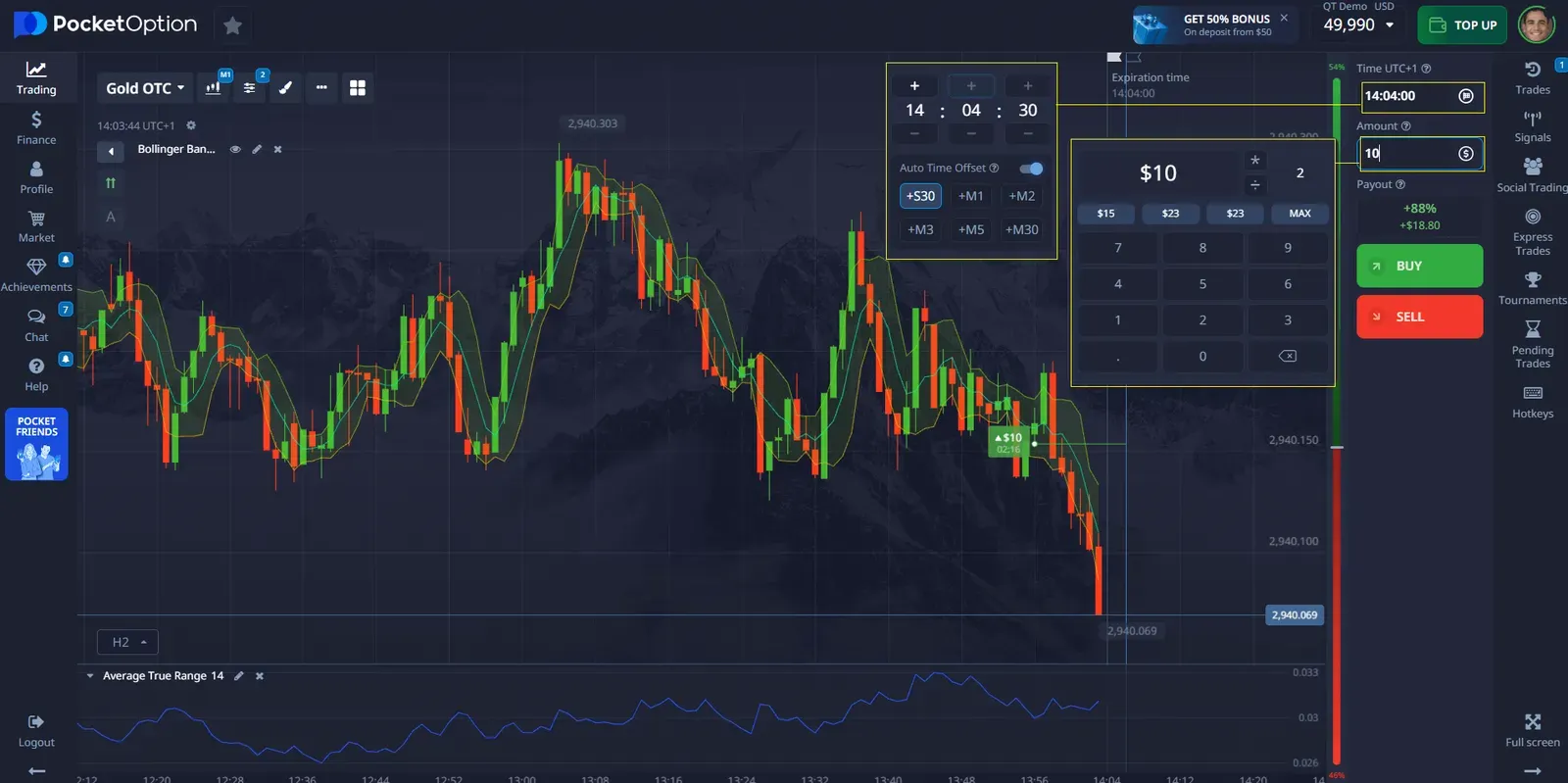
Here’s what the platform offers:
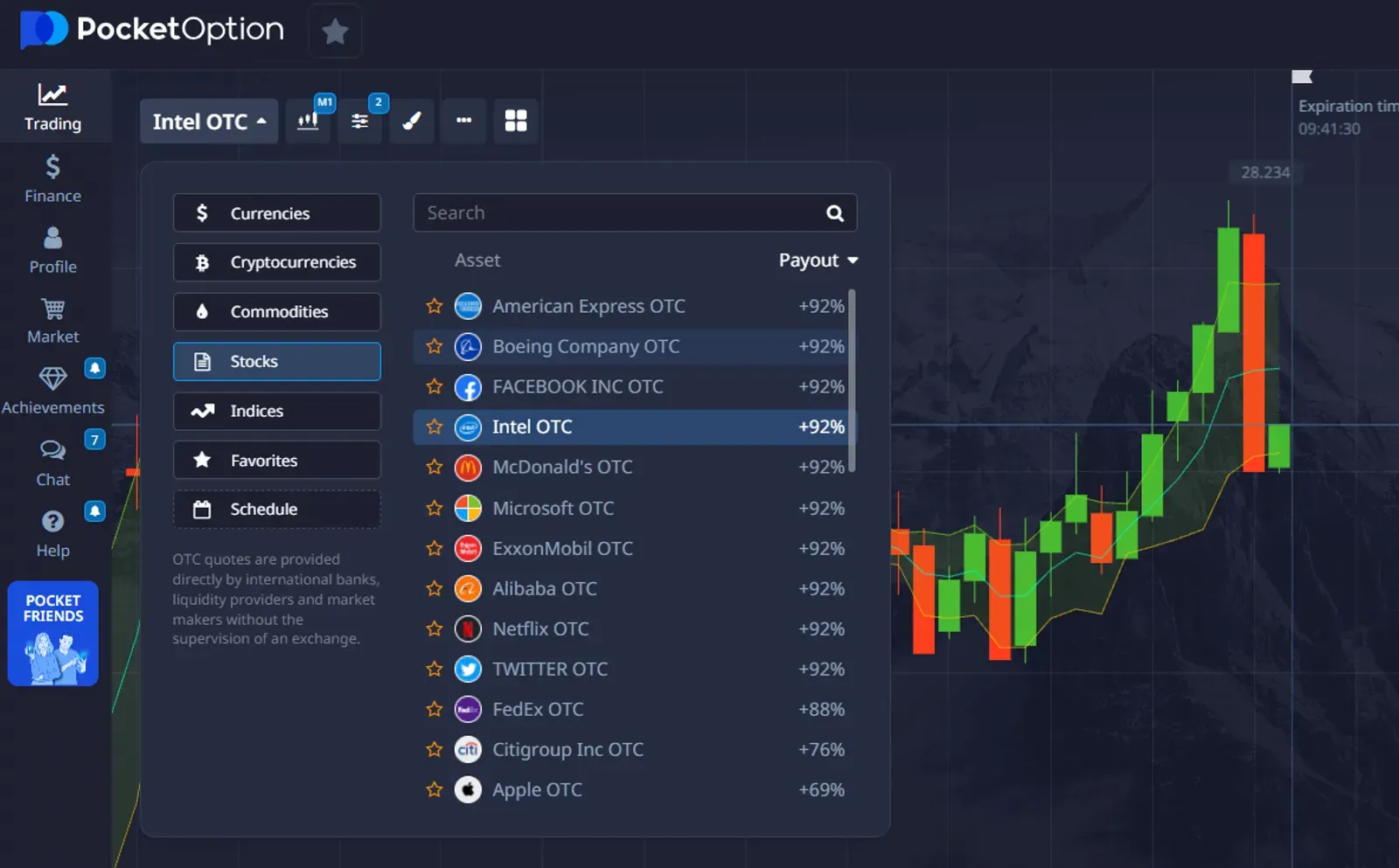
- 100+ assets for trading, including stocks, indices, cryptocurrencies, commodities, and currency pairs.
- The ability to diversify your portfolio and choose assets that suit your trading strategy.
- A demo account with $50,000 in virtual funds for beginners to practice and hone their skills without risking real money.
- When making your first deposit, you can use the promo code "50START" to get a 50% bonus on the deposit amount, giving you more capital to start trading.
Capital Requirements
When examining trading options vs futures, capital requirements differ significantly. Futures typically require margin deposits ranging from 5-15% of the contract value. Options buyers pay upfront premiums, which can be lower than futures margins.
| Aspect | Futures | Options |
|---|---|---|
| Initial Investment | Margin (5-15%) | Premium payment |
| Leverage | Higher | Variable |
| Maintenance | Daily settlement | No maintenance |
Many traders start with platforms like Pocket Option before advancing to more complex futures trading strategies, as options offer more controlled risk exposure for beginners.
Risk and Reward Profiles
Options vs futures trading presents different risk-reward scenarios. Futures positions have symmetrical profit and loss potential, while options create asymmetrical opportunities.
- Futures traders face unlimited risk and reward potential
- Options buyers have limited risk (premium paid) and unlimited potential gains
- Options sellers face limited gains (premium received) but potentially substantial losses
| Risk Profile | Futures | Options |
|---|---|---|
| Maximum Loss (Buyer) | Unlimited | Limited to premium |
| Maximum Gain (Buyer) | Unlimited | Unlimited (minus premium) |
| Daily Settlement | Yes | No |
Market Liquidity Considerations
Is trading futures easier than options? One factor to consider is liquidity. Futures markets often have deeper liquidity, especially in major commodity and financial contracts, resulting in tighter bid-ask spreads.
- Futures typically have better liquidity in major markets
- Options liquidity varies by strike price and expiration
- Less liquid options contracts face wider spreads
| Liquidity Factor | Futures | Options |
|---|---|---|
| Contract Standardization | High | Varies by strike/expiry |
| Bid-Ask Spreads | Generally tighter | Often wider |
| Market Participants | More institutional | Mix of retail/institutional |
Strategic Applications
Futures trading vs options requires different strategic approaches. Futures work well for directional bets and hedging, while options excel at complex strategies and risk management.
- Futures are effective for trend following and hedging
- Options allow for spreads, straddles, and other multi-leg strategies
- Futures require more active management of positions
| Strategy | Futures Suitability | Options Suitability |
|---|---|---|
| Directional Trading | High | Medium |
| Hedging | High | High |
| Income Generation | Low | High |
Conclusion
When comparing futures vs options trading, neither instrument is universally better. The choice depends on your capital, risk tolerance, and trading objectives. Futures offer simplicity and liquidity but require active management of potentially unlimited risk. Options provide flexibility and defined risk parameters but come with premiums and complexity. Many successful traders use both instruments for different market conditions and objectives. For those seeking a more accessible and straightforward approach to forecasting, Pocket Option offers an ideal platform with lower barriers to entry and the potential for high returns.
ดูเพิ่มเติม:strategyleverageInterestingReviews