Presidents’ Day
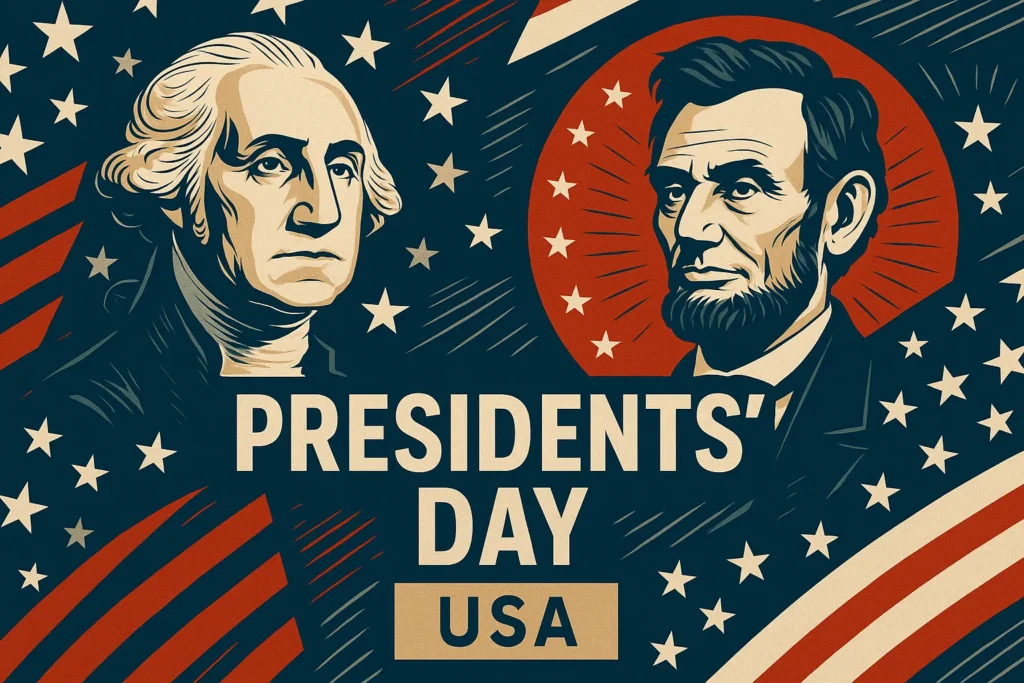
Presidents’ Day is a federal holiday in the United States celebrated on the third Monday of February that honors American presidents, particularly George Washington and Abraham Lincoln.
This annual holiday was established in 1879 as Washington’s Birthday and was later shifted to its current date format by the Uniform Monday Holiday Act of 1971.
Market Impact
Presidents’ Day significantly impacts financial markets as all major U.S. stock exchanges including the New York Stock Exchange (NYSE) and NASDAQ remain closed for the day. The U.S. bond market, most banks, and federal offices are also closed, while foreign markets continue regular operations. Forex markets remain open but typically experience reduced liquidity, and futures markets operate on modified schedules.
Participation
While Presidents’ Day has no single location, Americans across the country observe it through various commemorative events, museum exhibits, and educational programs. Many historical sites associated with presidents, such as Mount Vernon (Washington’s home) and the Lincoln Memorial, hold special events that visitors can attend. Additionally, the holiday has become known for retail sales promotions throughout the country.
Trading Significance
Traders and investors involved with U.S. markets should mark this holiday on their calendars as it creates a trading gap and can affect position management. International traders dealing with U.S. assets, forex traders anticipating lower USD liquidity, and derivatives traders facing modified expiration schedules need to prepare accordingly. The shortened trading week can occasionally create volatility in the sessions immediately before and after the holiday.